









What's Happening?
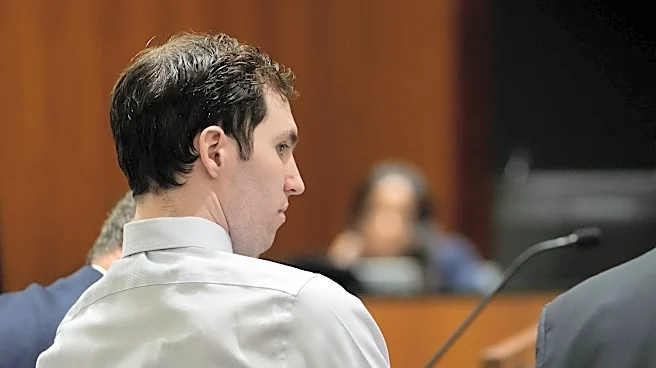
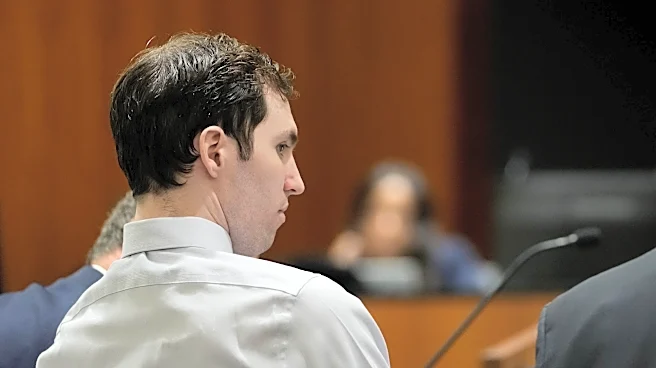
Felicia Beckwith, known as the mother of musician Jelly Roll's child, has pleaded guilty to a lesser charge of drug possession. Originally arrested in March 2025 during a traffic stop in Tennessee, Beckwith faced multiple charges including the manufacture,
delivery, sale, and possession of methamphetamine, as well as other drug-related offenses. During the arrest, authorities discovered 52 grams of methamphetamine, 12 grams of a substance believed to be fentanyl, and various pills. Beckwith was found with a bag containing some of these drugs. Following the arrest, a search of a co-defendant's home revealed additional drugs and firearms. Beckwith has now pleaded guilty to possessing less than 0.5 grams of fentanyl, resulting in the dismissal of other charges. She has been sentenced to three years of supervised probation.
Why It's Important?
This case highlights ongoing issues related to drug offenses and the legal system's handling of such cases. The reduction of charges and the imposition of probation instead of incarceration reflect a broader trend in the judicial system towards alternative sentencing for non-violent drug offenses. This approach aims to reduce prison populations and focus on rehabilitation. The case also underscores the challenges faced by individuals with public profiles, as their legal issues often attract significant media attention, potentially impacting their personal and professional lives. For the public, it serves as a reminder of the pervasive nature of drug-related issues in society and the complexities involved in addressing them through the legal system.
What's Next?
Felicia Beckwith will now serve a three-year term of supervised probation, during which she will need to comply with specific conditions set by the court. Failure to adhere to these conditions could result in further legal consequences, including potential incarceration. The case may also prompt discussions on the effectiveness of probation as a tool for rehabilitation and its role in reducing recidivism among drug offenders. Additionally, the outcome of this case could influence public opinion and policy discussions regarding drug laws and sentencing practices.