








What's Happening?
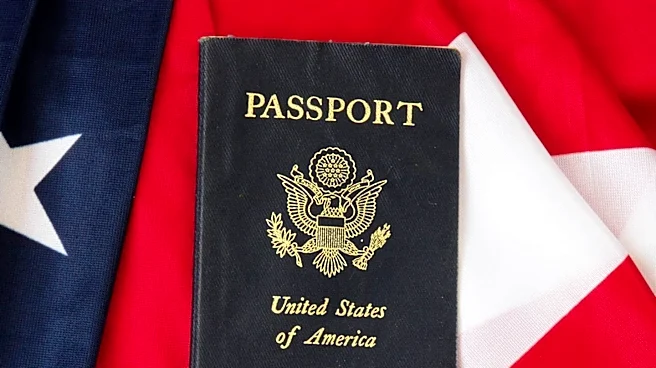
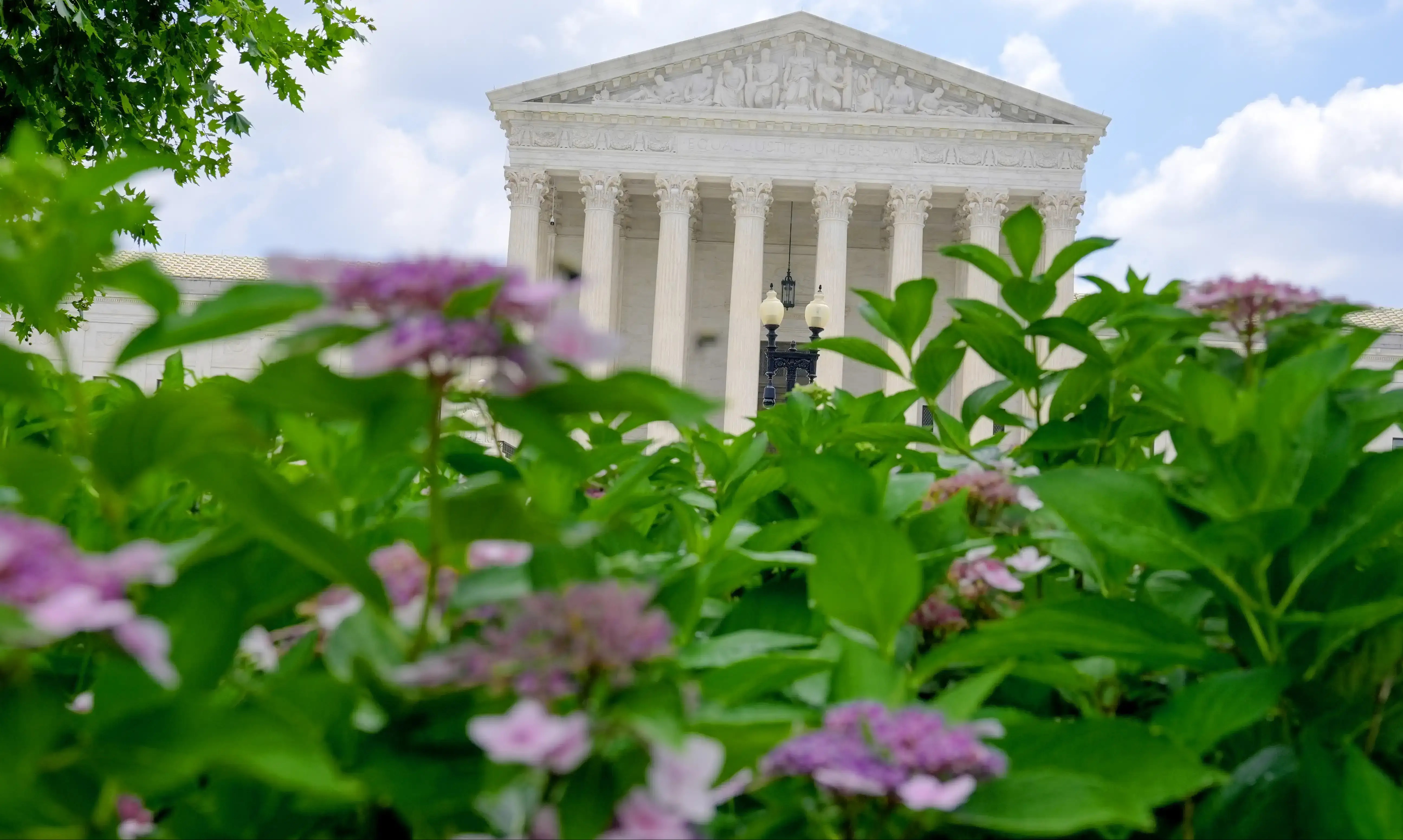
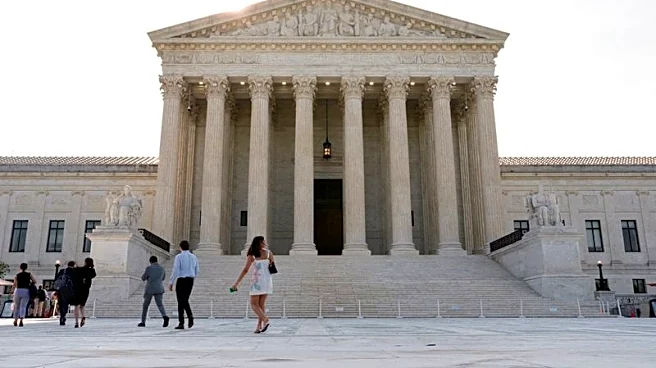
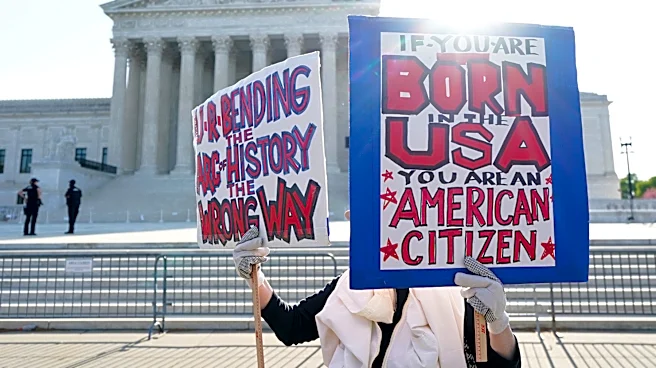
President Trump's executive order aimed at ending birthright citizenship was rejected by the Supreme Court in a 6-3 decision. The order sought to deny citizenship to children born in the U.S. to non-citizen parents, challenging the 14th Amendment's guarantee
of citizenship to all born on U.S. soil. Despite the rejection, the case gained significant attention and support from 25 states and several members of Congress. The decision reaffirmed the longstanding interpretation of the 14th Amendment, which ensures citizenship regardless of parental immigration status. The ruling was seen as a significant setback for Trump's anti-immigration agenda, although it sparked discussions on potential legislative changes.
Why It's Important?
The Supreme Court's decision underscores the enduring strength of the 14th Amendment's citizenship clause, which has been a cornerstone of American civil rights. The ruling prevents immediate changes to citizenship laws that could have affected thousands of children born in the U.S. The case highlights the ongoing debate over immigration policy and the balance of power between the executive branch and the judiciary. While the decision is a setback for President Trump's agenda, it also opens the door for future legislative efforts to address immigration and citizenship issues, potentially impacting millions of individuals and shaping U.S. immigration policy for years to come.
What's Next?
Following the Supreme Court's decision, President Trump and his allies may pursue legislative avenues to achieve similar goals. Justice Brett Kavanaugh's opinion suggested that Congress could enact new laws to modify birthright citizenship, which could lead to future legislative battles. The decision may also influence upcoming elections, as immigration remains a contentious issue among voters. Advocacy groups on both sides of the debate are likely to intensify their efforts, either to protect the current interpretation of the 14th Amendment or to push for changes through Congress.
Beyond the Headlines
The case has broader implications for the interpretation of the 14th Amendment and the role of the judiciary in checking executive power. It also raises questions about the potential for legislative changes to fundamental constitutional rights. The decision may influence public opinion on immigration and citizenship, potentially affecting future policy debates and legal challenges. Additionally, the ruling could impact international perceptions of U.S. immigration policy and its commitment to human rights and equality.