




What's Happening?
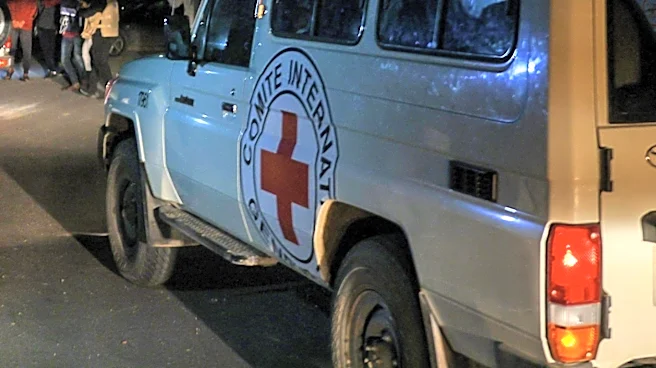
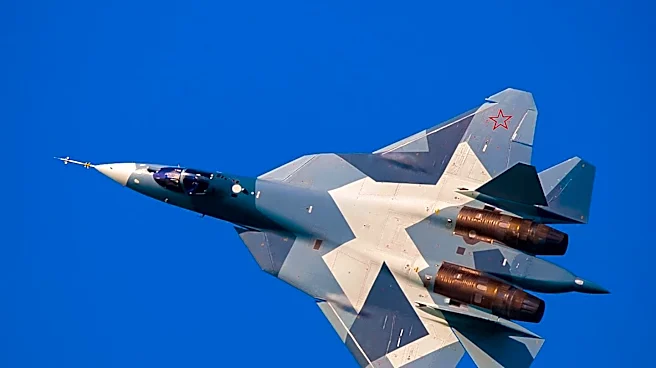
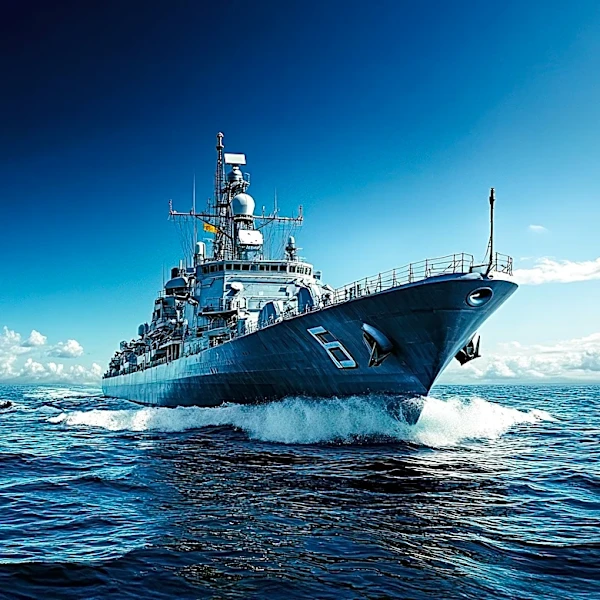
The International Committee of the Red Cross (ICRC) is advocating for the establishment of legally binding international rules to prohibit the most concerning autonomous weapons systems and to impose strict restrictions on other types of such weapons.
This call was made by Assem Elessawy, Deputy Head of the ICRC Regional Delegation in Russia and Belarus, during a working session at the 4th Minsk International Conference on Eurasian Security on November 3. The ICRC emphasizes a humanitarian perspective, focusing on the consequences of weapon use for both civilians and combatants, rather than military balance or national security strategies. The organization highlights that international humanitarian law dictates limits to violence even in warfare and that weakening an adversary's military capabilities does not necessitate killing the opposing side. The ICRC also notes that the effects of weapons often extend beyond the battlefield, causing widespread destruction and damage to infrastructure.
Why It's Important?
The ICRC's push for international regulations on autonomous weapons systems is crucial due to the transformative impact of artificial intelligence on warfare. While these technologies could potentially enhance the protection of civilians and combatants, the ICRC warns against their unrestricted use, stressing that human judgment remains vital in complex and rapidly changing conflict situations. The organization argues that responsibility for adhering to international humanitarian law cannot be delegated to machines, as mistakes can have irreversible consequences. This initiative underscores the growing concern that technological advancements in weaponry could outpace ethical and legal frameworks, potentially leading to increased civilian casualties and a disregard for established laws of war. The call for arms control and disarmament is presented as essential for protecting human life and dignity, with the ICRC citing past conventions on chemical weapons and anti-personnel mines as precedents for effective international agreements.
What's Next?
The ICRC's advocacy will likely continue to be a central theme in international discussions on the future of warfare and the regulation of emerging technologies. The organization will persist in engaging with states and international bodies to develop and implement these legally binding rules. Future conferences and diplomatic efforts will likely focus on drafting specific prohibitions and restrictions, as well as establishing mechanisms for their enforcement. The ICRC's emphasis on maintaining dialogue and building trust, even during difficult political periods, suggests a long-term commitment to this issue. The success of these efforts will depend on the political will of individual states to prioritize humanitarian concerns over military advantages and to agree on common rules for the development and deployment of autonomous weapons systems.
Beyond the Headlines
The debate surrounding autonomous weapons systems extends beyond immediate battlefield concerns to profound ethical and legal questions about accountability and the nature of warfare itself. If machines are granted the power to make life-or-death decisions, it raises complex issues regarding who is responsible for errors or violations of international law. This development could fundamentally alter the moral landscape of conflict, potentially dehumanizing warfare and reducing the threshold for engagement. The ICRC's stance highlights a broader societal challenge: ensuring that technological progress serves humanity and enhances protection, rather than leading to greater military effectiveness at the expense of human dignity. The long-term implications could include a redefinition of combatant status, the erosion of human control in critical decision-making, and a heightened risk of unintended escalation in conflicts.