
What's Happening?
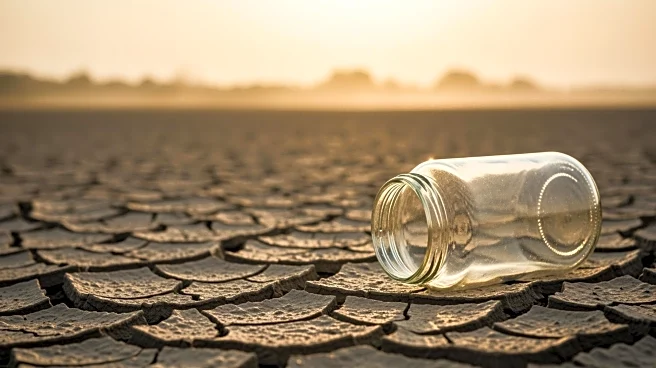
U.N. scientists have issued a report warning that the world is entering an era of 'global water bankruptcy,' where water resources are being depleted beyond recovery. The report highlights that many of the world's
major rivers, lakes, and aquifers are being overused, leading to irreversible declines. This depletion is largely driven by agricultural demands, which account for 70% of global water use. The report notes that more than half of the world's large lakes have shrunk since the 1990s, and about 35% of natural wetlands have been lost since the 1970s. The situation is exacerbated by climate change, which is altering the water cycle and increasing the frequency of droughts and floods.
Why It's Important?
The depletion of water resources has significant implications for global food security, economic stability, and social cohesion. As water resources dwindle, agricultural production is threatened, potentially leading to food shortages and increased prices. The report warns that water scarcity could lead to economic collapse, displacement, and conflict in affected regions. The concept of 'water bankruptcy' underscores the urgent need for sustainable water management practices to prevent further environmental and social crises. The report calls for a transformative approach to water management, emphasizing the need to preserve remaining water resources and adapt to changing conditions.
What's Next?
The report suggests that solutions to the water crisis will vary by region and will require a combination of conservation efforts and technological innovations. Policymakers and stakeholders are urged to prioritize the protection of remaining water resources and to implement strategies that reduce water consumption. The upcoming U.N. water conference in the United Arab Emirates will provide an opportunity for global leaders to discuss these issues and develop coordinated responses to the water crisis. The report emphasizes the need for immediate action to address the growing water deficit and to ensure the sustainability of water resources for future generations.