




What's Happening?
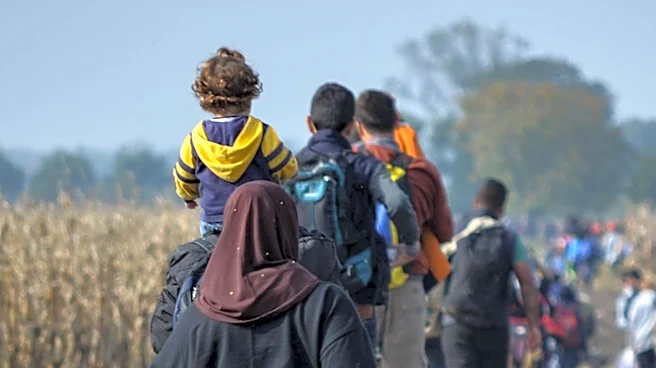
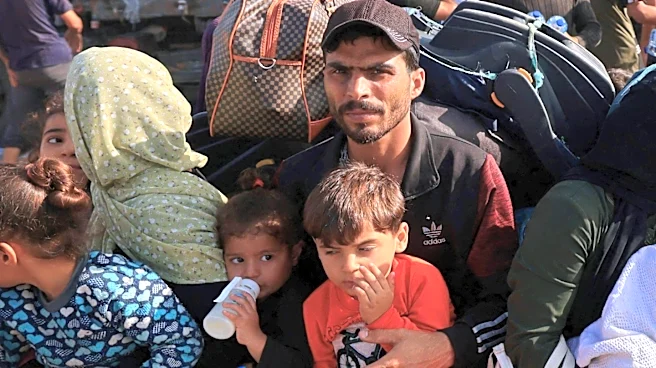
UNHCR Peru is inviting organizations to submit expressions of interest to become implementing partners for its 2027–2029 Multiyear Strategy aimed at supporting forcibly displaced people. This initiative seeks to improve access to rights, essential services,
and sustainable solutions for refugees, asylum-seekers, and other displaced populations across various regions in Peru, including Lima, Madre de Dios, Tumbes, Arequipa, Tacna, Puno, and Ica. The program adopts a comprehensive approach, combining immediate protection assistance with longer-term solutions such as access to education, legal status, documentation, social inclusion, and voluntary return. Key areas of intervention include access to territory and asylum procedures, legal assistance, community-based protection, gender-based violence prevention and response, child protection, education, temporary shelter, case management, cash assistance for high-risk cases, social cohesion, and support for voluntary return. Organizations selected as partners will contribute to activities designed to address the multiple barriers faced by displaced individuals, such as difficulties in obtaining documentation, accessing asylum procedures, enrolling children in school, finding safe accommodation, and accessing specialized protection services.
Why It's Important?
This UNHCR Peru initiative is crucial for addressing the complex challenges faced by forcibly displaced populations, which often include significant human rights violations and a lack of access to basic necessities. By focusing on both immediate humanitarian aid and long-term integration, the program aims to provide stability and dignity to vulnerable individuals. The emphasis on legal assistance and documentation is vital for ensuring displaced people can establish legal security and access their rights within Peru. Furthermore, the inclusion of gender-based violence and child protection services highlights a commitment to safeguarding the most vulnerable segments of the displaced community. The program's multi-faceted approach, encompassing education, shelter, and cash assistance, is designed to foster self-reliance and reduce dependency, ultimately contributing to the social and economic well-being of these populations. The call for local partners underscores the importance of community-based solutions and local knowledge in effectively addressing the specific needs of displaced people in different regions of Peru.
What's Next?
Organizations interested in becoming implementing partners for UNHCR Peru's 2027–2029 Multiyear Strategy must submit their expressions of interest by September 6, 2026. Following the deadline, UNHCR Peru will evaluate the submissions to select qualified organizations that demonstrate relevant operational and technical capacity in areas such as refugee and migrant protection, legal assistance, community-based protection, child protection, gender-based violence prevention and response, education, shelter, case management, social cohesion, cash assistance, community outreach, and durable solutions. The selected partners will then work to implement the various components of the program across the specified regions of Peru. The ongoing efforts will involve identifying protection needs, providing direct assistance, strengthening local protection systems, connecting displaced individuals with government services, and supporting longer-term solutions such as local integration, self-reliance, or safe and voluntary return. The program's success will depend on the effective coordination between UNHCR Peru and its implementing partners, as well as collaboration with government authorities and other humanitarian actors.
Beyond the Headlines
The UNHCR Peru initiative extends beyond immediate aid by addressing the systemic issues that contribute to the vulnerability of displaced populations. The focus on legal status and documentation is critical for preventing statelessness and ensuring that individuals can access fundamental rights, which is often a significant challenge for those forced to flee their homes. By promoting social cohesion and anti-xenophobia initiatives, the program aims to mitigate discrimination and foster a more inclusive environment for displaced people within Peruvian society. The emphasis on education for displaced children not only provides opportunities for personal development but also helps to break cycles of poverty and marginalization. Furthermore, the support for voluntary return, when safe and informed, respects the autonomy of displaced individuals while ensuring their decisions are made under appropriate conditions. This comprehensive strategy reflects a broader understanding of humanitarian assistance, moving beyond temporary relief to address the long-term integration and well-being of displaced communities, thereby contributing to regional stability and human rights protection.