








What's Happening?
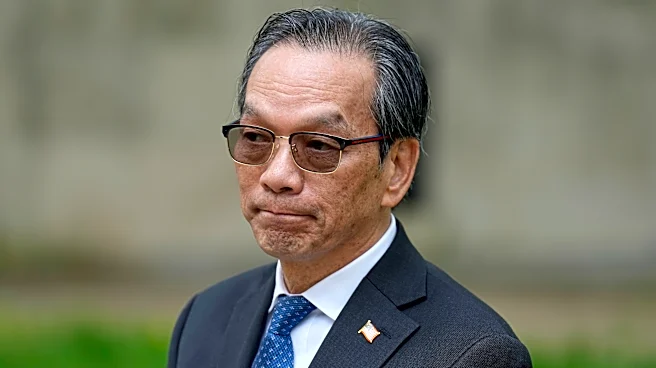
A jury in Brooklyn federal court has convicted Lu Jianwang, a 64-year-old man, of acting as an illegal foreign agent by running a secret Chinese spy outpost in Manhattan's Chinatown. The outpost was allegedly used to monitor and intimidate pro-democracy
dissidents. Lu was also found guilty of obstructing justice by deleting text messages that prosecutors claimed contained orders from Beijing. The trial highlighted U.S. concerns over China's efforts to suppress dissent abroad. Lu's defense argued that his activities were limited to helping Chinese expatriates with bureaucratic tasks, such as renewing driver's licenses. Despite the conviction, Lu remains free on bail pending sentencing, which has not yet been scheduled.
Why It's Important?
This case underscores the ongoing tensions between the U.S. and China regarding espionage and the suppression of dissent. The conviction of Lu Jianwang highlights the U.S. government's efforts to crack down on foreign influence operations within its borders. It also raises concerns about the extent of China's global surveillance and influence activities, particularly in targeting dissidents. The outcome of this trial may influence future U.S. policies and actions against similar operations, potentially affecting diplomatic relations between the two countries. The case also serves as a warning to other individuals or groups engaged in similar activities on behalf of foreign governments.
What's Next?
Lu Jianwang's legal team has announced plans to appeal the conviction, arguing that the charges were exaggerated and misrepresented his activities. The appeal process could further delay sentencing and prolong the legal battle. Meanwhile, U.S. authorities may continue to investigate and monitor other suspected foreign influence operations. The case could also prompt legislative or policy changes aimed at strengthening national security and protecting dissidents from foreign intimidation. Additionally, the Chinese government may respond diplomatically or through other channels, potentially impacting bilateral relations.