



What's Happening?
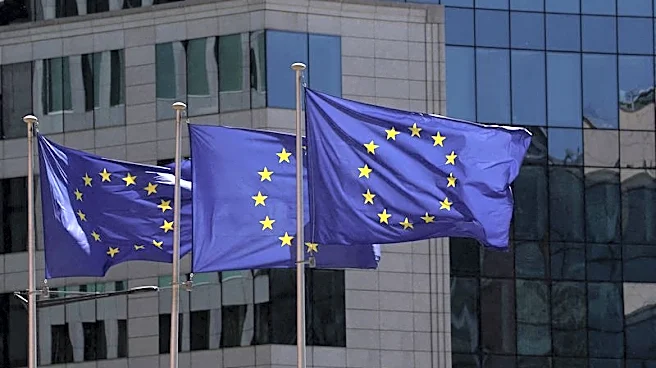
On September 24, the Council of the European Union formally adopted temporary trade-liberalization measures for products originating from Armenia. These measures are designed to support Armenia's economy, which has been impacted by recent trade restrictions
imposed by Russia. The new arrangement will liberalize approximately 80% of Armenian exports to the EU by suspending import duties on a wide array of products, including certain agricultural goods. This temporary preferential treatment is set to be in effect for a period of two years. The decision follows a positive vote in the European Parliament plenary session on the European Commission's proposal without any amendments. The regulation will be signed, published in the Official Journal of the EU, and will enter into force the day after its publication.
Why It's Important?
This move by the EU is significant as it aims to bolster Armenia's economic resilience and strengthen its trade ties with the European Union. By reducing import tariffs, the EU is directly addressing the economic challenges Armenia faces due to Russian trade restrictions, thereby offering a crucial lifeline to Armenian businesses and producers. The measures are aligned with the objectives of the Comprehensive and Enhanced Partnership Agreement (CEPA) between the EU and Armenia, indicating a deeper commitment to their bilateral relationship. Helen McEntee, Minister for Foreign Affairs and Trade of Ireland, emphasized that this decision underscores the EU's support for Armenia's pro-European trajectory amidst external pressures. The preferential arrangement also includes safeguard measures to protect the EU market from any adverse effects on its producers, ensuring a balanced approach to trade liberalization.
What's Next?
The regulation is slated for signing and subsequent publication in the Official Journal of the EU. It will become effective the day after its publication and will remain in force for two years. During this period, Armenian exporters will benefit from reduced or eliminated import duties on a significant portion of their goods entering the EU market. This is expected to lead to an increase in trade flows from Armenia to the EU. The implementation of safeguard measures will be closely monitored to ensure that the increased imports do not negatively impact EU producers. The success of these temporary measures could also pave the way for future discussions on more permanent trade arrangements between the EU and Armenia, further solidifying their economic partnership.
Beyond the Headlines
The EU's decision to implement temporary trade-liberalization measures for Armenia carries broader geopolitical implications. It signals the EU's commitment to supporting countries in its neighborhood that are pursuing closer ties with Europe, especially when they face economic or political pressure from other regional powers. This action can be seen as a strategic move to counter Russia's influence in the South Caucasus region and reinforce Armenia's sovereignty and economic independence. Furthermore, it highlights the EU's role as a significant economic partner and a proponent of free trade, using economic incentives as a tool for foreign policy. The success of this initiative could serve as a model for future EU engagements with other countries facing similar geopolitical challenges, demonstrating the tangible benefits of aligning with European economic policies and values.