







What's Happening?
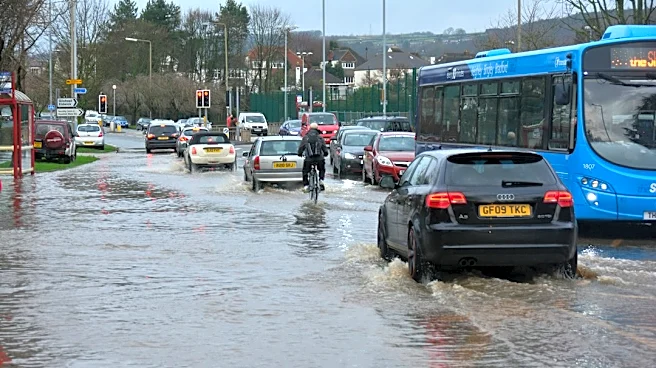
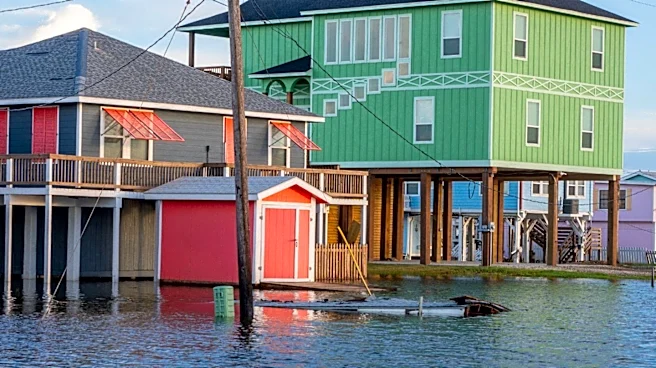
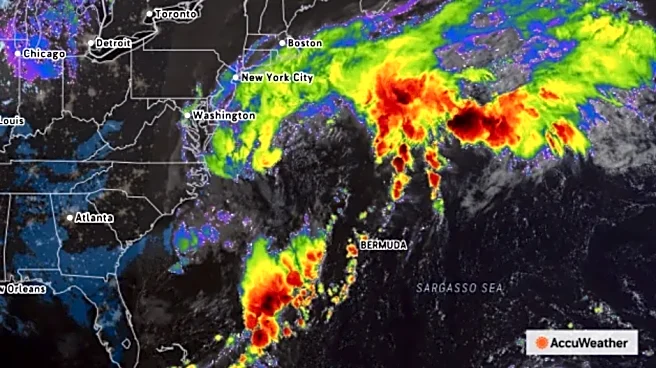
Connecticut is grappling with the aftermath of a nor'easter that brought wind gusts exceeding 50 mph, leading to downed trees, scattered power outages, and coastal flooding. While the most intense winds have subsided, strong gusts are still expected,
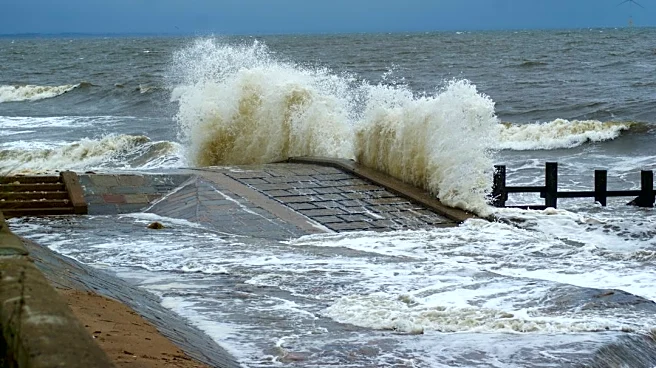
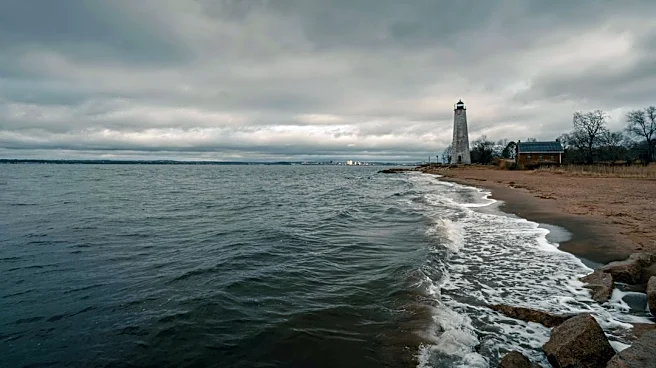
potentially causing further tree damage. Coastal areas remain a significant concern, with a risk of minor to moderate coastal flooding, especially during high tide, which could render low-lying roads impassable. Rainfall totals have reached between 1 to 2 inches in some areas since Friday, with an additional 0.5 to 1 inch anticipated through Monday, posing a low risk of localized flooding. The storm is projected to gradually move away by Monday afternoon, with weather conditions expected to improve significantly by Tuesday, bringing sunshine and milder temperatures in the 70s.
Why It's Important?
The ongoing weather event in Connecticut highlights the vulnerability of infrastructure and communities to severe weather. Widespread power outages disrupt daily life, impacting homes and businesses, and can lead to economic losses. Coastal flooding poses immediate dangers to residents and property, necessitating road closures and potentially causing long-term damage to coastal infrastructure. The need for residents to avoid driving through flooded roadways underscores public safety concerns. The anticipated improvement in weather conditions offers a reprieve, but the immediate impact on transportation, utilities, and public safety is substantial, emphasizing the importance of robust emergency response and infrastructure resilience in the face of increasingly frequent and intense weather phenomena.
What's Next?
As the nor'easter slowly recedes, Connecticut residents can expect a gradual improvement in weather conditions. Leftover showers and breezy conditions will persist through Monday afternoon, but by Tuesday, the forecast indicates plenty of sunshine and milder temperatures in the 70s. Utility crews will likely continue working to restore power to the thousands of residents still affected by outages. Coastal communities will need to remain vigilant regarding high tide cycles and potential flooding. Authorities will continue to monitor road conditions and advise against driving through flooded areas. The focus will shift towards recovery efforts, including clearing downed trees and assessing damage to infrastructure.
Beyond the Headlines
The recurring nature of severe weather events like this nor'easter in Connecticut points to broader discussions around climate resilience and infrastructure investment. The impact on power grids and coastal areas underscores the need for long-term strategies to mitigate the effects of extreme weather, including upgrading electrical infrastructure and implementing coastal protection measures. Beyond the immediate disruption, such events can also influence local economies, insurance markets, and public policy debates concerning climate change adaptation. The experience serves as a reminder of the interconnectedness of environmental factors, public safety, and economic stability, prompting ongoing evaluations of preparedness and response mechanisms.