








What's Happening?
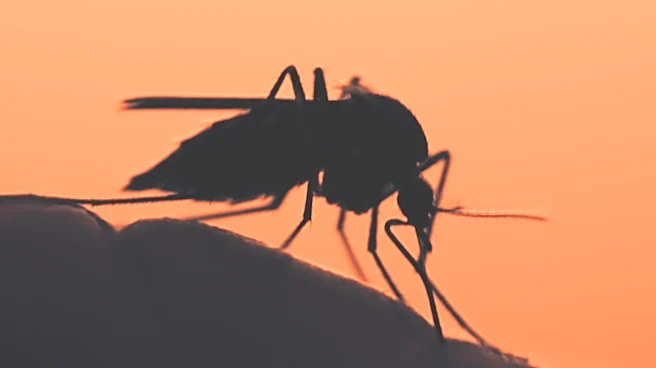
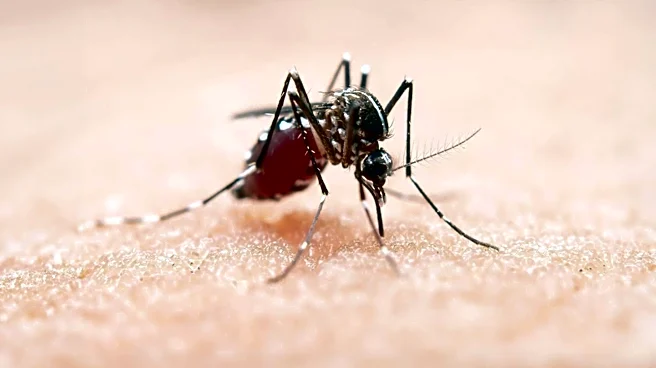
Four cases of the Chikungunya virus were detected in Ticino, Switzerland, in mid-October, prompting the cantonal medical officer, Giorgio Merlani, to advocate for stronger preventive measures against the Asian tiger mosquito. One patient experienced symptoms
in August but was only tested in October after two other positive cases were identified by the same doctor. Two of the affected individuals are related, and the other two live nearby. Fortunately, all four patients are recovering well, with symptoms ranging from rashes to body aches, and none required hospitalization beyond initial tests. Authorities have sprayed insecticide in the affected residential area to kill adult tiger mosquitoes, and no tiger mosquitoes in Ticino have yet tested positive for the virus. Merlani emphasizes that while the immediate risk is low due to winter, Switzerland must prepare for future outbreaks, as the virus is expected to return.
Why It's Important?
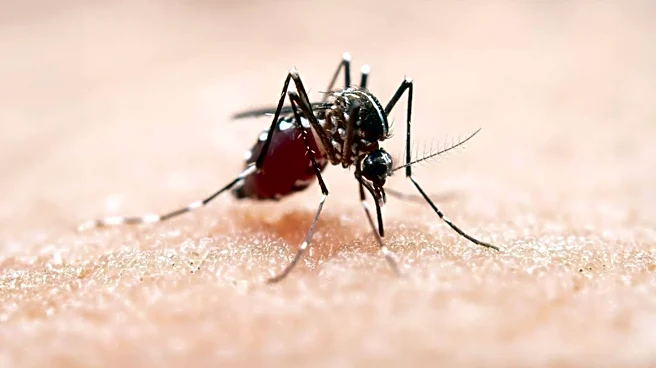
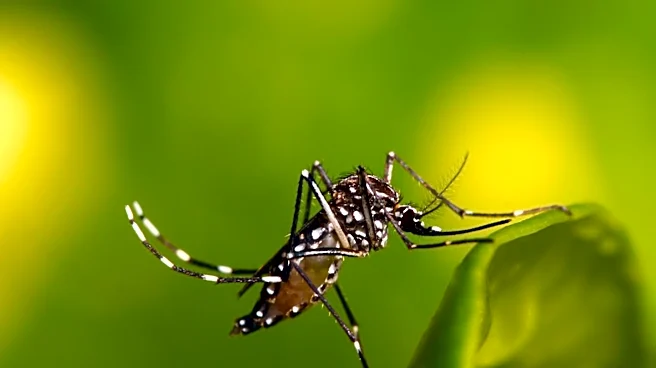
The emergence of Chikungunya cases in Switzerland underscores the growing challenge of vector-borne diseases in regions previously less affected. The Asian tiger mosquito, responsible for transmitting Chikungunya and dengue fever, is expanding its geographical reach, posing new public health threats. This situation highlights the need for robust public health infrastructure and proactive measures, including mosquito control programs and public awareness campaigns, to prevent widespread outbreaks. The potential for these diseases to spread to new areas could strain healthcare systems and impact local economies, particularly those reliant on tourism. The call for federal support for preventive measures indicates a recognition that localized efforts may not be sufficient to combat the broader threat of mosquito-borne illnesses, suggesting a shift towards more coordinated national strategies.
What's Next?
Ticino's health authorities, in collaboration with the University of Applied Sciences and Arts of Southern Switzerland (SUPSI) and the Federal Office of Public Health (FOPH), are already engaged in a surveillance program for the West Nile virus, with SUPSI's Institute of Microbiology serving as a national center of expertise. Merlani suggests that the federal government should support preventive measures against the tiger mosquito, anticipating potential future cases of dengue fever, which he considers more concerning than Chikungunya due to the risks associated with secondary infections. Municipalities are also urged to fulfill their responsibilities in mosquito control, with some already collaborating with SUPSI to release sterile male tiger mosquitoes and control larvae. Travelers returning from areas with Chikungunya cases are advised to cover themselves to prevent mosquito bites and further transmission.
Beyond the Headlines
The spread of the Asian tiger mosquito and the diseases it carries, such as Chikungunya and dengue, represents a significant public health challenge with broader ecological and climate-related implications. As global temperatures rise, the habitats suitable for these mosquitoes are expanding, bringing tropical diseases to temperate regions. This development could lead to long-term shifts in disease patterns and necessitate continuous adaptation of public health strategies. The ethical considerations surrounding widespread insecticide use versus biological control methods, such as sterile insect techniques, will likely become more prominent. Furthermore, the economic impact on healthcare systems and industries like tourism, which could be affected by disease outbreaks, highlights the interconnectedness of environmental changes, public health, and economic stability.