






What's Happening?
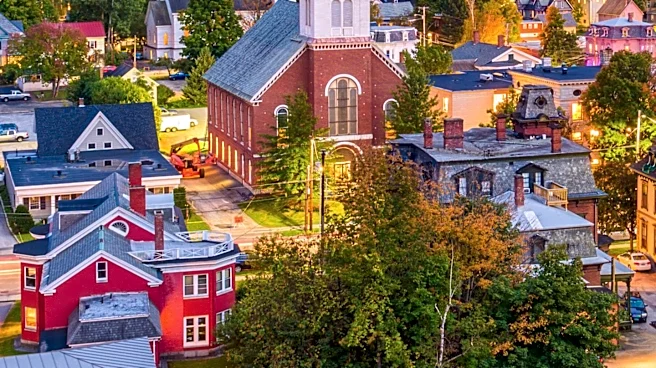
Students in Rutland, Vermont, are actively involved in a conservation effort to restore the American chestnut tree, a species that was once prevalent in the region but was nearly eradicated by blight. At Mount St. Joseph Academy, nine chestnut trees serve
as a living classroom for students, who have been tending to the grove for the past five years as part of their biology classes. Tom Estill, a local resident and educator, has been instrumental in guiding these students. Their tasks include planting, spraying to deter deer, and fertilizing the trees. Seeds cultivated at Mount St. Joseph Academy are subsequently planted at six other schools within Vermont, and Estill has personally planted seeds at over 80 schools across the state, including Rutland High School’s Allen Street campus.
Why It's Important?
This student-led initiative is vital for the long-term conservation of the American chestnut tree, a species that holds significant ecological and historical importance in the U.S. The project not only contributes to repopulating the species but also serves as an invaluable educational tool, engaging young people in hands-on environmental stewardship. By participating in the care and propagation of these trees, students gain a deeper understanding of ecological challenges, the impact of disease on ecosystems, and the importance of conservation efforts. Marla Binzel of the local American Chestnut Foundation chapter noted that many people are interested in the chestnut due to personal history and memories, highlighting the cultural significance of the tree. Although the blight will eventually affect these trees, the goal is to produce a large number of seeds to preserve the genetic diversity and continue the species' lineage.
What's Next?
The American Chestnut Foundation and educators like Tom Estill plan to continue expanding the restoration efforts. Estill intends to distribute more seeds in the spring on Arbor Day, further broadening the reach of the project. There is also an aspiration to extend these planting initiatives into New Hampshire, given the success observed in Vermont. The ongoing care by students, including planting and maintenance, will ensure the current groves continue to thrive and produce seeds. The long-term vision is to keep the DNA of the American chestnut alive through continuous propagation, even as researchers work towards developing blight-resistant varieties. This sustained effort will be crucial for the eventual re-establishment of the American chestnut in its native range.
Beyond the Headlines
The American chestnut restoration project in Rutland transcends a simple tree-planting initiative; it embodies a broader narrative of ecological resilience and intergenerational responsibility. The near extinction of the American chestnut due to blight serves as a stark reminder of how a single pathogen can devastate an entire ecosystem, highlighting the fragility of biodiversity. The involvement of students instills a sense of environmental stewardship and connects them to a historical ecological loss, fostering a deeper appreciation for conservation. This project also touches upon the scientific challenge of genetic preservation and the ongoing efforts to breed disease-resistant trees, which has implications for agricultural and forestry research. The community engagement, from students to local residents and organizations, demonstrates a collective commitment to restoring a lost natural heritage, emphasizing the cultural and emotional ties people have to their local environment.