





What's Happening?
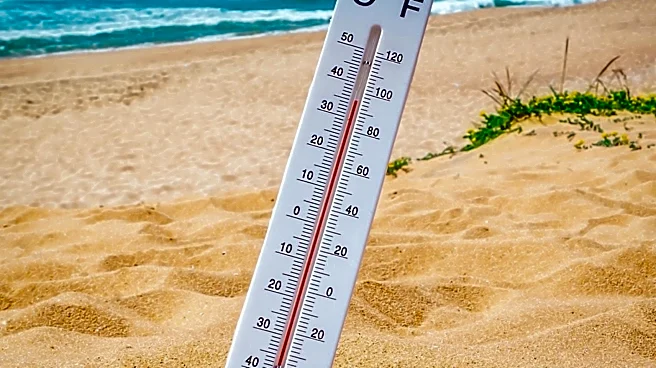
Denver experienced a record-breaking high temperature of 102 degrees on August 3, surpassing the previous record of 100 degrees set in 1878. This marks the second consecutive day of triple-digit temperatures in the city. The National Weather Service reported
that the temperature at Denver International Airport reached this new high, significantly above the typical August 3 average of 89 degrees. Despite the heat, a cooler day is expected to follow, with temperatures forecasted to drop to 79 degrees. However, the heat is expected to return, with temperatures climbing back into the 80s and 90s later in the week, potentially reaching near 100 degrees again.
Why It's Important?
The record-breaking heat in Denver highlights the ongoing challenges posed by extreme weather conditions, which can have significant impacts on public health, infrastructure, and the environment. High temperatures can lead to increased energy consumption as residents rely on air conditioning, potentially straining the power grid. Additionally, prolonged heat can exacerbate drought conditions and increase the risk of wildfires, which are already a concern in Colorado. The situation underscores the importance of preparedness and adaptation strategies to mitigate the effects of extreme weather events.
What's Next?
As temperatures are expected to rise again, residents and local authorities may need to prepare for continued heat-related challenges. This could involve implementing measures to conserve energy, providing resources for vulnerable populations, and monitoring wildfire risks. The National Weather Service will likely continue to issue updates and advisories to help the public stay informed and safe. Long-term, this event may prompt discussions on climate resilience and the need for sustainable practices to address the impacts of climate change.