








What's Happening?
Appalachian Power has reached a proposed compromise that would freeze residential electricity rates in Virginia for one year, from March 1, 2027, through February 29, 2028. Following this freeze, customers using 1,000 kilowatt-hours monthly would see
an average increase of 92 cents per month for the subsequent year, ending February 28, 2029. This agreement significantly reduces the utility's initial request, filed on May 28, which sought an increase of approximately $9.10 on residential monthly bills, totaling about $109 annually. The initial proposal was described by the company as its lowest rate hike request in nearly three decades, aiming to increase base rates by $61.4 million overall. The compromise also includes a proposed authorized return on equity of 9.8%, which caps the utility's allowed profit. The State Corporation Commission (SCC) is expected to rule on this compromise by January 15, 2027, as it requires their approval to take effect. Appalachian Power serves over 1.1 million people across Virginia, West Virginia, and Tennessee.
Why It's Important?
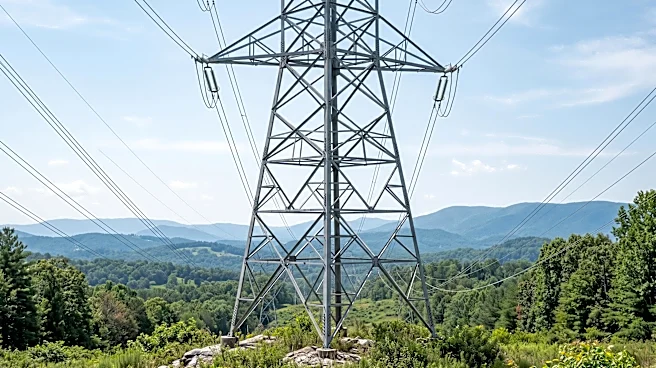
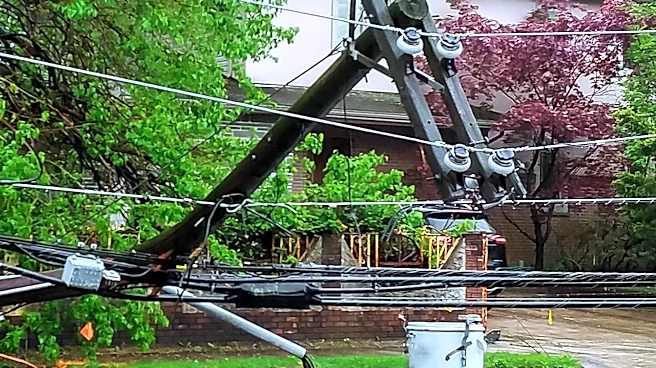
This proposed rate freeze and subsequent modest increase are significant for Virginia residents, particularly those served by Appalachian Power, as it offers a period of stable electricity costs amidst rising energy prices. The substantial reduction from the initial rate hike request demonstrates the impact of regulatory oversight and negotiations involving multiple parties. For consumers, the compromise means avoiding a much larger immediate increase, providing financial relief and predictability in household budgets. For Appalachian Power, the agreement balances the need for continued investment in grid reliability, vegetation upkeep, and customer programs with the imperative of keeping energy affordable. The SCC's role in approving these rates underscores the regulatory framework governing utilities, ensuring that rate increases are justified and reasonable. This decision could set a precedent for how future utility rate adjustments are negotiated and approved in Virginia, influencing other energy providers and potentially impacting the broader energy market in the state.
What's Next?
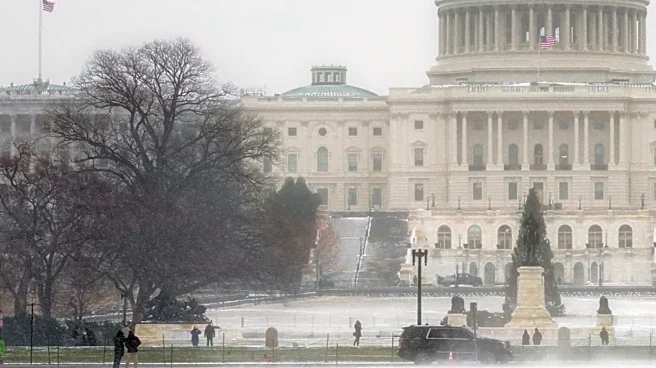
The proposed compromise now awaits approval from the Virginia State Corporation Commission (SCC), with a ruling expected by January 15, 2027. The three commissioners, elected by Virginia's General Assembly, have the authority to approve or reject all or part of the settlement. While SCC staff members helped develop the agreement, the commissioners are not bound by their recommendations and retain the final say. If approved, the rate freeze will commence on March 1, 2027, lasting for one year, followed by the 92-cent monthly increase for typical residential customers. Appalachian Power spokesperson George Porter has emphasized that the agreement is not yet final and represents a balance between affordability and necessary investments in grid reliability and customer services. Homeowners, meanwhile, may explore options like solar energy and battery storage to further manage their energy costs, regardless of the SCC's final decision on this rate proposal.
Beyond the Headlines
The negotiation and proposed settlement highlight the complex interplay between utility companies, state regulators, and consumer interests in the energy sector. The cap on the utility's authorized return on equity at 9.8% reflects a regulatory effort to balance corporate profitability with public service obligations. This situation also underscores the ongoing challenges faced by utilities in maintaining and upgrading infrastructure while keeping rates affordable for consumers, especially in a landscape where energy demands are evolving. The emphasis on grid reliability and vegetation upkeep points to the broader issues of infrastructure resilience and climate change adaptation. Furthermore, the discussion around individual homeowner options like solar and battery storage indicates a growing trend towards decentralized energy solutions, which could gradually shift the dynamics of traditional utility models and empower consumers with more control over their energy consumption and costs.