





What's Happening?
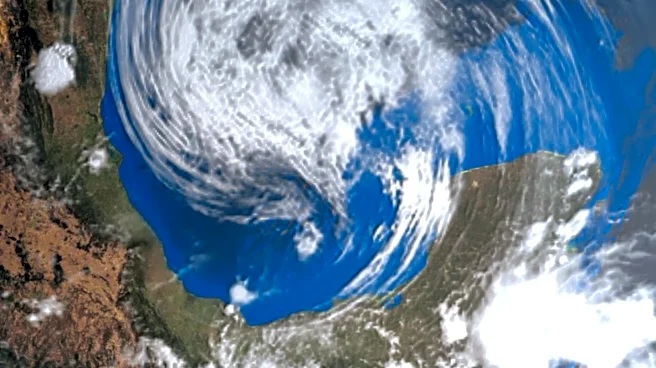
As 2026 concludes with record-breaking heat and severe weather events, including flash floods in Nepal and wildfires across Europe and North America, a concerning trend of collective dissociation from climate harms is emerging. Despite widespread media
coverage and vivid imagery of these catastrophic events, public mobilization and engagement in climate action appear to be declining. This phenomenon is characterized by a collective apathy and disconnection from the reality of climate change, where repeated exposure to traumatic climate news without clear avenues for meaningful action leads to a 'freeze' response. The Lancet Countdown report indicates that the health effects of climate change, including worsening mental health with increased anxiety, depression, and PTSD, are outpacing global efforts to address them. This desensitization can normalize increasingly severe climate catastrophes, particularly impacting countries in the Global South, and contribute to global health inequity.
Why It's Important?
The growing collective dissociation from climate change has profound implications for the U.S. and global efforts to address the crisis. A decline in public mobilization and support for pro-climate action, as observed in studies where people feel their actions are ineffective, can hinder policy implementation and reduce political will for necessary environmental reforms. In the U.S., where polls show significant concern about climate change but also a belief that countries won't prevent its worst outcomes, this dissociation can lead to a 'collective resignation.' This can manifest as reduced engagement with climate news and a decreased desire to adopt sustainable behaviors, potentially slowing down the transition to a green economy and exacerbating existing environmental challenges. The mental health burden, including increased anxiety and PTSD, also represents a significant public health concern that could strain healthcare systems and reduce overall societal resilience.
What's Next?
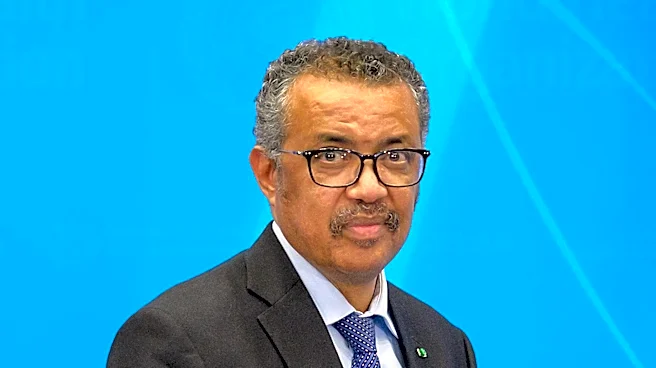
Addressing collective dissociation requires interventions that move beyond simply reporting on climate disasters. The article suggests that the absence of public mobilization, despite increasing climate events, indicates a need for strategies that empower individuals and communities to take meaningful action. This could involve fostering a sense of agency, highlighting successful climate initiatives, and providing clear pathways for engagement. Efforts to integrate mental health into climate and health programming, as advocated by the World Health Organization, will also be crucial. For the U.S., this might entail developing public awareness campaigns that focus on solutions and local actions, rather than solely on the severity of the problem. Policymakers may need to consider how to re-engage a desensitized public to build broader support for climate policies and investments in resilience and adaptation.
Beyond the Headlines
The concept of collective dissociation in response to climate change delves into the psychological and sociological dimensions of a global crisis. It highlights how the human brain's coping mechanisms, when faced with overwhelming and seemingly unresolvable threats, can lead to apathy and disengagement. This raises ethical questions about the responsibility of media, governments, and scientific communities to communicate climate information in a way that fosters action rather than despair. The disproportionate impact on the Global South, coupled with the Global North's dissociation, underscores a deep-seated issue of global health inequity and environmental justice. Understanding this psychological phenomenon is crucial for developing more effective communication strategies and policy frameworks that can overcome public fatigue and foster a renewed sense of collective responsibility and agency in the face of climate change.