








What's Happening?
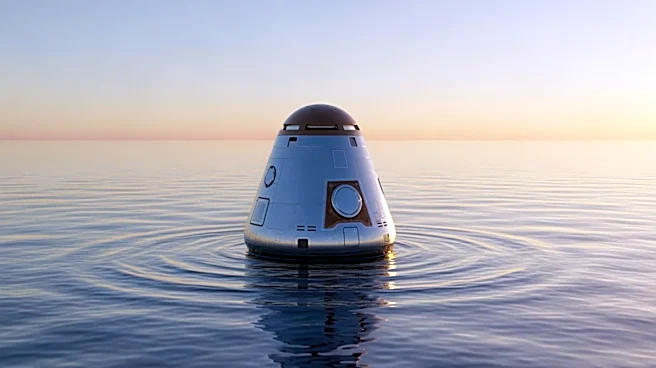
NASA has announced a significant shift in its Artemis III mission, originally intended to be the first crewed lunar landing. Instead, the mission will now focus on testing the Orion spacecraft in Earth orbit, specifically conducting docking tests with
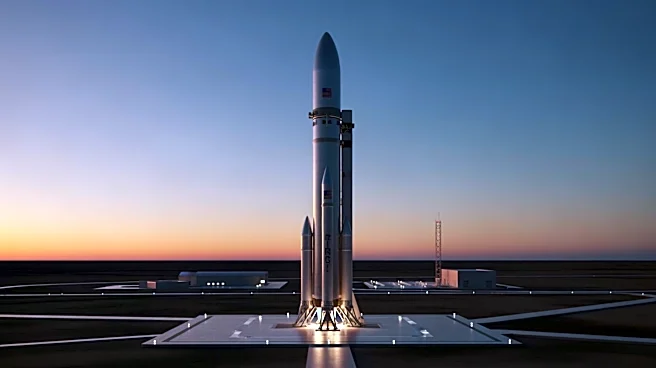
Human Landing System vehicles from SpaceX and Blue Origin. This change comes as both companies face challenges in demonstrating key capabilities, such as orbital refueling and sustained life-support systems. The timeline for Artemis III is now set for mid-2027, with the actual lunar landing postponed to Artemis IV in 2028. This decision reflects the need for further development and testing of the landers. Additionally, NASA is addressing issues from the previous Artemis II mission, including a helium leak in the service module's propulsion system and a malfunctioning onboard toilet.
Why It's Important?
The adjustment in the Artemis III mission underscores the complexities and challenges of returning humans to the Moon. By focusing on Earth orbit testing, NASA aims to ensure the reliability and safety of the Human Landing System before attempting a lunar landing. This cautious approach is crucial for the success of future missions and the long-term goal of establishing a sustainable human presence on the Moon. The delay also highlights the technical hurdles faced by SpaceX and Blue Origin, which could impact their timelines and capabilities in the competitive space exploration industry. The outcome of these tests will have significant implications for U.S. leadership in space exploration and the potential for international collaboration.
What's Next?
As NASA prepares for the Artemis III mission, the focus will be on resolving technical issues and ensuring the readiness of the Human Landing System. The agency will continue to work closely with SpaceX and Blue Origin to address the challenges identified. The successful completion of Earth orbit tests will be a critical milestone for the Artemis program, paving the way for the planned lunar landing in 2028. Stakeholders, including government agencies and private companies, will be closely monitoring the progress of these developments, as they have far-reaching implications for future lunar and interplanetary exploration.