










What's Happening?
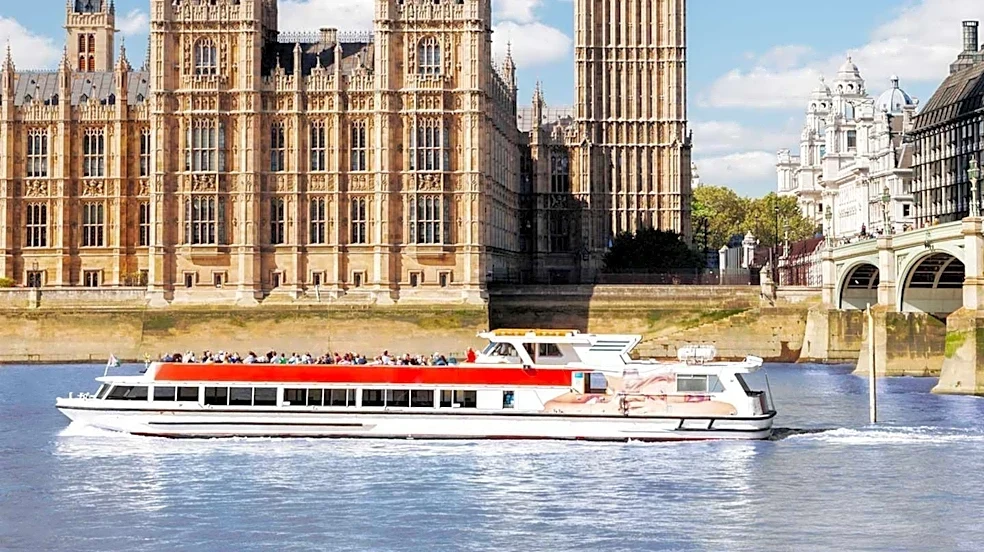
London, the capital city of the United Kingdom and England, is highlighted as a premier global travel destination. The city is celebrated for its rich royal history, iconic landmarks, and diverse cultural offerings. Visitors can explore historical sites
such as Buckingham Palace, the Tower of London, and Westminster Abbey, which are central to British heritage. Modern attractions like the London Eye provide panoramic views of the cityscape, while the South Bank offers riverside dining and entertainment. The city also boasts world-class museums, including the British Museum and the Natural History Museum, many of which offer free general admission. Beyond historical and cultural sites, London provides numerous green spaces like Hyde Park and Regent's Park, offering tranquil escapes within the bustling urban environment. The city's vibrant shopping districts, such as Covent Garden and Oxford Street, along with its diverse culinary scene, further enhance its appeal to a wide range of travelers. Entertainment options include West End theatre productions and the Warner Bros. Studio Tour London for Harry Potter enthusiasts.
Why It's Important?
London's enduring appeal as a global travel hub significantly impacts the international tourism industry and the UK economy. Its ability to attract millions of visitors annually supports a vast ecosystem of hotels, restaurants, retail businesses, and cultural institutions. The city's blend of historical significance and modern attractions ensures a continuous flow of tourism revenue, contributing to job creation and economic stability. For the U.S., London serves as a major destination for American tourists, fostering cultural exchange and strengthening transatlantic ties. The city's influence extends to various sectors, including arts and entertainment, with its West End productions often inspiring similar ventures globally. The preservation and promotion of London's landmarks and cultural sites also underscore the importance of heritage tourism, influencing how other major cities worldwide manage and market their historical assets. The diverse offerings cater to different demographics, from history buffs to families, making it a versatile and resilient tourist destination.
What's Next?
London is expected to continue its efforts in promoting tourism through various campaigns and initiatives, particularly focusing on attracting international visitors. The city will likely emphasize its unique blend of historical and contemporary attractions, adapting to evolving traveler preferences. There may be continued investment in infrastructure and public services to enhance the visitor experience, including improvements to public transport and accessibility to key sites. Cultural institutions will likely continue to host new exhibitions and events to maintain engagement and draw repeat visitors. The city's entertainment sector, particularly the West End, will continue to innovate with new productions and shows. Additionally, London will likely explore sustainable tourism practices to manage the environmental impact of high visitor numbers while preserving its natural and historical assets for future generations. The focus will remain on providing diverse experiences, from royal history to modern city life, ensuring its status as a top global destination.
Beyond the Headlines
Beyond its immediate economic impact, London's role as a cultural melting pot has profound implications for global understanding and soft power. The city's ability to seamlessly integrate diverse cultures, reflected in its cuisine, arts, and neighborhoods, offers a model for multicultural coexistence. Its world-renowned museums and galleries, many with free admission, democratize access to global heritage and knowledge, fostering intellectual curiosity and cross-cultural dialogue. The preservation of historical sites like the Tower of London and Buckingham Palace not only attracts tourists but also serves as a living testament to centuries of history, offering valuable lessons in governance, societal evolution, and architectural innovation. Furthermore, London's status as a hub for education and research, with numerous universities and academic institutions, benefits from its vibrant cultural scene, attracting international students and scholars. This confluence of history, culture, and education positions London as more than just a tourist destination; it is a global center for learning, innovation, and cultural exchange, influencing trends and ideas worldwide.