



What's Happening?
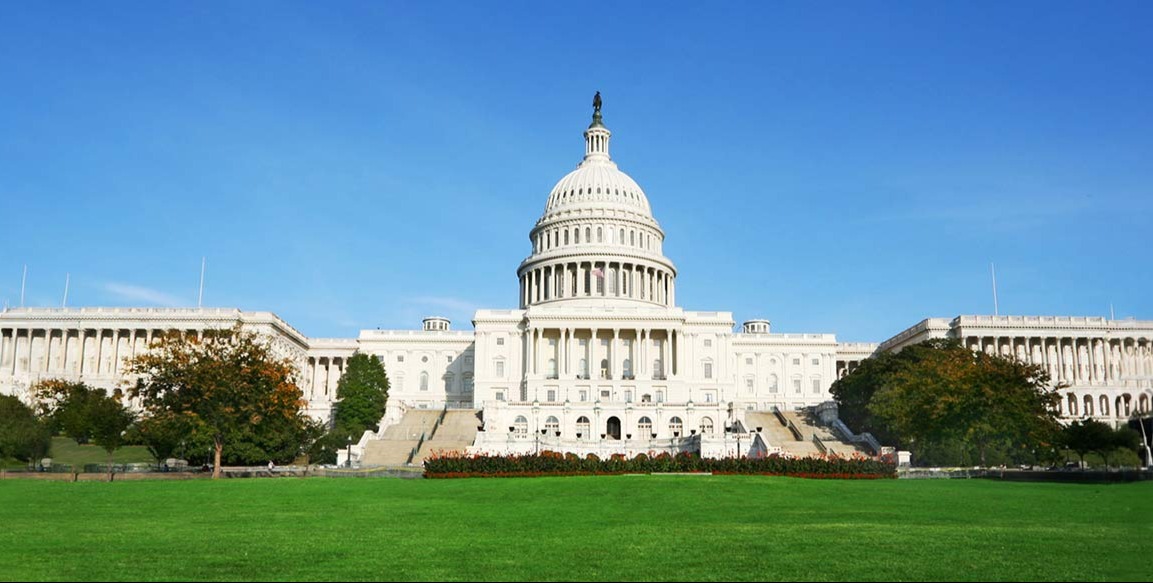
The U.S. Congress has agreed on an $838.7 billion defense budget for fiscal year 2026, which includes an $8.4 billion increase over the Pentagon's initial request. However, the bill does not fully fund the Pentagon's additional requests for $28.8 billion in multiyear
munitions procurement. Instead, appropriators have allocated $1.8 billion for munitions and approved eight types for multiyear procurement, including PAC-3 missiles and Tomahawk cruise missiles. The bill also addresses funding discrepancies and emergent requirements identified by the Defense Department, totaling over $50 billion. Despite these challenges, the bill emphasizes the need for sustained funding to address military modernization and munitions stockpile replenishment.
Why It's Important?
The defense bill highlights the ongoing challenges in balancing military funding priorities with budget constraints. By limiting the Pentagon's munitions funding request, Congress is signaling the need for more strategic allocation of resources. The decision to boost funding for certain munitions while rejecting others reflects a focus on maintaining critical capabilities without overextending financial commitments. This approach aims to ensure that the U.S. military remains equipped to address current and future threats while managing fiscal responsibility. The bill's emphasis on industrial capacity and supply chain challenges underscores the importance of maintaining a robust defense manufacturing base.
What's Next?
As the defense bill moves forward, the Pentagon will need to adjust its procurement strategies to align with the approved budget. This may involve prioritizing certain programs and seeking efficiencies in others. The requirement for semi-annual reports on multiyear munitions contracts will increase transparency and accountability in defense spending. Additionally, the focus on solid rocket motor production highlights the need to address supply chain vulnerabilities. The Pentagon will likely continue to engage with Congress to secure additional funding for critical programs in future budget cycles, while also exploring alternative solutions to meet its operational needs.