







What's Happening?
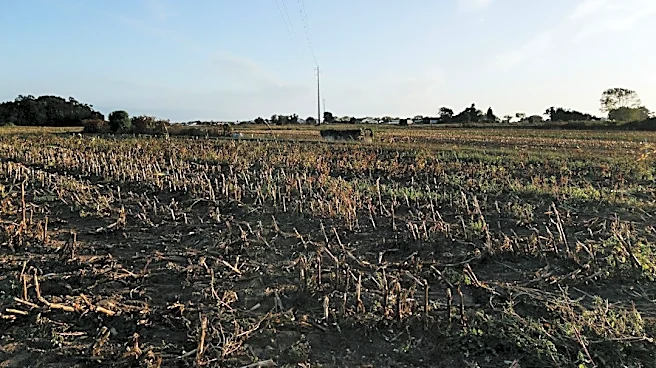
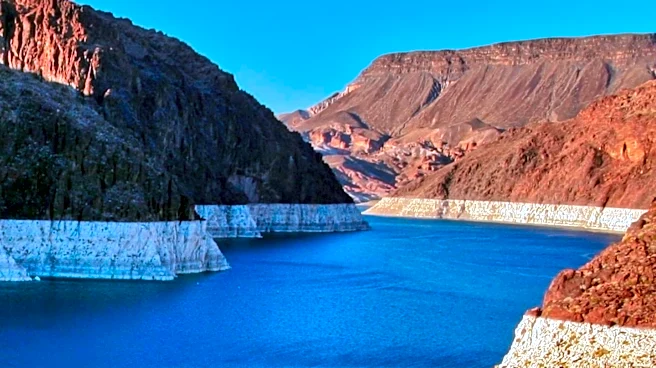
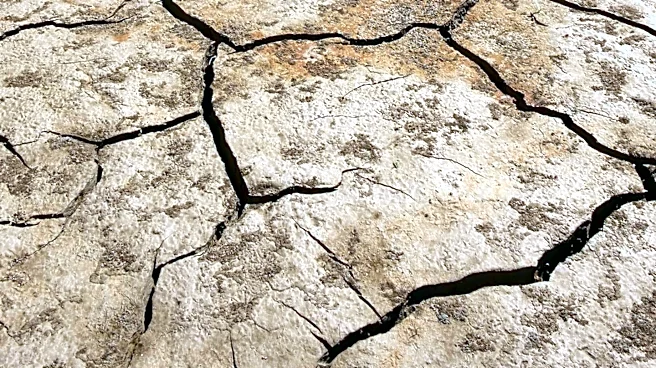
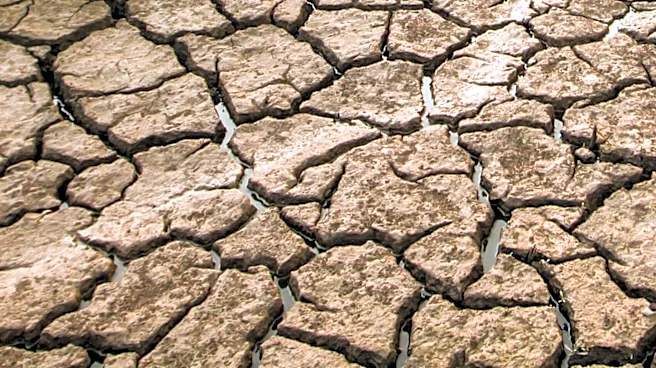
Kandahar province is experiencing severe water shortages, impacting daily life, health, agriculture, and economic conditions. According to the Kandahar Department of Agriculture, Irrigation and Livestock, drought and climate change have put 30 percent
of the province’s orchards at risk of drying up. This includes fig orchards in Shah Wali Kot district and pomegranate orchards in Arghistan district, which are particularly hard hit. Approximately 45 percent of Kandahar's residents are engaged in agriculture, with about 132,000 people employed in harvesting, processing, and packaging fruits like grapes, pomegranates, and figs. Local orchard owners, such as Sher Mohammad, report that water supplies have declined drastically, forcing some to use water unsuitable for human consumption. The United Nations Office for the Coordination of Humanitarian Affairs (OCHA) has identified Afghanistan as a country facing severe drought, now in its third consecutive year of drought-related damage.
Why It's Important?
The severe drought in Kandahar poses a significant threat to the region's agricultural sector, which is a cornerstone of its economy and employment. With nearly half of the province's population dependent on agriculture, the drying up of orchards could lead to widespread job losses and economic instability. The decline in groundwater levels and the scarcity of water for irrigation directly impact food security and the livelihoods of thousands of families. The situation also highlights the broader implications of climate change on vulnerable regions, potentially exacerbating humanitarian crises and increasing the need for international aid. The reliance on agriculture means that the environmental challenge translates directly into a socio-economic crisis, affecting health and living standards.
What's Next?
Officials from the Kandahar Department of Agriculture, Irrigation and Livestock have initiated efforts to mitigate the crisis. These include the construction of water-retention dams and the promotion of modern drip-irrigation systems to conserve water. They also plan to advise residents on water conservation techniques. However, residents and orchard owners emphasize the urgent need for more substantial water-management projects, prioritizing them over other development initiatives. The long-term success of these measures will be crucial in preventing further agricultural collapse and ensuring the sustainability of livelihoods in the region. Continued monitoring of groundwater levels and climate patterns will also be essential for adaptive strategies.
Beyond the Headlines
The water crisis in Kandahar extends beyond immediate agricultural losses, touching upon deeper issues of environmental sustainability, public health, and governance. The forced use of contaminated water for drinking, as reported by local residents, underscores a looming public health crisis. The situation also highlights the challenges faced by authorities in implementing effective climate adaptation strategies in a region already grappling with complex socio-political issues. The long-term implications could include increased internal displacement, heightened competition for scarce resources, and potential social unrest if the water crisis is not adequately addressed. It also brings into focus the global responsibility to support regions disproportionately affected by climate change.