







What's Happening?
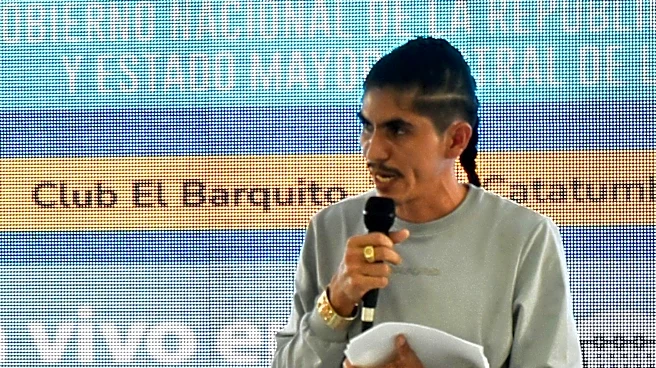
Rui Costa Pimenta, the presidential candidate for the Workers' Cause Party (PCO), has publicly advocated for the full legalization of abortion, arguing that its prohibition is a moral and religious imposition. In an interview with Poder360, Pimenta stated
that the Brazilian state should be strictly secular and should not enact laws based on religious precepts. He emphasized individual freedom of choice, asserting that while religious individuals may choose not to have an abortion, they should not prohibit others from doing so. Pimenta views abortion as an emergency measure for desperate situations, but also stressed that government policy should prioritize maternity support, including adequate healthcare, childcare facilities, and workplace accommodations for mothers. Additionally, Pimenta declared that while the PCO is philosophically against drug consumption, it supports the decriminalization of drugs, including marijuana, believing that prohibition causes more harm than liberation.
Why It's Important?
Rui Costa Pimenta's stance on abortion and drug decriminalization highlights a significant ideological divide within Brazilian politics, emphasizing the principle of a secular state and individual liberties. His advocacy for full abortion legalization challenges deeply entrenched religious and moral views, potentially sparking intense public debate and influencing policy discussions on reproductive rights. By framing abortion as an emergency measure and advocating for comprehensive maternity support, Pimenta attempts to balance individual choice with societal welfare. Similarly, his support for drug decriminalization, despite personal opposition to drug use, reflects a pragmatic approach to public health and criminal justice, aiming to reduce the harms associated with prohibition. These positions could resonate with voters who prioritize secular governance, individual autonomy, and evidence-based policy, potentially shifting the political discourse and influencing the platforms of other candidates.
What's Next?
Rui Costa Pimenta's outspoken views on abortion and drug decriminalization are likely to generate considerable discussion during the presidential campaign. These topics are highly contentious in Brazil, and his clear positions will force other candidates to articulate their own stances, potentially shaping the broader electoral debate. Advocacy groups for reproductive rights and drug policy reform may find common ground with Pimenta's platform, while conservative and religious groups are likely to strongly oppose his proposals. The emphasis on a secular state could also lead to renewed discussions about the separation of church and state in public policy. If Pimenta's campaign gains traction, these issues could move higher on the national agenda, potentially leading to legislative proposals or public referendums in the future, regardless of the election outcome.
Beyond the Headlines
The deeper implications of Pimenta's proposals extend to the fundamental values and social fabric of Brazil. His call for a strictly secular state challenges the historical influence of religious institutions on public policy, particularly concerning moral issues like abortion. This could lead to a re-evaluation of the role of religion in governance and a push for more secular legal frameworks. The argument for drug decriminalization, based on the idea that prohibition causes more harm, touches upon complex issues of public health, crime, and individual freedom. It suggests a shift from punitive approaches to harm reduction strategies, which could have profound effects on the criminal justice system, public health services, and social attitudes towards drug use. These debates are not merely political but reflect a broader societal struggle over modernity, individual rights, and the definition of a just and equitable society.