
What's Happening?
LUMA, the operator of Puerto Rico's electric power transmission and distribution system, and AES Puerto Rico LP, an electricity generator, have energized a new 115-kilovolt transmission line. This new line connects
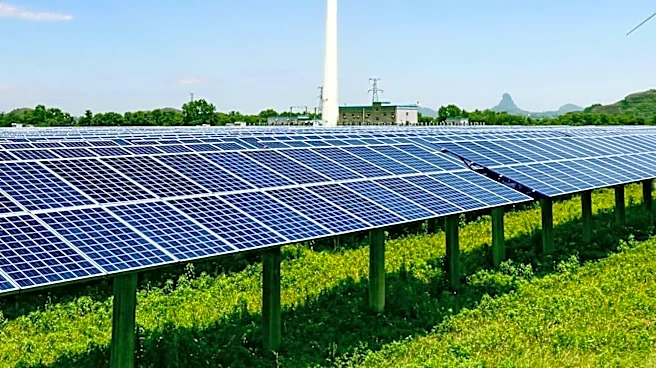
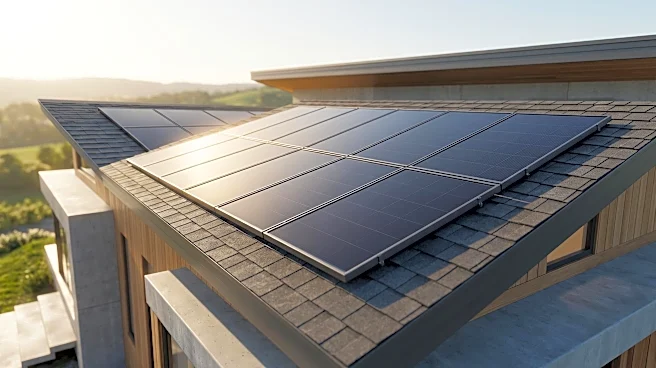
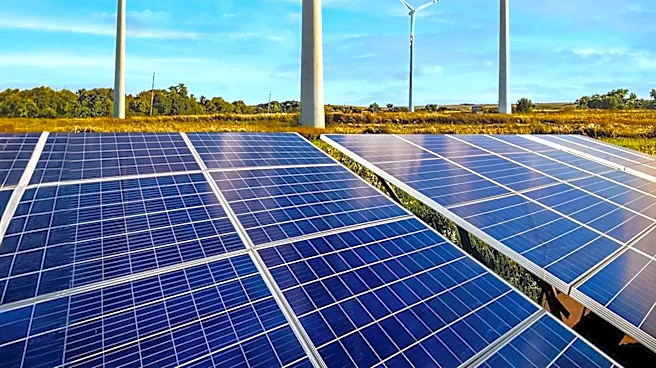
two significant energy projects to the island's electric grid. Following this connection, testing will commence for Puerto Rico's first utility-scale battery energy storage system (BESS) for the Jobos Solar and Jobos BESS projects. These projects are slated to begin commercial operations in the fourth quarter of 2026. The initiative is part of Project Marahú, an AES Clean Flexible Energy project that has received over $860 million in financial support from the U.S. Department of Energy (DOE). The projects are expected to add 80 megawatts (MW) of solar generation and 110 MW of energy storage to the grid, with batteries providing four hours of storage, totaling approximately 440 megawatt-hours.
Why It's Important?
This development is crucial for enhancing Puerto Rico's energy infrastructure and resilience. The integration of utility-scale solar generation and battery storage will allow for more efficient use of solar energy, enabling power generated during the day to be stored and utilized during periods of higher demand at night. This capacity addition will strengthen the system's operational stability, reducing the likelihood of load shedding caused by generation constraints. The solar generation alone is projected to meet the equivalent consumption of approximately 25,000 homes, peaking at around 40,000 homes during midday. Furthermore, Project Marahú aims to replace power generated by the island's diesel and coal plants, thereby eliminating associated pollution and contributing to Puerto Rico's clean energy and climate goals, as highlighted by the U.S. Department of Energy.
What's Next?
The immediate next step involves the testing of the utility-scale battery energy storage system for the Jobos Solar and Jobos BESS projects. Commercial operations for these projects are scheduled to commence in the fourth quarter of 2026. LUMA also upgraded the Jobos TC 4003 Substation, installing protection, automation, and metering equipment to ensure safe integration and monitoring of energy flow into the grid. The successful implementation and operation of these projects will serve as a model for future renewable energy initiatives in Puerto Rico, potentially attracting further investment and development in clean energy infrastructure. The U.S. Department of Energy's substantial financial backing suggests continued federal support for Puerto Rico's energy transition.
Beyond the Headlines
Beyond the immediate benefits of increased energy capacity and stability, this project signifies a broader shift towards sustainable energy solutions in regions heavily reliant on traditional fossil fuels. The transition from diesel and coal plants to solar and battery storage has significant environmental implications, contributing to reduced carbon emissions and improved air quality. This initiative also addresses the critical need for energy resilience in Puerto Rico, an island frequently impacted by natural disasters that disrupt its power grid. The project's success could influence energy policy and investment strategies in other island nations and vulnerable regions seeking to modernize their energy systems and mitigate the effects of climate change, fostering a more sustainable and reliable energy future.