


What's Happening?
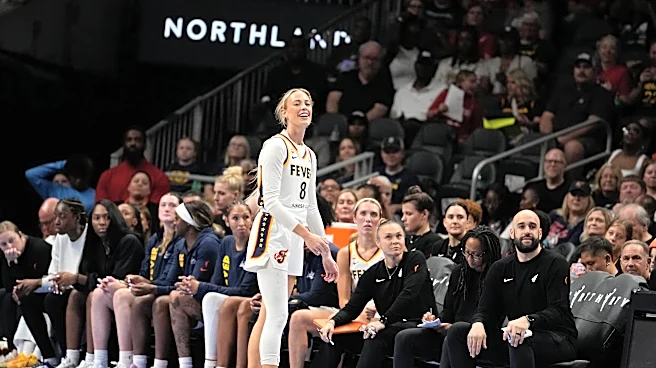
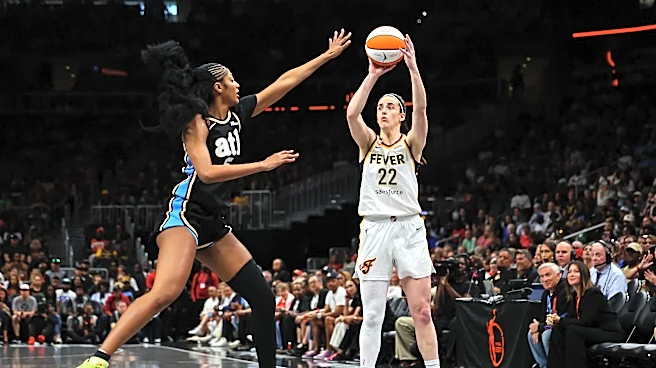
Alabama Senator Tommy Tuberville recently used social media to commend WNBA player Sophie Cunningham for her display of patriotism during the national anthem at an Indiana Fever game against the Atlanta Dream. Cunningham was observed with her hand over
her heart, a gesture that stood out as other Fever players had their arms at their sides, and the Atlanta Dream roster reportedly skipped the anthem entirely. Senator Tuberville quote-tweeted a video of Cunningham, labeling her a 'true PATRIOT.' This is not Senator Tuberville's first involvement in WNBA discussions; he previously commented on a controversy where women were nearly ejected from a Dream game for wearing 'For The Girls' t-shirts, stating that 'The WNBA continues to stand AGAINST women. And every single Democrat is SILENT.' Cunningham has also garnered attention for her views on trans women participating in the WNBA, which has drawn support from conservative figures.
Why It's Important?
Senator Tuberville's public commendation of Sophie Cunningham highlights the ongoing intersection of sports, patriotism, and political discourse in the United States. His remarks underscore a broader cultural debate about expressions of national pride, particularly within professional sports leagues. For the WNBA, this incident adds to existing discussions about player activism and political stances, which have often been a focal point for both criticism and support. The senator's previous comments regarding the WNBA and women's issues also indicate a consistent engagement with the league's social and political narratives. This situation could further polarize opinions among sports fans and the general public, with some viewing Cunningham's actions and Tuberville's praise as a positive affirmation of traditional values, while others might see it as a politicization of sports or a critique of differing viewpoints within the league. The involvement of a U.S. Senator amplifies the visibility and potential impact of these discussions beyond the sports community.
What's Next?
The public endorsement by Senator Tuberville could lead to increased scrutiny and discussion around Sophie Cunningham's actions and views, potentially influencing public perception of both the player and the WNBA. Other political figures or public personalities might weigh in on the matter, further expanding the debate. The WNBA and its players may face continued pressure to address or respond to these political and social commentaries, potentially leading to statements from the league or individual athletes. This event could also fuel further discussions about the role of patriotism and political expression in professional sports, possibly impacting future policies or guidelines within sports organizations regarding player conduct during national anthems. The ongoing dialogue around gender identity in sports, which Cunningham has also contributed to, is likely to remain a prominent topic, with this incident adding another layer to the conversation.
Beyond the Headlines
This event touches upon deeper societal currents concerning national identity, freedom of expression, and the role of public figures in shaping cultural norms. The act of placing a hand over one's heart during the national anthem, traditionally a symbol of respect, has become a point of contention in recent years, often interpreted through a political lens. Senator Tuberville's praise, while seemingly straightforward, can be seen as an affirmation of a particular interpretation of patriotism, potentially marginalizing other forms of expression or protest. This incident also highlights the increasing politicization of sports, where athletes and leagues are often drawn into broader cultural wars. The WNBA, known for its players' social activism, finds itself at the center of these debates, reflecting the challenges faced by institutions in navigating diverse viewpoints within their communities. The underlying tension between individual expression and collective expectations of patriotism continues to be a significant aspect of American public life.