






What's Happening?
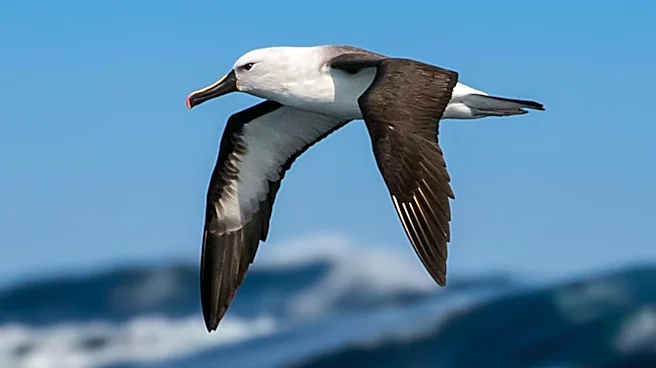
The H5N1 strain of avian influenza has been detected in a wild bird in Victoria, marking the first such detection in the region. The virus primarily spreads among birds and can occasionally infect other mammals, but human infections are rare. The current
risk to the public is considered low, and no locally acquired human cases have been reported in Australia. Health authorities advise the public to avoid contact with sick or dead birds and to report any sightings to the Emergency Animal Disease Hotline. Healthcare professionals are urged to consider avian influenza in patients with flu-like symptoms who have had contact with birds.
Why It's Important?
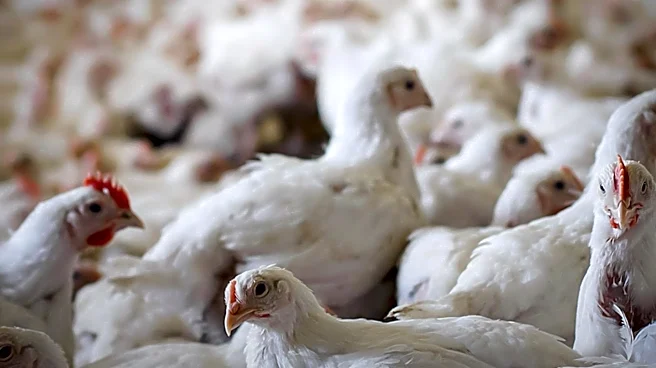
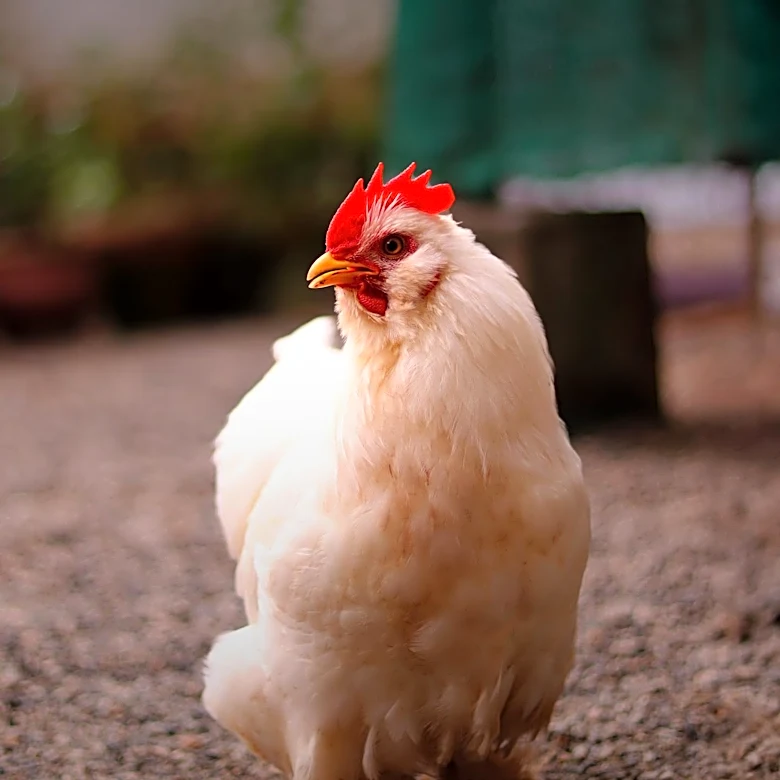
The detection of H5N1 in Victoria is a critical development in the monitoring of avian influenza, as it highlights the potential for the virus to spread within bird populations. While the risk to humans is low, the situation underscores the importance of maintaining robust surveillance and biosecurity measures to prevent outbreaks. The potential impact on the poultry industry and wildlife conservation efforts is significant, as outbreaks can lead to economic losses and ecological disruptions. Public health measures, including vaccination and awareness campaigns, are essential in mitigating the risk of a larger outbreak.
What's Next?
Authorities will likely continue to monitor bird populations and enhance biosecurity measures to prevent the spread of the virus. Public health campaigns may be intensified to educate the public on avoiding contact with sick or dead birds and the importance of vaccination. The Victorian Department of Health will remain vigilant in tracking any suspected human cases and ensuring rapid response measures are in place. Collaboration with international health organizations may also be pursued to share data and strategies for managing avian influenza.