




What's Happening?
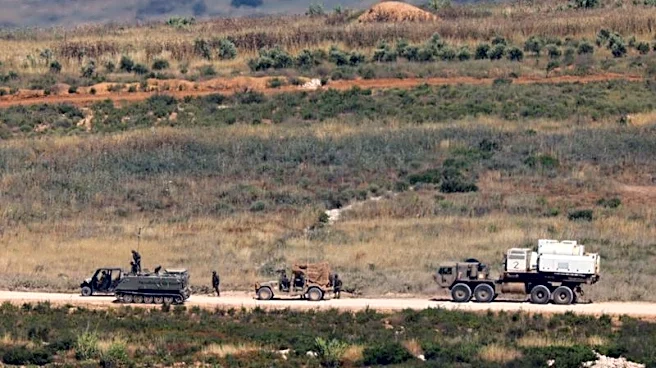
Oil prices have surged following a report from Iran's semi-official Tasnim news agency that the country will cease exchanging messages with the United States. This decision comes in response to Israel's military actions in Lebanon, which Iran views as an escalation.
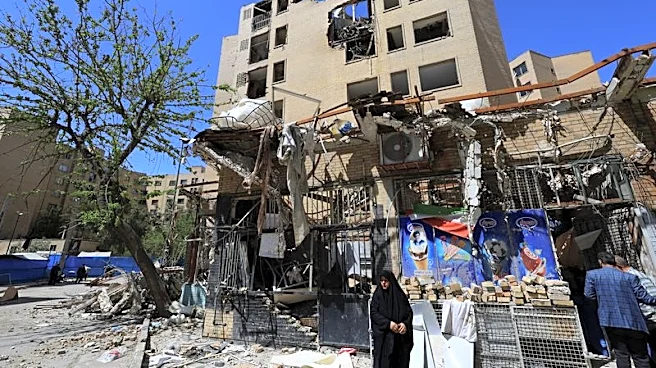
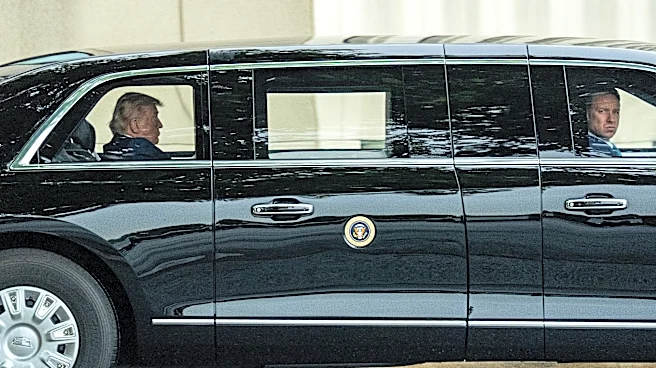
The halt in communications is a significant development in the ongoing tensions between Washington and Tehran, who have been negotiating changes to a draft agreement aimed at extending a ceasefire and resuming energy exports through the Strait of Hormuz. The price of Brent crude oil rose to $96.10 per barrel, while West Texas Intermediate surpassed $92. President Trump expressed optimism, stating that 'it will all work out well in the end,' despite recent military strikes by both sides. Iran, however, insists that a truce in Lebanon is essential for any agreement, accusing the U.S. of prolonging negotiations.
Why It's Important?
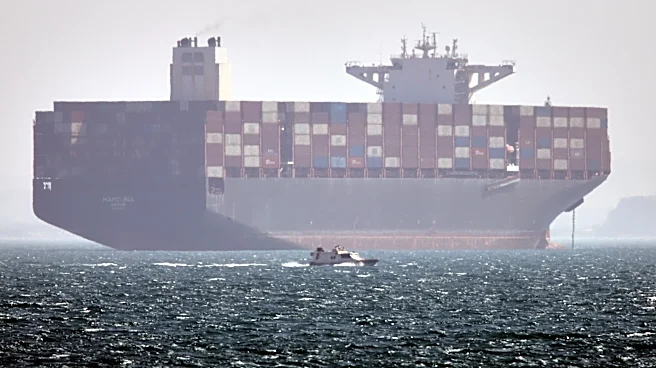
The suspension of communications between Iran and the U.S. has significant implications for global oil markets and geopolitical stability. The Strait of Hormuz is a critical chokepoint for global energy supplies, and any disruption in its operations can lead to substantial increases in oil prices, affecting economies worldwide. The rise in oil prices reflects market concerns over potential supply disruptions. Additionally, the situation underscores the fragile nature of Middle Eastern geopolitics, where military actions and diplomatic negotiations are closely intertwined. The U.S. and Iran's inability to reach a consensus could lead to prolonged instability in the region, impacting global energy security and economic stability.
What's Next?
The next steps in this geopolitical standoff are uncertain. The U.S. and Iran may continue to seek diplomatic solutions to extend the ceasefire and resume energy exports, but the path forward is fraught with challenges. Key stakeholders, including other nations reliant on Middle Eastern oil, will likely monitor the situation closely, potentially advocating for renewed diplomatic efforts. The international community may also play a role in mediating the conflict to prevent further escalation. Meanwhile, oil markets will remain volatile, with traders reacting to any developments in the negotiations or military actions in the region.