



What's Happening?
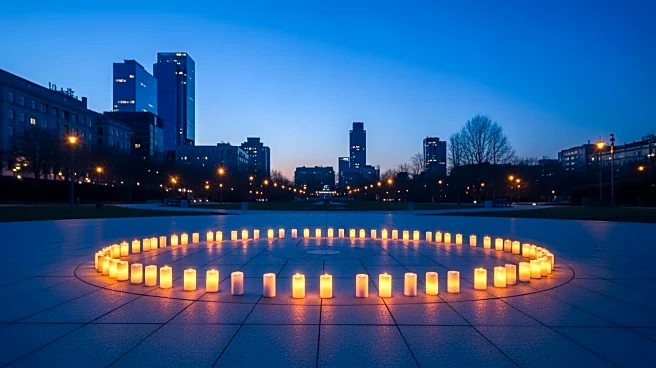
A group of Quakers gathered in Millennium Park, Chicago, for a silent vigil to protest against war and violence. The event, part of a nationwide 'Love as Action' vigil organized by the American Friends Service Committee, saw about 10 members of the Religious
Society of Friends standing silently between Michigan Avenue and the Cloud Gate sculpture. The vigil aimed to address concerns over rising authoritarianism and violence in U.S. domestic and foreign policy, particularly focusing on the U.S. military engagement in Iran and the federal mass deportation campaign. Participants expressed frustration with the current state of affairs, highlighting the civilian harm caused by military actions in the Middle East. The event was one of several held across the country, reflecting a broader movement advocating for peace and justice.
Why It's Important?
The vigil underscores growing public discontent with U.S. foreign policy and domestic issues related to violence and authoritarianism. By organizing such events, the Quakers and other peace advocates aim to draw attention to the human cost of military engagements and the impact of aggressive domestic policies. The protest reflects a broader societal concern about the direction of U.S. policy, both at home and abroad, and highlights the role of civil society in advocating for change. The participation of diverse individuals, including non-Quakers, indicates a widespread desire for a shift towards more peaceful and just policies. This movement could influence public opinion and potentially impact future policy decisions.
What's Next?
The 'Love as Action' vigils are expected to continue, with organizers planning more events to maintain pressure on policymakers. The ongoing protests may lead to increased dialogue between civil society groups and government officials, potentially influencing future policy directions. As public awareness grows, there may be more calls for accountability and transparency in government actions, particularly regarding military engagements and domestic policies affecting marginalized communities. The movement's impact will depend on its ability to sustain momentum and engage a broader audience in advocating for peace and justice.
Beyond the Headlines
The vigil highlights the ethical and moral dimensions of U.S. policy decisions, particularly the balance between national security and human rights. It raises questions about the long-term consequences of military interventions and the societal impact of domestic policies perceived as authoritarian. The involvement of diverse participants, including those outside the Quaker community, suggests a potential shift in public consciousness towards more inclusive and equitable policy approaches. This movement could contribute to a broader cultural shift towards non-violence and social justice, influencing future generations' perspectives on conflict and governance.