




What's Happening?
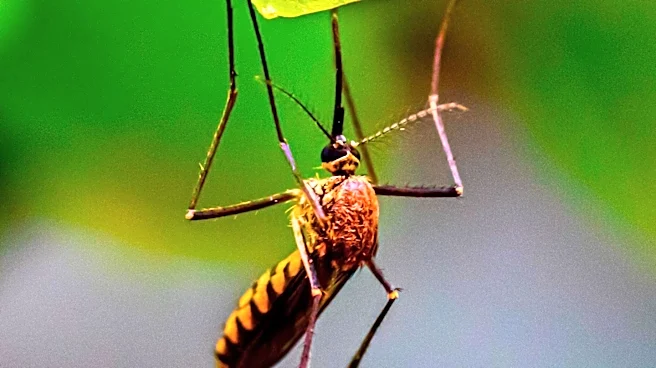
In southern Israel, the West Nile virus has been detected in mosquitoes, prompting local authorities to enhance prevention, monitoring, and public awareness efforts. The Health Ministry and the Environmental Protection Ministry have confirmed the presence
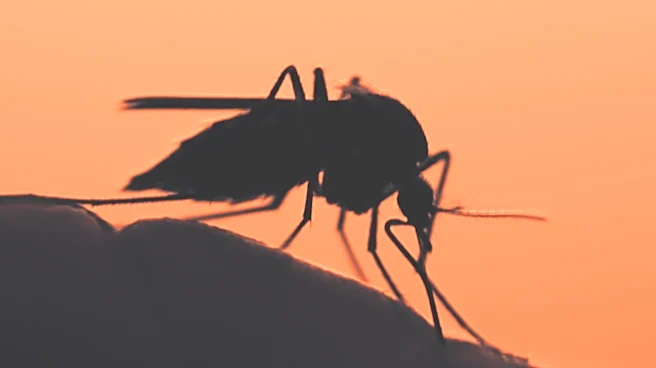
of the virus in the Tamar Regional Council area. This discovery has led to increased mosquito control measures across the country. Since the beginning of the year, six cases of West Nile fever have been diagnosed in Israel. The risk of further outbreaks is heightened between June and November, coinciding with peak mosquito activity. The virus, transmitted to humans through mosquito bites, is not spread from person to person. Most cases are mild, but serious complications can occur, particularly in vulnerable populations such as older adults and those with weakened immune systems.
Why It's Important?
The detection of the West Nile virus in mosquitoes is significant as it underscores the ongoing public health challenge posed by mosquito-borne diseases. The virus can lead to severe health complications, including neurological damage, in rare cases. The situation highlights the importance of effective monitoring and control measures to prevent outbreaks. Public awareness and participation are crucial in reducing mosquito breeding sites, which are exacerbated by high temperatures and standing water. The absence of a specific antiviral treatment or vaccine for West Nile fever further emphasizes the need for preventive strategies. The health and safety of vulnerable populations are particularly at risk, necessitating comprehensive public health responses.
What's Next?
Authorities are likely to continue and possibly expand their monitoring and control efforts to prevent further spread of the virus. Public health campaigns may be intensified to educate residents on preventive measures, such as eliminating standing water and using mosquito repellents. The effectiveness of these measures will be critical in managing the risk of outbreaks. Local authorities may also increase inspections and interventions in areas prone to mosquito breeding. The ongoing situation may prompt further research into mosquito-borne diseases and the development of vaccines or treatments for West Nile fever.
Beyond the Headlines
The detection of the West Nile virus in Israel highlights broader environmental and public health challenges. Climate conditions, such as rising temperatures, contribute to the proliferation of mosquitoes, which can lead to increased transmission of mosquito-borne diseases. This situation underscores the interconnectedness of environmental factors and public health. It also raises questions about the adequacy of current public health infrastructure and the need for sustainable environmental management practices. The event may prompt discussions on global health security and the importance of international cooperation in addressing vector-borne diseases.