








What's Happening?
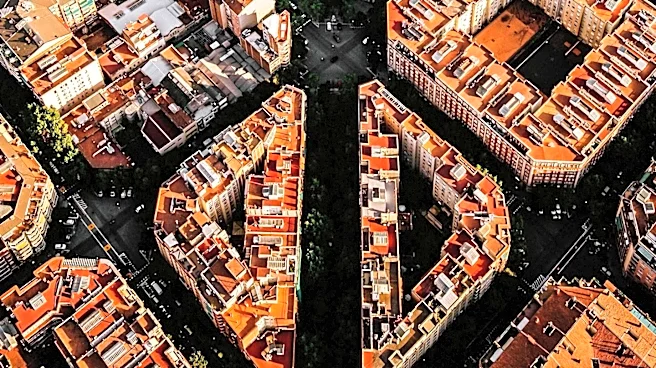
Barcelona has been designated the World Capital of Architecture for 2026 by UNESCO and the International Union of Architects. This prestigious title will see the city host an extensive program of over 1,500 activities across its ten districts from February
12 to December 13, 2026. These activities will include exhibitions, architectural routes, workshops, open days, guided visits, installations, conferences, and competitions. The initiative aims to encourage visitors to explore beyond Barcelona's traditional attractions and discover new neighborhoods and urban spaces. This cultural focus is part of a broader effort to reshape the city's tourism landscape, which also includes changes to tourist taxes and cruise infrastructure. The city is balancing strong international demand, particularly from the U.S., with efforts to manage growth and enhance the visitor experience.
Why It's Important?
The designation of Barcelona as the World Capital of Architecture in 2026 is significant for the U.S. tourism market, as American travelers represent a substantial portion of the city's hotel bookings, accounting for 28.2% in the third-quarter 2026 forward-booking dataset. This cultural initiative provides a fresh incentive for U.S. tourists to visit, potentially diversifying their itineraries beyond typical attractions. The increased cultural offerings, combined with direct air links from multiple U.S. airports, are expected to maintain strong transatlantic accessibility. However, U.S. travelers will also face higher tourism taxes, with charges reaching up to €12 per person per day for five-star hotels, impacting their overall holiday budget. This blend of enhanced cultural experiences and increased costs will redefine the value proposition for American visitors to Barcelona.
What's Next?
As Barcelona prepares for its year as the World Capital of Architecture, the city will continue to implement its extensive program of over 1,500 activities, which are scheduled to run from February 12 to December 13, 2026. Travelers planning visits during this period should anticipate a rich cultural calendar and factor in the recently increased tourist taxes, which came into effect on April 1. The city also plans to reorganize its cruise tourism infrastructure, reducing the number of terminals at Adossat wharf from seven to five, with a €50 million investment to overhaul a section of the wharf. These changes aim to improve mobility and adapt facilities to stricter environmental requirements, indicating a continued evolution in Barcelona's approach to managing its tourism sector.
Beyond the Headlines
Barcelona's strategic shift towards cultural tourism and sustainable management, exemplified by its World Capital of Architecture designation, reflects a broader global trend among popular destinations to mitigate the impacts of mass tourism. By spreading activities across all ten districts and encouraging exploration beyond central attractions, Barcelona aims to foster a more equitable distribution of tourism benefits and reduce pressure on overcrowded areas. This approach also highlights an ethical dimension, as the city seeks to integrate residents' needs into its tourism strategy, ensuring that local communities can continue to thrive alongside a robust visitor economy. The increased tourist taxes and reorganization of cruise infrastructure underscore a commitment to balancing economic gains with environmental and social sustainability, potentially setting a precedent for other major tourist cities grappling with similar challenges.