





What's Happening?
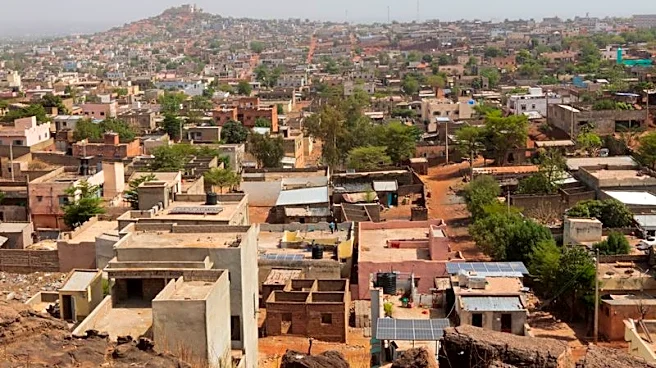
Mali's junta leader, Assimi Goita, met with Russia's ambassador to Bamako, marking his first public appearance since a series of coordinated attacks by Islamic militants and separatists. These attacks, which Russia described as a coup attempt, targeted
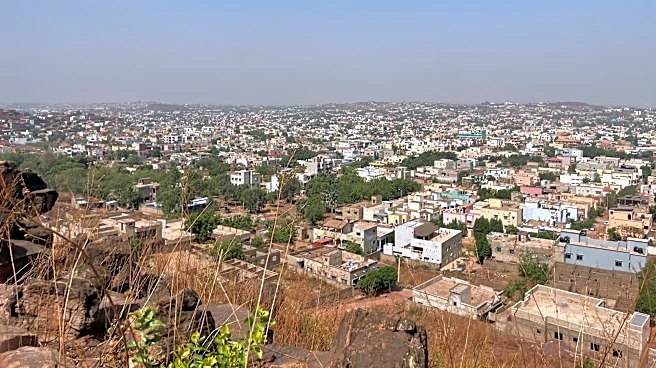
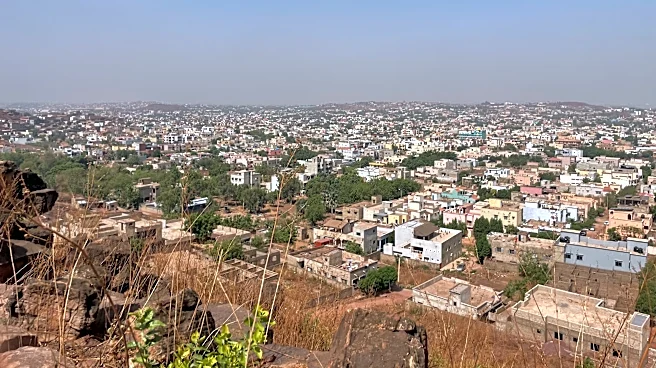
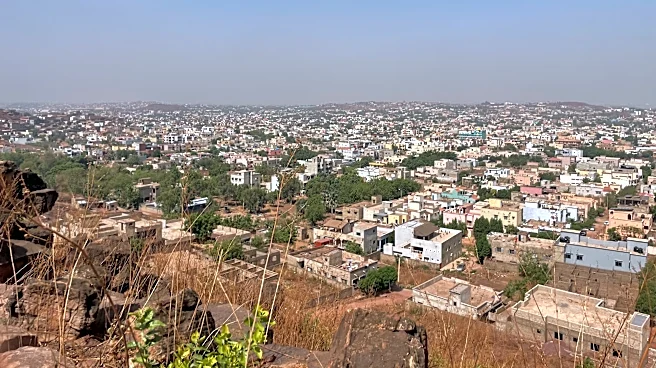
multiple cities, including Bamako's international airport and the garrison town of Kati. The attacks were carried out by al-Qaida-linked militants and the Azawad Liberation Front, resulting in significant unrest and the death of Mali's defense minister, Gen. Sadio Camara. Goita, in a televised address, vowed to continue military operations until security is restored. The U.S. Embassy in Mali issued a security alert due to potential terrorist movements in Bamako.
Why It's Important?
The attacks highlight the ongoing instability in Mali, a region already plagued by terrorism and separatist movements. The involvement of Russian forces, who are supporting Mali's junta, underscores the geopolitical complexities in the region, with Russia playing a significant role in Mali's security dynamics. The situation poses challenges for international relations, particularly for countries like the U.S., which have interests in counterterrorism and regional stability. The attacks could further destabilize the region, affecting local populations and potentially leading to increased displacement and humanitarian needs.
What's Next?
The Malian government, with Russian support, is likely to intensify military operations against the militant groups. The international community, including the U.S. and regional organizations, may increase diplomatic efforts to address the security situation. There could be further scrutiny of foreign involvement in Mali, particularly Russia's role, and its implications for regional security. The situation may also prompt discussions on international aid and support for Mali to address the humanitarian and security challenges.