
What's Happening?
The House Ways and Means Committee has unanimously approved a bipartisan bill aimed at modernizing the Internal Revenue Service's (IRS) tax return processing system. The Barcode Automation for Revenue Collection
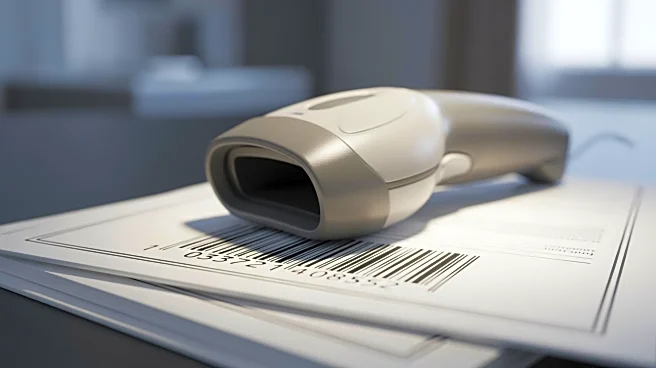
to Organize Disbursement and Enhance (BARCODE) Efficiency Act, co-sponsored by Representatives Brad Schneider and Rudy Yakym, mandates the use of barcode-scanning technology and optical character recognition (OCR) to digitize federal tax return information. This initiative targets electronically-prepared tax returns that are printed and filed in paper format, aiming to reduce processing delays and errors associated with manual data entry. The bill stipulates that if barcode technology proves slower or less reliable than existing methods, the IRS must report to Congress on its decision not to implement it.
Why It's Important?
The bill's passage is significant as it addresses longstanding inefficiencies in the IRS's handling of paper tax returns, which affects millions of taxpayers annually. By implementing barcode technology, the IRS can expedite the processing of tax returns, thereby reducing the time it takes for taxpayers to receive refunds. This modernization effort is crucial for improving customer service and operational efficiency within the IRS. The initiative also highlights the need for sustained investment in IRS technology and workforce to ensure effective taxpayer service. The bipartisan support for the bill underscores a shared commitment to enhancing government efficiency and taxpayer satisfaction.
What's Next?
Following the committee's approval, the bill will proceed to the House floor for further consideration. If passed, the IRS will need to implement the necessary technological upgrades to comply with the new requirements. This may involve training staff and acquiring new equipment to handle the barcode-scanning process. The IRS will also need to monitor the effectiveness of the technology and report any issues to Congress. Stakeholders, including taxpayers and tax professionals, will likely be interested in the bill's progress and its potential impact on tax filing procedures.