





What's Happening?
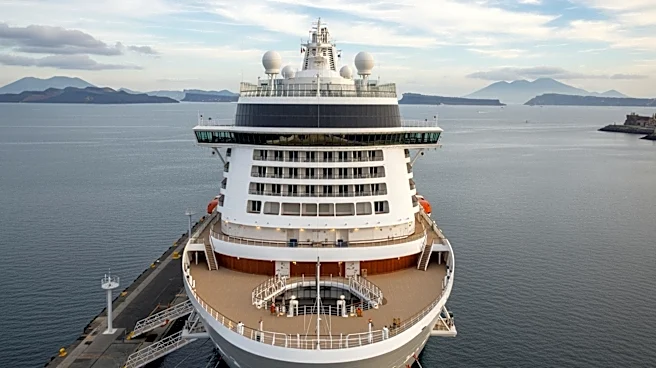
The Director-General of the World Health Organization (WHO), Dr. Tedros Adhanom Ghebreyesus, has issued a direct message to the people of Tenerife regarding the response to a hantavirus outbreak aboard the MV Hondius. The virus, identified as the Andes
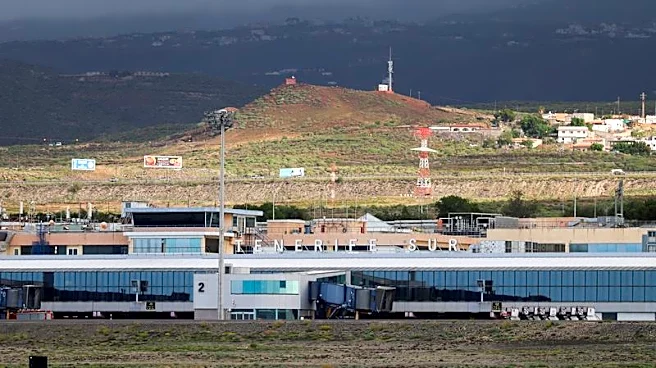
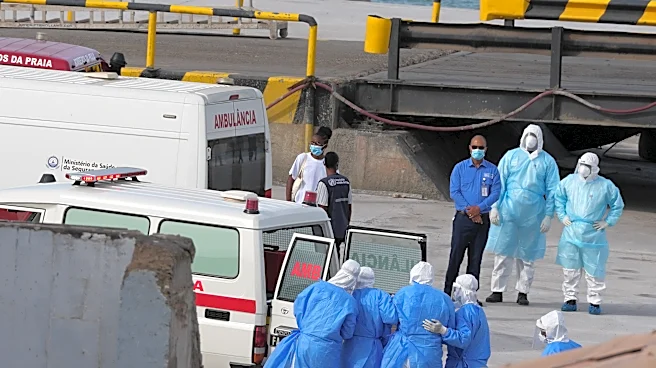
strain of hantavirus, has resulted in three fatalities. However, Dr. Tedros reassured the public that the risk to Tenerife residents is low, as there are no symptomatic passengers on board. The WHO has coordinated with Spanish authorities to ensure a safe and controlled disembarkation process at the industrial port of Granadilla, far from residential areas. The operation is in line with the International Health Regulations, emphasizing Spain's role in providing medical capacity and infrastructure for the affected passengers.
Why It's Important?
This response highlights the importance of international cooperation and solidarity in managing public health crises. Spain's decision to receive the MV Hondius is seen as an act of moral duty and solidarity, ensuring the safety and dignity of the passengers. The WHO's involvement underscores the need for a coordinated global response to health emergencies, reinforcing the principles of the International Health Regulations. The situation also serves as a reminder of the ongoing challenges posed by infectious diseases and the critical role of public health infrastructure in mitigating risks.
What's Next?
Dr. Tedros plans to visit Tenerife to observe the operation firsthand and to express gratitude to the local community and health workers involved. The WHO will continue to monitor the situation closely, providing support and guidance to ensure the safe repatriation of passengers. This incident may prompt further discussions on enhancing global health security measures and improving preparedness for future outbreaks. The WHO's commitment to transparency and communication with affected communities is likely to strengthen public trust and cooperation in managing health crises.