





What's Happening?
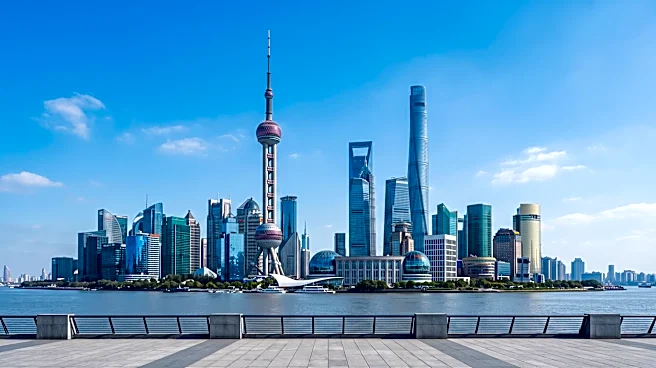
China's major urban centers are actively engaged in a 'talent war' to attract and retain Generation Z professionals. Historically, gaining residency and employment in cities like Beijing and Shanghai was challenging due to strict hukou (household registration)
systems and high living costs. However, these megacities are now implementing significant policy changes to appeal to younger generations. Beijing, for instance, has begun easing housing restrictions to alleviate financial burdens for recent graduates. Across the nation, cities are offering thousands of new job opportunities, subsidized living arrangements, and entrepreneurial grants specifically designed for Gen Z. This demographic is characterized by a desire for work-life balance, cultural vibrancy, and digital innovation, and they are increasingly unwilling to accept demanding work schedules without substantial lifestyle benefits. This shift marks a departure from past rigidities, transforming these cities into competitive recruiters focused on providing a high quality of life.
Why It's Important?
This aggressive recruitment strategy by Chinese megacities has significant implications for global talent markets and economic development. By actively courting Gen Z with incentives like eased housing restrictions, job opportunities, and entrepreneurial support, China is investing in its future workforce and innovation capacity. This approach could enhance China's competitiveness in technology, business, and other sectors by securing a skilled and digitally native workforce. For U.S. industries and businesses, this trend highlights the increasing global competition for young talent, particularly in STEM and digital fields. Companies operating internationally may need to re-evaluate their own strategies for attracting and retaining Gen Z employees, considering the emphasis this generation places on work-life balance, purpose-driven work, and supportive living environments. The success of China's efforts could also influence urban development policies in other countries seeking to attract and retain young professionals.
What's Next?
The competition among China's megacities for Gen Z talent is expected to intensify, leading to further policy innovations and incentives. Cities will likely continue to refine their offerings, focusing on aspects such as improved public services, cultural amenities, and sustainable urban living to differentiate themselves. This ongoing competition could result in a more dynamic and responsive urban environment for young professionals in China. Other countries and their major cities may observe these developments closely, potentially adopting similar strategies to attract and retain their own young talent pools. Businesses, both within China and globally, will need to adapt their recruitment and retention strategies to align with the evolving expectations of Gen Z, particularly regarding work-life balance and career development opportunities. The long-term success of these initiatives will depend on the cities' ability to consistently deliver on their promises and create environments where Gen Z can thrive professionally and personally.
Beyond the Headlines
The 'talent war' for Gen Z in China's megacities reflects a deeper societal and economic transformation. It signifies a recognition by urban planners and policymakers that human capital, particularly from younger generations, is crucial for sustained growth and innovation. This shift challenges traditional notions of urban development, moving beyond mere infrastructure expansion to focus on quality of life and individual well-being. Ethically, it raises questions about equitable access to these benefits and whether such policies might exacerbate disparities between megacities and smaller urban centers. Culturally, it underscores the changing values of Gen Z, who prioritize personal fulfillment and work-life integration over traditional career paths. This trend could lead to a redefinition of the 'ideal' urban experience, emphasizing flexibility, community, and purpose, which could have ripple effects on global urban planning and corporate culture.