




What's Happening?
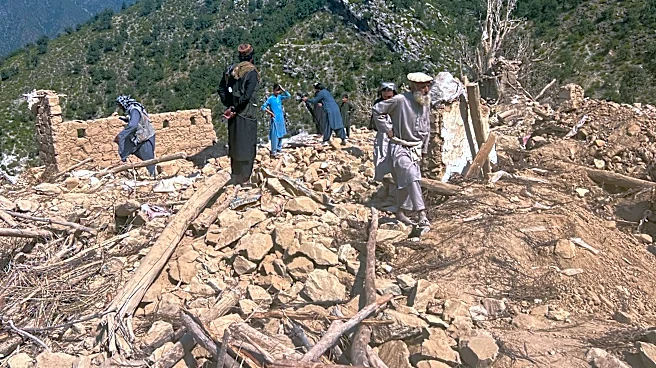
A new book titled 'The Last Free Women' by journalists Rebecca Blumenstein and Diana Kapp provides an in-depth account of the New York Times' efforts to evacuate over 200 Afghans following the Taliban's takeover of Kabul in 2021. The narrative focuses
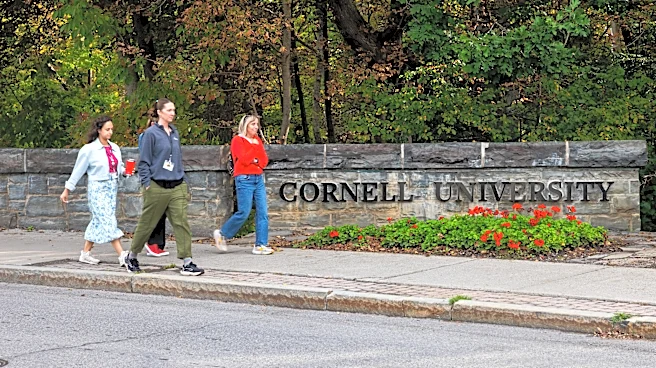
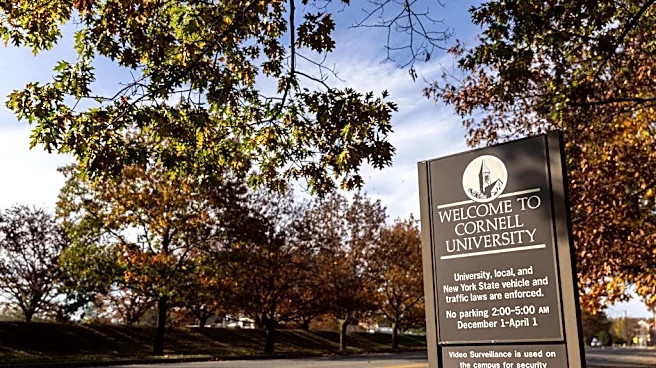
on the experiences of four young women who, after escaping Afghanistan, are now building new lives in America. Their journey involves learning English, pursuing higher education, and forging new identities, contrasting sharply with the limited opportunities for women in Afghanistan under Taliban rule. Mursal Rahim, one of the women featured in the book, recently earned a master's degree from Cornell University's Jeb E. Brooks School of Public Policy. The book highlights the personal challenges and triumphs of these women as they adapt to a new culture and strive for independence, while their home country continues to restrict women's rights and freedoms.
Why It's Important?
This book offers a crucial perspective on the human cost of geopolitical shifts and the enduring impact of the Taliban's resurgence on Afghan society, particularly on women. By detailing the experiences of these four women, 'The Last Free Women' underscores the stark contrast between life under the Taliban and the freedoms available in the United States. It sheds light on the resilience of individuals forced to flee their homes and the significant challenges they face in resettlement, including cultural assimilation and the pursuit of education and careers. The narrative also implicitly highlights the role of international organizations and media outlets in humanitarian efforts during crises. For American society, the book illustrates the contributions and struggles of new immigrant communities, fostering a deeper understanding of the diverse backgrounds and motivations of those seeking refuge and a new beginning in the U.S. It serves as a reminder of the ongoing global implications of conflicts and the importance of supporting displaced populations.
What's Next?
The publication of 'The Last Free Women' is likely to spark further discussions about the ongoing humanitarian situation in Afghanistan and the challenges faced by Afghan refugees globally, including those in the United States. The stories within the book may inspire increased support for organizations assisting refugees and advocating for women's rights in Afghanistan. Educational institutions and community groups might use the book as a resource to promote understanding and empathy towards immigrant populations. Furthermore, the book could encourage continued journalistic efforts to document the long-term impacts of the Taliban's rule and the experiences of those affected. The featured women, like Mursal Rahim, are expected to continue their personal and professional development, potentially becoming advocates for their communities and sharing their insights on resilience and adaptation in their new home.
Beyond the Headlines
Beyond the immediate narrative of escape and resettlement, 'The Last Free Women' delves into profound themes of identity, cultural adaptation, and the universal pursuit of freedom and opportunity. The women's experiences in America, such as learning English and re-entering academia, symbolize a broader struggle for self-determination and the reclamation of agency after living under oppressive regimes. The book implicitly raises questions about the responsibilities of international communities towards displaced populations and the long-term integration process for refugees. It also highlights the psychological and emotional toll of displacement and the courage required to rebuild a life from scratch in an unfamiliar environment. The contrast between the women's new lives and the continued suppression of women's rights in Afghanistan serves as a powerful commentary on human rights and the varying degrees of freedom across the globe, urging readers to consider the ethical dimensions of global crises and their personal impact.