








What's Happening?
The upcoming World Cup in the United States presents significant legal and ethical challenges related to hospitality and entertainment. The event's global appeal is expected to attract numerous government officials and employees of state-owned enterprises,
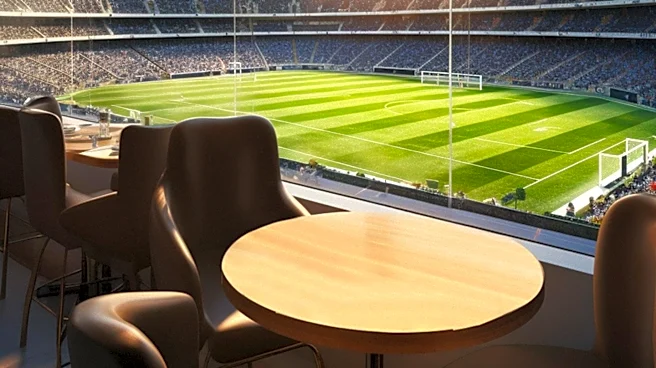
increasing the risk of violations under various U.S. laws such as the Foreign Corrupt Practices Act (FCPA), the Foreign Extortion Prevention Act (FEPA), and the Foreign Agents Registration Act (FARA). These laws prohibit offering anything of value to foreign officials to gain business advantages. The high cost of hospitality packages, which can include exclusive seating and private events, creates a concentrated risk environment. Companies involved in providing or receiving such hospitality must adhere to strict compliance policies to avoid legal repercussions.
Why It's Important?
The World Cup's presence in the U.S. amplifies the potential for legal scrutiny and enforcement actions under anti-corruption laws. The involvement of foreign officials in hospitality events could lead to allegations of bribery, triggering investigations and regulatory inquiries. This situation poses a significant risk to companies, as violations can result in severe penalties, including fines and reputational damage. The event also highlights the need for robust compliance measures to prevent unethical practices and ensure adherence to federal and state laws. Companies must be vigilant in monitoring hospitality arrangements to mitigate risks and avoid legal entanglements.
What's Next?
As the World Cup approaches, companies must implement comprehensive vetting and monitoring strategies for hospitality arrangements. This includes scrutinizing invitations, sponsorships, and travel arrangements to ensure compliance with applicable laws. Organizations should be prepared to respond swiftly to any potential issues, preserving records and conducting thorough investigations if necessary. The heightened scrutiny during the World Cup may lead to increased enforcement actions, making it crucial for companies to maintain transparency and adhere to ethical standards. Ongoing compliance training and awareness programs will be essential to navigate the complex legal landscape associated with the event.
Beyond the Headlines
The World Cup's legal implications extend beyond immediate compliance concerns, potentially influencing long-term corporate governance and ethical standards. The event may serve as a catalyst for broader discussions on the role of hospitality in business practices and the need for stricter regulations to prevent corruption. Additionally, the focus on anti-corruption measures could lead to increased collaboration between international and U.S. enforcement agencies, setting precedents for future global events. Companies may need to reassess their hospitality policies and practices to align with evolving legal and ethical expectations, ensuring sustainable business operations in a globalized environment.