



What's Happening?
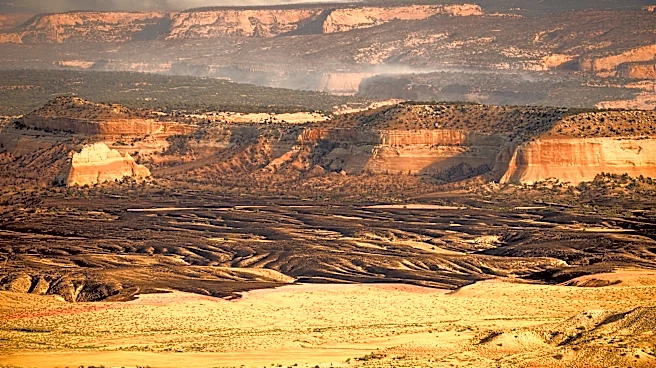
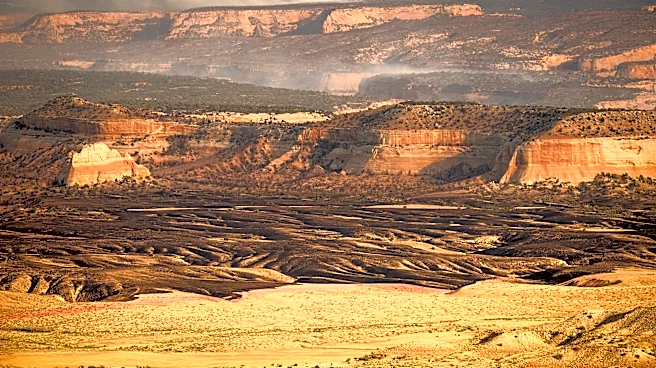
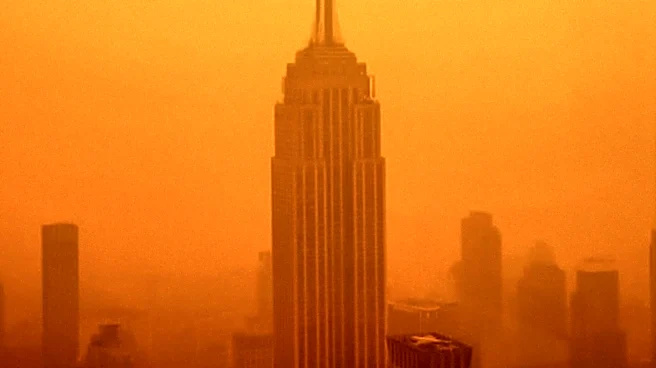
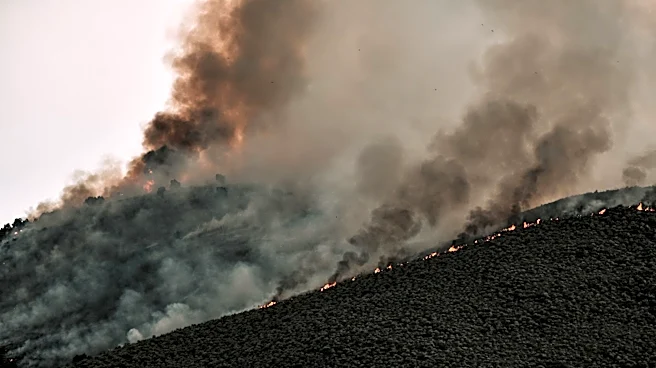
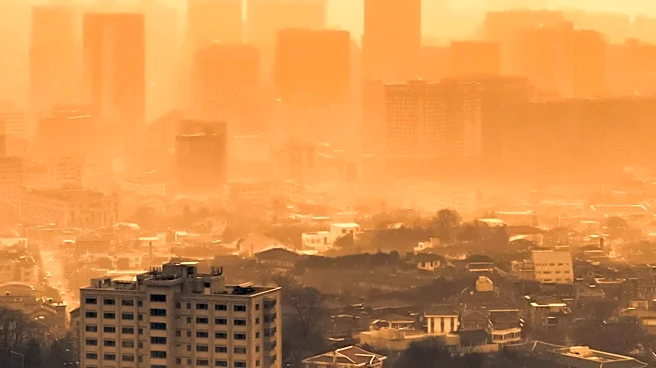
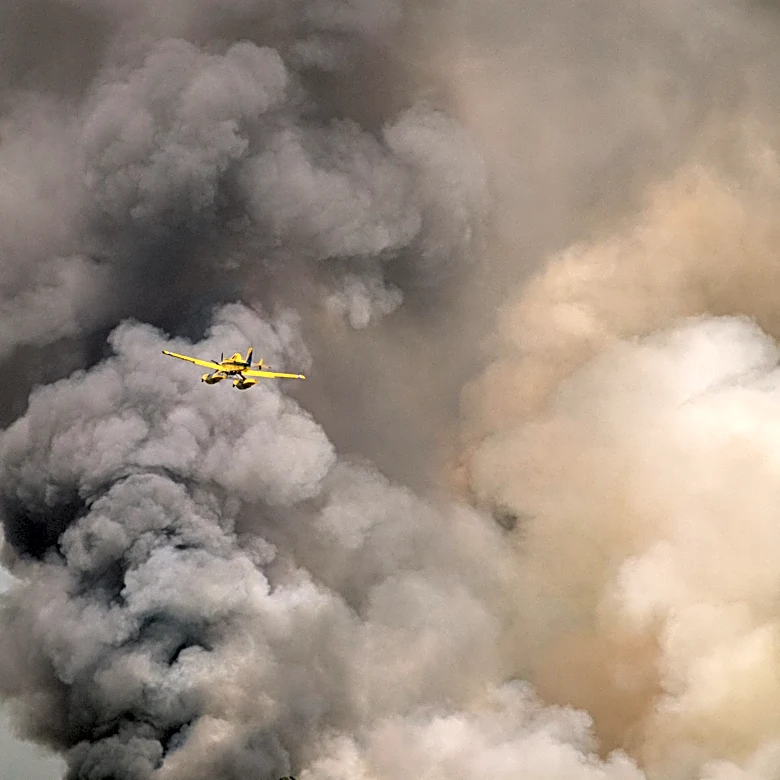
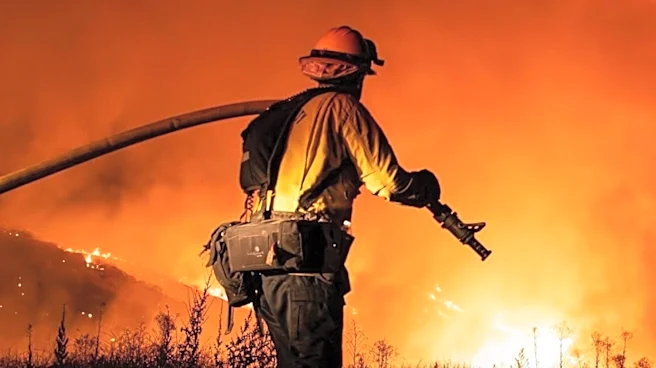
Air quality alerts have been issued across large areas of the western United States, including Oregon, Idaho, Washington, Montana, Colorado, and California, due to wildfire smoke and high ozone levels. According to data from AirNow, the Environmental
Protection Agency's monitoring platform, these conditions have resulted in 'unhealthy' air quality, primarily driven by smoke from ongoing fires in Canada and the Pacific Northwest. Residents in affected areas are advised to stay indoors, limit outdoor activities, and take precautions if they have respiratory conditions. The primary health threat comes from fine particulate matter, PM2.5, which can penetrate deep into lung tissue.
Why It's Important?
The air quality alerts highlight the growing impact of wildfires on public health and safety in the western U.S. The presence of PM2.5 poses significant health risks, particularly for vulnerable populations such as children, the elderly, and individuals with pre-existing respiratory conditions. The situation underscores the need for effective wildfire management and air quality monitoring to protect public health. Additionally, the alerts may influence policy discussions on climate change and environmental protection, as the frequency and intensity of wildfires are linked to changing climate conditions.
What's Next?
Federal and state officials are expected to continue monitoring air quality and provide updates as conditions evolve. Residents in affected areas are advised to frequently check local AQI readings and follow health advisories. As weather patterns shift, air quality may improve in some regions while deteriorating in others. Public health agencies will likely continue to recommend minimizing outdoor exertion and using indoor air filtration systems until alerts are lifted. The ongoing situation may prompt further discussions on long-term strategies to mitigate wildfire risks and improve air quality management.