





What's Happening?
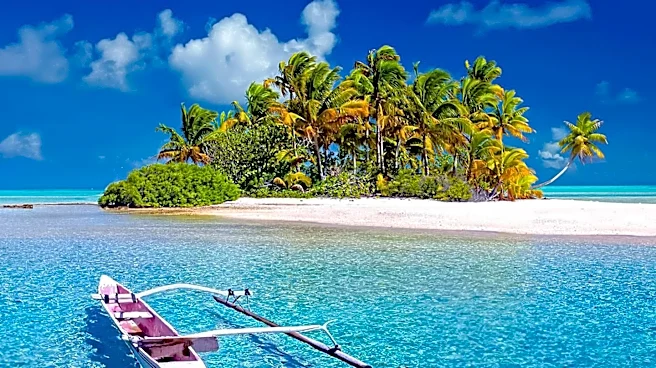
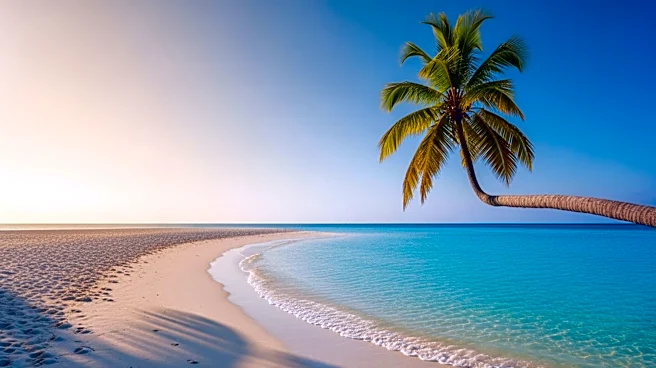
Greece has introduced new measures to protect 251 beaches from overtourism by incorporating them into the Natura 2000 network. These measures prohibit commercial activities such as sunbed rentals, loudspeakers, and beach bars, aiming to preserve the natural
environment. The initiative covers iconic beaches like Balos, Elafonisi, and Falassarna on Crete, as well as other locations across the Cyclades and neighboring archipelagos. The effort aligns with broader European goals to protect vital ecosystems and biodiversity, ensuring these areas remain pristine and accessible to the public.
Why It's Important?
The measures reflect a growing global awareness of the need for sustainable tourism practices. By prioritizing environmental preservation over commercial exploitation, Greece is setting a precedent for other tourist destinations facing similar challenges. This approach not only protects natural habitats and wildlife but also enhances the quality of the tourist experience by maintaining the beaches' natural beauty. The initiative could influence tourism policies worldwide, encouraging a shift towards more responsible and sustainable tourism models.
What's Next?
As the new regulations take effect, Greece will monitor their impact on both the environment and the tourism industry. The success of these measures could lead to their expansion to other areas and inspire similar actions in other countries. Tourists may need to adjust their expectations and embrace a more eco-friendly approach to beach visits. The initiative's long-term success will depend on effective enforcement and public cooperation, as well as continued efforts to balance tourism with environmental conservation.