







What's Happening?
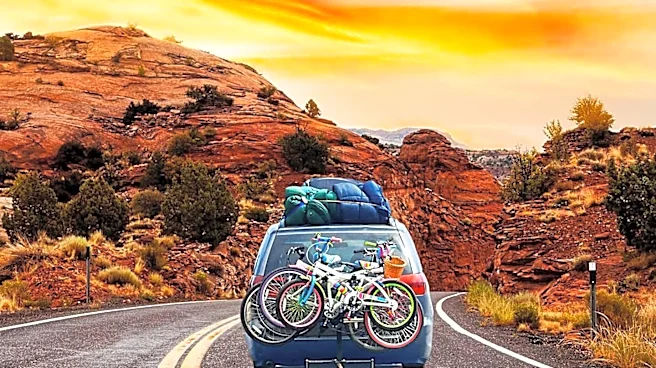
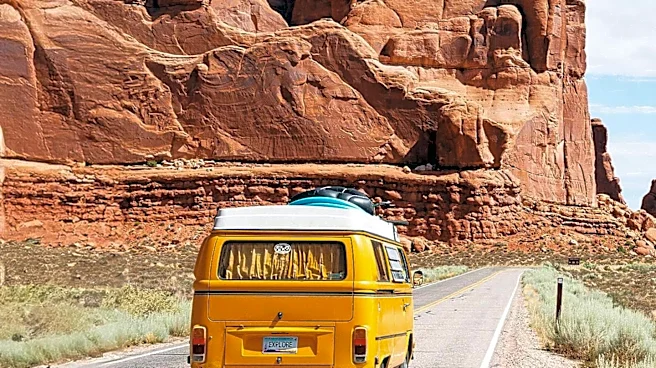
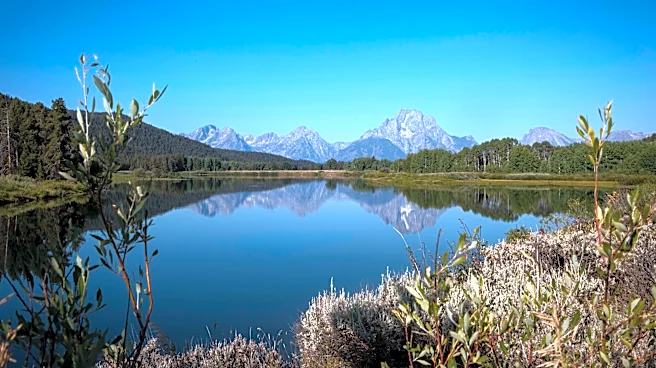
Wyoming road travel is gaining recognition as a premier experience for domestic exploration in the U.S., offering vast landscapes, mountain peaks, and a sense of freedom. The state, known for its 'Wide Open Spaces,' provides a unique opportunity for travelers
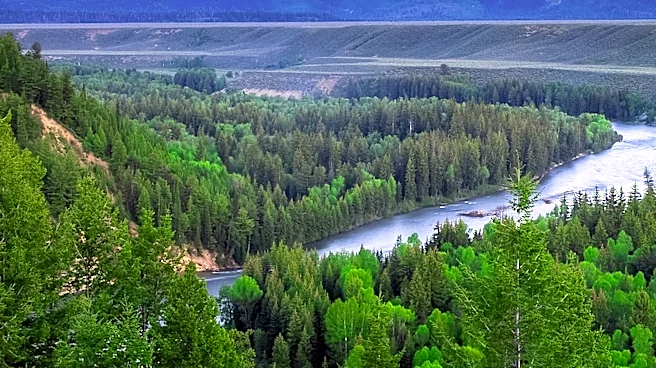
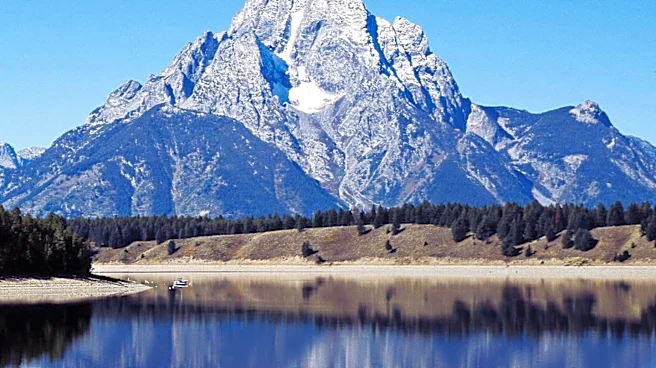
to disconnect from digital saturation and immerse themselves in diverse ecosystems and pioneer history. Popular itineraries include the National Park Loop, encompassing Yellowstone and Grand Teton National Parks, and the Beartooth Highway, often cited as one of America's most beautiful drives. The infrastructure in Wyoming is designed for drivers, with well-maintained highways that traverse high-altitude deserts, alpine lakes, and glacial peaks. Travelers are increasingly embracing 'slow travel,' taking time to explore local diners, small-town museums, and natural wonders like the Red Desert and Killpecker Sand Dunes, and Sink's Canyon State Park. Devils Tower National Monument in the northeastern part of the state also offers a distinct geographical experience.
Why It's Important?
The growing interest in Wyoming road travel highlights a broader trend in the U.S. tourism industry towards experiential and nature-based travel. This shift benefits local economies in Wyoming, particularly small towns and businesses that cater to travelers seeking authentic experiences beyond major landmarks. The emphasis on 'slow travel' encourages longer stays and deeper engagement with local culture, potentially leading to increased revenue for accommodations, restaurants, and local attractions. However, the unique challenges of Wyoming road travel, such as vast distances, unpredictable weather, and wildlife encounters, underscore the importance of responsible tourism and preparedness. The state's appeal as a destination for disconnecting and experiencing the American West also reflects a societal desire for solitude and natural beauty, offering a counterpoint to increasingly urbanized and digitally connected lifestyles.
What's Next?
As Wyoming road travel continues to grow in popularity, there will likely be an increased focus on promoting safety and responsible tourism practices. The Wyoming 511 app, which provides real-time updates on road conditions, will remain a crucial tool for travelers, especially given the state's unpredictable weather and high-wind warnings. Efforts to educate visitors about wildlife awareness and the importance of carrying emergency kits will also be vital. Local communities may see continued development of infrastructure and services to support the influx of road trippers, while maintaining the state's unique character. The seasonal nature of many scenic routes, such as the Beartooth Highway, will continue to influence travel planning, with fall potentially becoming an even more popular time due to stunning foliage and active wildlife. The ongoing appeal of 'slow travel' suggests that future tourism initiatives will likely emphasize immersive experiences and support for local businesses.
Beyond the Headlines
The allure of Wyoming road travel extends beyond scenic beauty, touching upon deeper cultural and psychological dimensions. The state's vast, unpopulated areas offer a rare opportunity for introspection and a return to a more fundamental connection with nature, contrasting sharply with the fast-paced, urbanized existence many Americans experience. This type of travel can foster a greater appreciation for the country's natural heritage and the importance of conservation. Ethically, the rise in tourism necessitates a delicate balance between economic development and environmental preservation, ensuring that the 'wild' character of Wyoming remains intact for future generations. Culturally, engaging with local communities and their unique traditions, from rodeos to huckleberry jam, reinforces regional identities and provides travelers with a more nuanced understanding of the American West, moving beyond stereotypical portrayals.