



What's Happening?
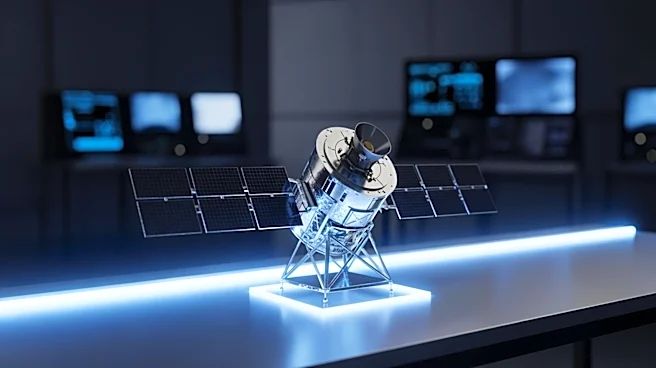
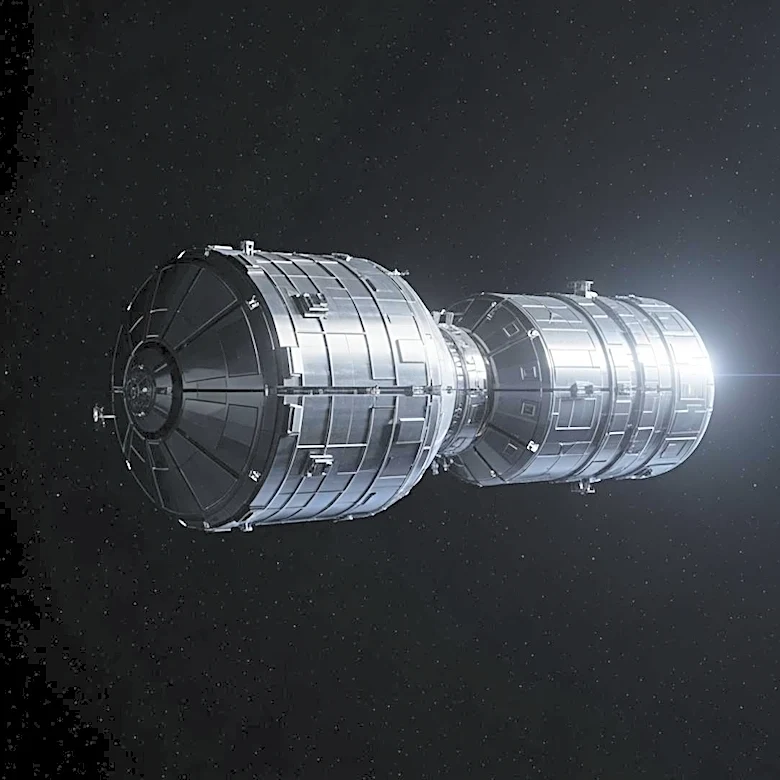
NASA is adjusting its approach to low Earth orbit (LEO) by moving from being a major investor to an incremental funder, focusing on a 'core module' rather than free-flying stations. This shift reflects a tempered view of future commercial demand in LEO,
particularly for in-space manufacturing. The U.S. government has not fully supported the necessary orbital infrastructure or established regulatory pathways to incentivize private investment. Despite the potential for significant advancements in microgravity-based manufacturing, such as biotechnology and pharmaceuticals, the lack of government support and regulatory clarity is hindering progress. The Trump administration is urged to prioritize investments and regulations to lead in this sector.
Why It's Important?
The development of a robust LEO economy is crucial for maintaining U.S. leadership in space and ensuring national security. In-space manufacturing holds the potential to revolutionize industries such as biotechnology, offering new treatments and innovations that are not possible on Earth. Without government support, the U.S. risks falling behind other countries, like China and European nations, which are increasing their investments in space. A thriving LEO economy could attract significant private investment, estimated at $50 billion, and drive technological advancements that benefit humanity.
What's Next?
For the U.S. to capitalize on LEO's potential, it must invest in infrastructure and regulatory frameworks that support in-space manufacturing. This includes creating orbital hubs and distributed production platforms. The FDA and other federal agencies need to align regulatory frameworks with in-space capabilities to spur drug development and innovation. The Trump administration is encouraged to collaborate across government agencies to develop a coherent strategy that links space, health, and advanced manufacturing, ensuring the U.S. remains competitive in the global space race.