






What's Happening?
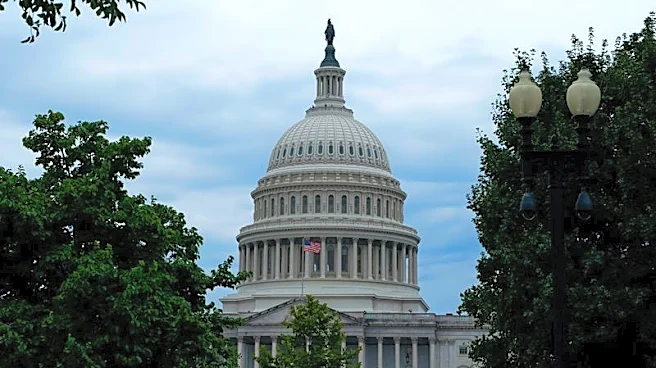
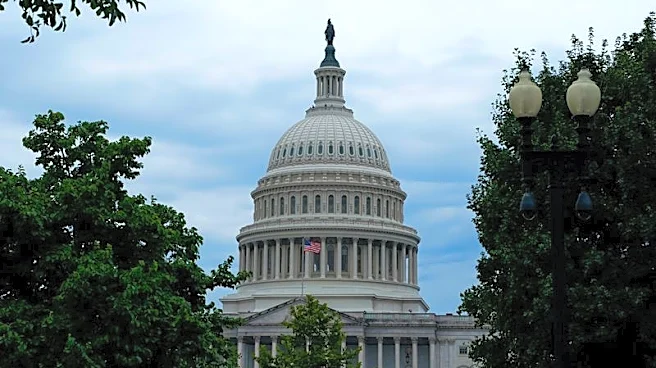
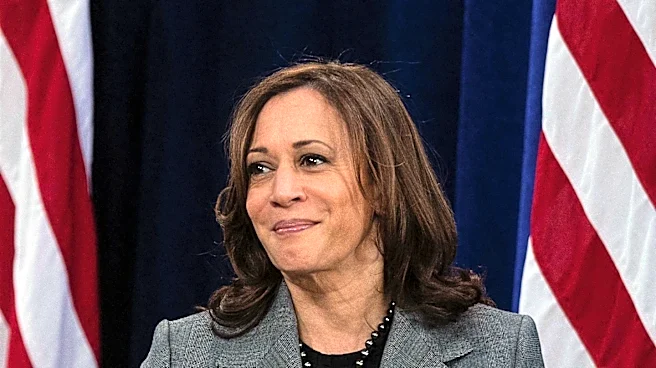
Former Vice President Kamala Harris has publicly advocated for expanding the United States Supreme Court to 13 justices. This proposal is gaining traction among Democrats who are pushing for court reform to counter what they perceive as a conservative
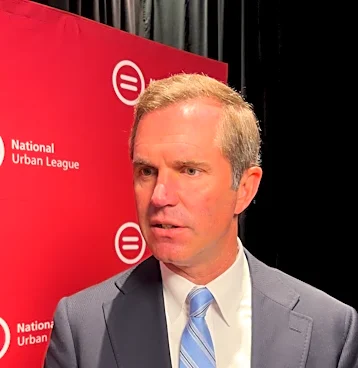
bias in the current nine-member court. Harris made these remarks at the National Urban League’s annual conference in Nashville, emphasizing the need to align the number of justices with the 13 circuit courts in the federal judiciary. Her stance marks a more assertive position compared to her 2020 presidential campaign, where she expressed openness to discussing court expansion. The current composition of the Supreme Court includes six justices appointed by Republican presidents, three of whom were selected by President Trump.
Why It's Important?
The proposal to expand the Supreme Court is significant as it reflects ongoing debates about the balance of power within the U.S. judiciary. Democrats argue that increasing the number of justices could mitigate the conservative influence on the court's decisions, which they believe does not reflect the broader political landscape. This move could have far-reaching implications for future rulings on key issues such as voting rights, healthcare, and environmental regulations. The discussion also highlights broader calls for institutional reforms, including changes to the Electoral College and statehood for Puerto Rico and Washington, D.C. The outcome of this debate could shape the judicial landscape for decades, affecting how laws are interpreted and applied across the country.
What's Next?
As the debate over Supreme Court expansion continues, it is likely to become a focal point in the lead-up to the 2028 presidential election. Potential candidates, including former Transportation Secretary Pete Buttigieg and Rep. Alexandria Ocasio-Cortez, have expressed support for increasing the number of justices. Meanwhile, California Governor Gavin Newsom, who has been skeptical of the idea, appears to be reconsidering his stance. The proposal will likely face significant opposition from Republicans and conservative groups who argue that it could undermine the court's independence. The discussion may also prompt legislative efforts to formalize changes to the court's structure, though such measures would require significant political consensus to pass.