



What's Happening?
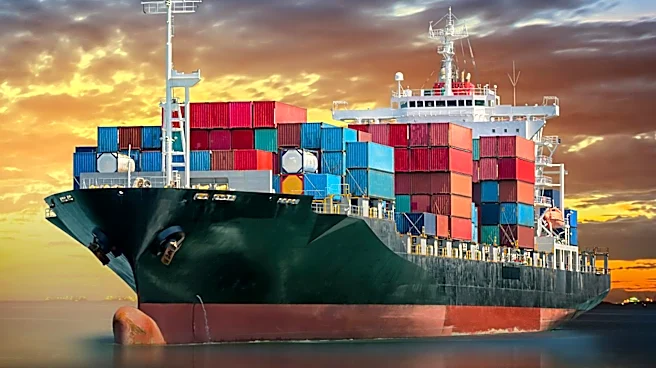
The Consultative Shipping Group (CSG), an informal cooperation body of 18 major shipping nations, has issued a public statement titled “In defence of free shipping,” highlighting a significant structural shift in global maritime trade. The CSG, which
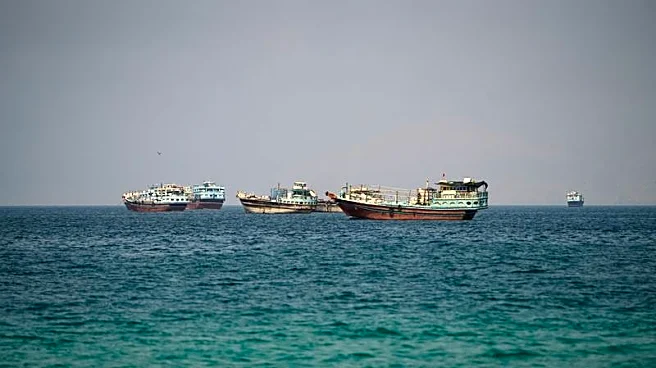
includes key maritime economies like Greece, Japan, and Singapore, warns that geopolitical risks such as wars, contested chokepoints, and the emergence of a 'shadow fleet' are fragmenting the established rules of global shipping. This fragmentation is creating a two-tier system: one governed by international rules and another operating with opacity, outside conventional insurance, safety, and transparency frameworks. The group emphasizes that over 80% of worldwide trade relies on maritime transport, making these developments critical for global supply chains, food security, and energy security. The CSG's rare public intervention signals growing concern among leading maritime authorities about the erosion of foundational principles like freedom of navigation, open markets, and fair competition.
Why It's Important?
The CSG's warning is crucial because it indicates that the disruptions seen in recent years—from the COVID-19 pandemic to conflicts in the Middle East and the emergence of a shadow fleet—are not isolated incidents but rather symptoms of a fundamental change in the global shipping environment. This shift poses substantial risks to the predictability and stability of international trade. For the U.S. and its economic stakeholders, this could translate into increased shipping costs, longer transit times, and greater supply chain vulnerabilities. Industries reliant on global trade, from manufacturing to retail, could face higher operational expenses and reduced efficiency. The fragmentation of rules and the rise of unregulated shipping could also create unfair competitive advantages for some operators, undermining the level playing field that has historically governed maritime commerce. The U.S., as a major trading nation, relies heavily on a stable and predictable global shipping system, and any systemic disruption could have far-reaching economic consequences.
What's Next?
The CSG is calling on all maritime nations to actively support the principles governing international shipping, starting with freedom of navigation and adherence to legal and regulatory frameworks established by multilateral institutions like the International Maritime Organization (IMO) and the United Nations Convention on the Law of the Sea (UNCLOS). The group advocates for consistent application of existing international rules across jurisdictions, enhanced transparency, and improved information exchange among authorities. They also urge governments to provide continued political support for common international standards, rejecting unilateral national measures that could further fragment the industry. Future discussions will likely focus on how maritime nations, including the U.S., can better align their policies and enforcement efforts to counter the growing risks of fragmentation and maintain a rules-based global shipping system. The CSG's public stance may prompt increased diplomatic efforts and policy coordination among its member states and other maritime stakeholders.
Beyond the Headlines
The CSG's statement highlights a deeper challenge to the international order: the erosion of multilateralism and the rise of unilateral actions in critical global sectors. The emergence of a 'shadow fleet' operating outside established norms not only poses immediate safety and environmental risks but also undermines the very concept of a unified global regulatory system. This development could lead to a 'race to the bottom' in terms of standards, as compliant operators face economic disadvantages against those who circumvent rules. Ethically, it raises questions about accountability and responsibility when vessels operate without proper oversight. Legally, it challenges the enforcement capabilities of international bodies and national authorities. Culturally, it signifies a potential shift away from the cooperative spirit that has underpinned global trade for decades, moving towards a more fractured and less predictable maritime landscape, which could have long-term implications for global governance and international relations.