






What's Happening?
Lexington's General Government and Planning Committee has approved significant amendments to the city's zoning ordinance concerning drive-thru facilities and drive-up windows. These changes, the first major update since 1983, differentiate between various
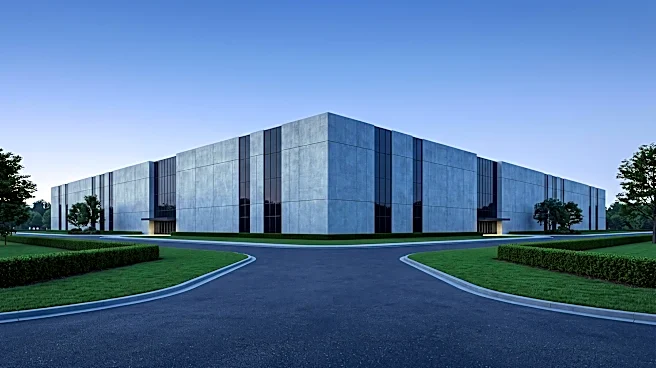
types of drive-through operations, such as quick-service restaurants, banks, pharmacies, and dry cleaners, each with specific vehicle stacking requirements. The previous 'one-size-fits-all' approach mandated five stacking spaces for all drive-thrus, regardless of their actual needs. The new regulations, influenced by Kentucky House Bill 443 passed in 2024, aim to provide more tailored requirements. For instance, quick-service restaurants will now need six stacking spaces for the first lane and three for each additional lane, while banks and pharmacies will require three spaces. Drive-up windows, like those for pickup restaurants, will also need three stacking spaces. Planning Services Manager Traci Wade indicated that these updated standards would apply to approximately 90 percent of current drive-thru operations, with many high-usage facilities already exceeding the proposed requirements. Additionally, the committee addressed pedestrian safety by restricting stacking to prevent vehicles from blocking parking spaces or entering the right-of-way. Separately, the council voted to halt data center approvals until October 31, 2026, to review local regulations.
Why It's Important?
These updated regulations are important for several reasons, primarily impacting urban planning, local businesses, and traffic management in Lexington. For businesses, particularly quick-service restaurants and financial institutions, the new, more specific stacking requirements could necessitate adjustments to their property layouts and operational flows. While some high-volume establishments may already meet or exceed these new standards, others might face compliance costs or design challenges. The differentiation in requirements reflects a more nuanced understanding of varying business needs, potentially leading to more efficient use of space and reduced traffic congestion around these facilities. The emphasis on pedestrian safety, by preventing vehicles from blocking sidewalks or roadways, is crucial for improving urban walkability and reducing accident risks. This regulatory overhaul also signals a proactive approach by the city to modernize its zoning laws in response to contemporary business practices and state legislation, moving away from outdated standards that no longer served the community effectively. The temporary halt on data center approvals highlights a broader concern about managing rapid technological development within the city's existing infrastructure and regulatory framework, indicating a cautious approach to growth that prioritizes comprehensive planning.
What's Next?
Following the committee's approval, the proposed zoning ordinance amendments will likely proceed through the remaining stages of the legislative process within the Lexington City Council for final adoption. Once enacted, businesses with drive-thru or drive-up operations will need to assess their current setups against the new stacking and safety requirements. This may involve consultations with city planning departments, potential architectural modifications, or operational adjustments to ensure compliance. The city will also need to develop clear guidelines and enforcement mechanisms for these new rules. For data centers, the moratorium on approvals until October 31, 2026, means that the city will undertake a thorough review of local regulations pertaining to these facilities. This period will likely involve public hearings, expert consultations, and the drafting of new policies to address the specific challenges and opportunities presented by data center development. Stakeholders, including developers, environmental groups, and local residents, will likely engage in discussions to shape the future regulatory landscape for data centers in Lexington. The Winchester Road Corridor Study will also continue, with a public open house scheduled to gather community input on transportation and land-use planning.
Beyond the Headlines
The update to Lexington's drive-thru regulations, while seemingly administrative, reflects deeper shifts in urban development and consumer behavior. The move away from a 'one-size-fits-all' approach acknowledges the increasing diversity of drive-through services, from traditional fast food to modern pickup-only restaurants and specialized services like pharmacies. This regulatory evolution highlights the growing importance of convenience and efficiency in consumer expectations, which in turn shapes commercial real estate and urban design. The inclusion of pedestrian safety measures underscores a broader societal trend towards creating more walkable and human-centric urban environments, even as vehicle-centric services expand. Furthermore, the decision to halt data center approvals points to a critical emerging challenge for many cities: how to integrate large-scale, resource-intensive technological infrastructure into existing urban fabrics without compromising local resources or community character. This pause suggests a recognition of the long-term environmental, economic, and social impacts of such developments, prompting a more deliberate and comprehensive planning approach rather than reactive approvals. This could set a precedent for how Lexington, and potentially other cities, manage the intersection of technological advancement and sustainable urban growth.