


What's Happening?
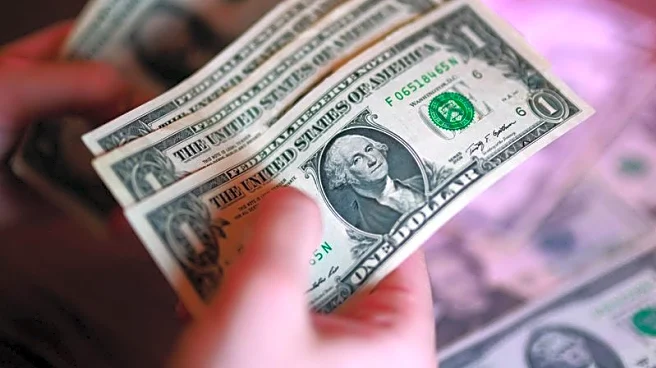
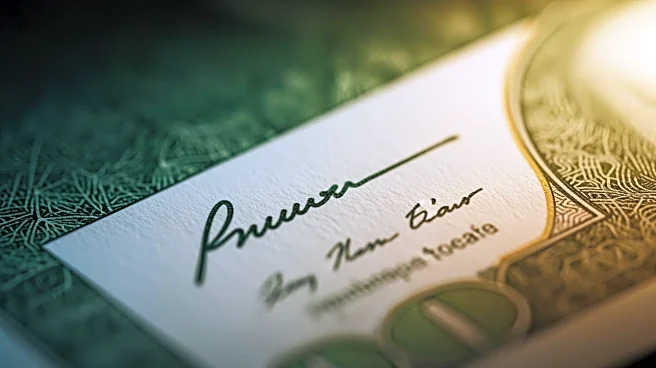
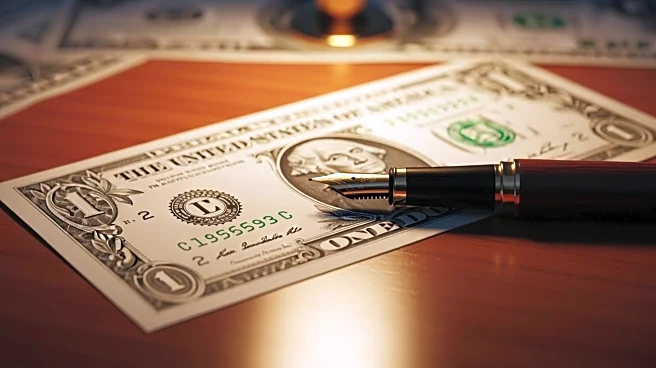
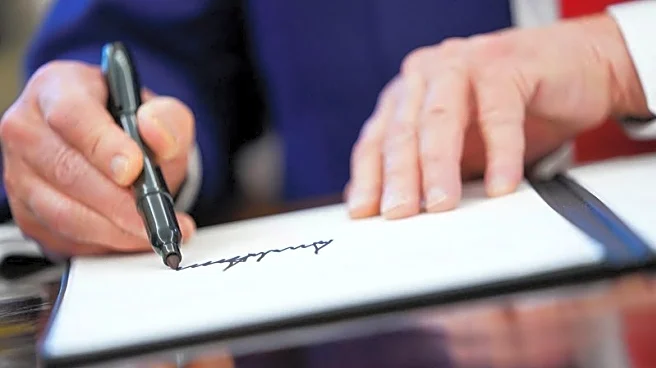
President Donald Trump will become the first sitting U.S. president to have his signature on the country's paper currency, replacing the U.S. Treasurer's signature. This change, announced by the U.S. Treasury Department, marks a departure from a 165-year
tradition. The decision is part of a tribute to the upcoming 250th anniversary of the United States. The first $100 bills featuring Trump's signature are expected to be printed in June, with other denominations following. The overall design of the bills will remain unchanged, with Trump's signature replacing that of the current U.S. Treasurer, Brandon Beach.
Why It's Important?
This unprecedented move by President Trump to place his signature on U.S. currency could have significant implications for the perception of presidential influence over national symbols. Traditionally, the signatures on currency have been those of Treasury officials, maintaining a separation between the presidency and the nation's financial instruments. By altering this tradition, the administration may be signaling a shift in how presidential legacy is intertwined with national identity. This decision could spark debate over the appropriateness of such changes and their impact on the historical and cultural significance of U.S. currency.
What's Next?
As the new bills enter circulation, public and political reactions are likely to emerge. Supporters may view this as a fitting tribute to President Trump's economic policies, while critics could argue it undermines the non-partisan nature of national symbols. The rollout of the new currency will be closely watched, and any logistical challenges or public feedback could influence future decisions regarding presidential involvement in national symbols. Additionally, this change may prompt discussions about the role of tradition in modern governance and the balance between honoring history and embracing change.