
What's Happening?
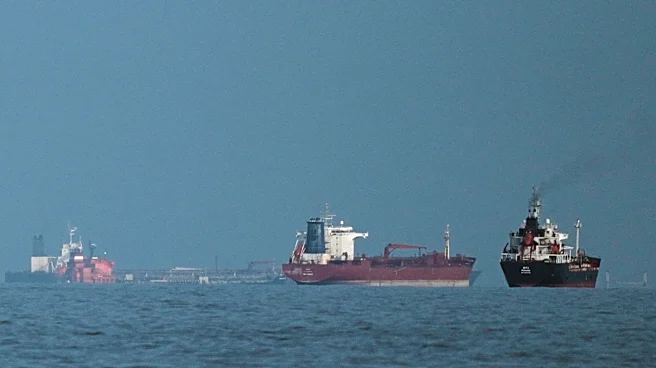
The ongoing conflict in the Middle East is impacting U.S. water utilities' ability to maintain recommended fluoride levels in drinking water. Israel, a major exporter of fluorosilicic acid, is experiencing
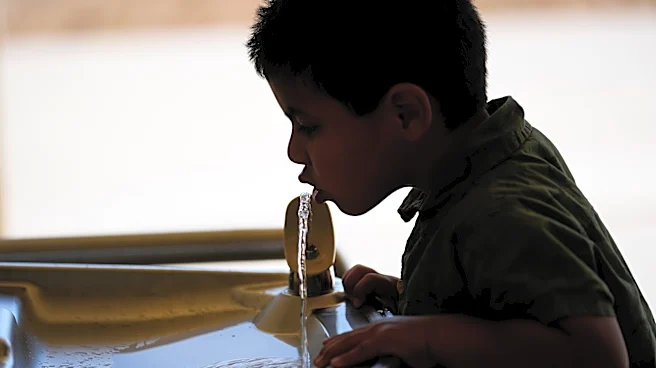
production challenges due to workforce shortages as many employees are called into military service. This has led to supply disruptions affecting several U.S. water utilities, including WSSC Water in Maryland, which serves 1.9 million customers. The utility has reduced fluoride levels in its water supply, and other communities may face similar shortages as the conflict continues. Despite the shortage, experts like Dr. Scott Tomar from the American Dental Association advise that short-term reductions in fluoride levels are unlikely to pose significant health risks.
Why It's Important?
Fluoride in drinking water is a critical public health measure to prevent tooth decay, and disruptions in its supply could have long-term health implications, particularly for children. The shortage highlights the vulnerability of global supply chains to geopolitical conflicts and the potential impact on essential public services. As fluoride levels drop, communities may need to explore alternative measures to maintain oral health, such as increased use of fluoride toothpaste and regular dental check-ups. The situation also underscores the importance of diversifying supply sources to mitigate the impact of international conflicts on domestic utilities.
What's Next?
Water utilities affected by the fluoride shortage will need to manage their existing supplies carefully while seeking alternative sources or solutions to maintain fluoride levels. Public health officials may need to provide guidance to communities on maintaining oral health during the shortage. The situation could prompt a reevaluation of supply chain dependencies and encourage the development of more resilient systems to prevent similar disruptions in the future.