






What's Happening?
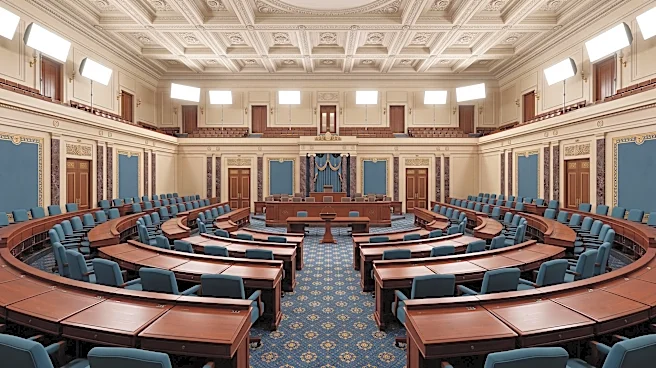
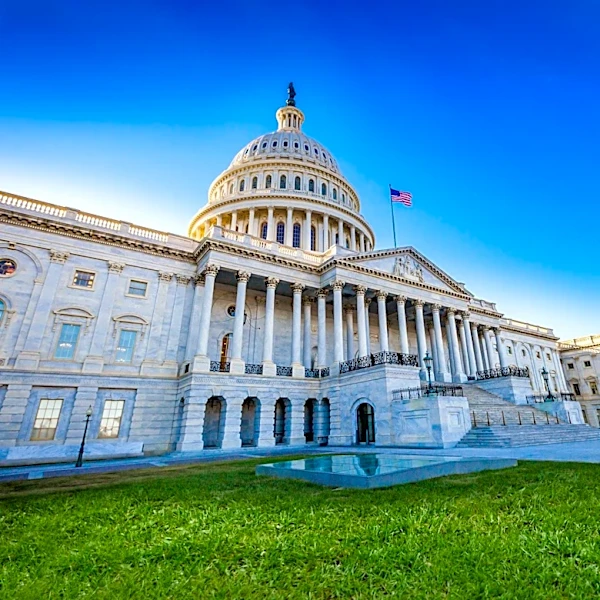
U.S. Senator Mike Crapo has been a vocal advocate for expanding the Radiation Exposure Compensation Act (RECA) to include individuals affected by past U.S. nuclear tests. In July 2023, Senator Crapo spoke on the Senate floor, emphasizing the need to compensate
'forgotten victims' of these tests, particularly those in areas like Idaho, New Mexico, and Utah, as well as certain counties in Arizona and Nevada. These regions, often referred to as 'downwinders,' experienced higher rates of cancer and illness due to radioactive particles dispersed into the atmosphere from tests conducted in New Mexico in 1945 and at the Nevada Test Site in the 1950s and 1962. In 2025, RECA was reauthorized under the One Big Beautiful Bill Act, which broadened its eligibility criteria. This reauthorization allows individuals diagnosed with specific cancers, who lived in Idaho for at least a year between January 1951 and November 1962, or all of July 1962, to potentially qualify for a $100,000 compensation payment. The Sandpoint Library and the University of Idaho Library's Special Collections and Archives Department are assisting residents in accessing documentation to prove their residency during the qualifying periods.
Why It's Important?
The expansion of RECA is a significant development for thousands of Americans who have suffered health consequences from U.S. nuclear testing. For decades, many individuals in 'downwinder' communities have lived with the devastating effects of radiation exposure, often without adequate recognition or support. This reauthorization acknowledges the long-term health impacts of these historical events and provides a pathway for financial relief to those affected. The compensation can help cover medical expenses, lost income, and provide a measure of justice for individuals and families who have borne the burden of these tests. It also highlights the ongoing responsibility of the U.S. government to address the consequences of its past actions, particularly when they have led to widespread environmental contamination and public health crises. The involvement of local institutions like libraries in assisting with documentation underscores the community-level impact and the collective effort required to navigate such complex compensation processes.
What's Next?
Individuals who believe they are eligible for compensation under the expanded RECA can now begin the process of filing a claim. They must demonstrate physical presence in an affected area for a specified period and provide proof of diagnosis with a compensable disease. Resources are available through the Department of Justice website for additional information on qualifications, and a registration form is provided by Downwinders.com to initiate the claims process. Following the completion of the form, a Downwinders office in the relevant state will contact applicants to guide them through the necessary steps. This suggests a period of increased activity in claims processing and a focus on assisting affected individuals in gathering the required documentation. The reauthorization of RECA also sets a precedent for future considerations of historical environmental and health impacts from government activities.
Beyond the Headlines
The reauthorization of RECA and the advocacy by Senator Crapo bring to light the enduring legacy of the Cold War era and the often-unforeseen consequences of scientific and military advancements. Beyond the immediate financial compensation, this act serves as a crucial recognition of the human cost associated with national security endeavors. It raises broader ethical questions about governmental transparency, public health safeguards, and the long-term accountability for environmental contamination. The 'downwinder' narrative underscores the vulnerability of civilian populations to large-scale government projects and the importance of robust public health monitoring and support systems. This development could also influence future policy discussions regarding compensation for other historical injustices or environmental disasters, setting a precedent for how the U.S. addresses the health and welfare of its citizens impacted by past governmental actions.