





What's Happening?
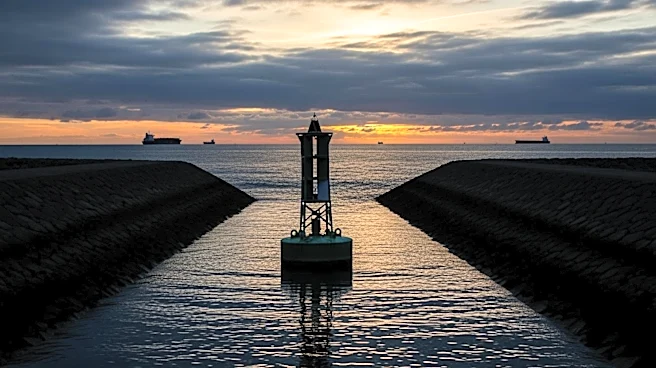
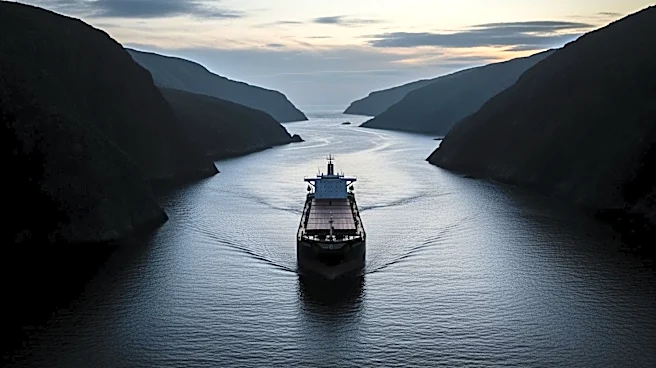
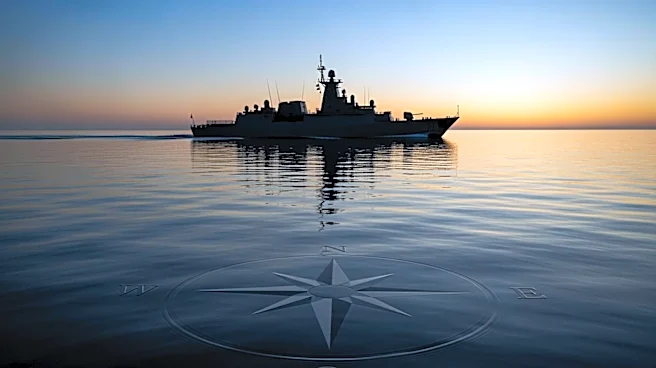
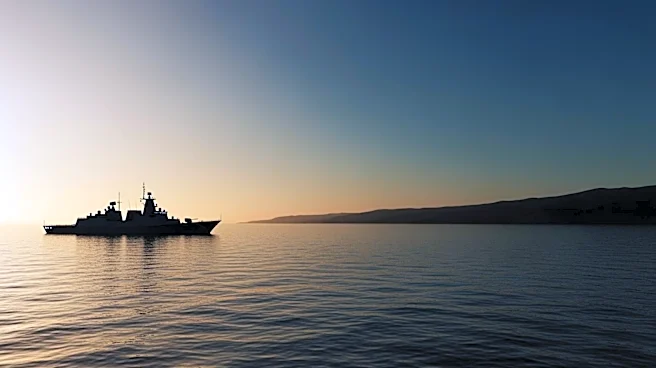
President Trump has announced a U.S. naval blockade of the Strait of Hormuz, a critical chokepoint for global oil traffic, following failed negotiations with Iran. The blockade aims to prevent Iran from profiting off tolls charged to ships passing through
the strait, which Iran had previously blocked in response to U.S.-Israeli strikes. The move marks a significant escalation in tensions, as the strait is vital for the transport of oil and other resources. Critics argue that the blockade could exacerbate the global energy crisis and question its effectiveness in pressuring Iran.
Why It's Important?
The blockade of the Strait of Hormuz by the U.S. could have far-reaching implications for global energy markets, as the strait is a major transit route for oil. The decision reflects ongoing geopolitical tensions and could lead to further instability in the region. The blockade may also impact U.S. domestic energy prices and has already drawn criticism from political figures concerned about its potential to worsen the energy crisis. The situation underscores the complexities of international diplomacy and the challenges of balancing military actions with economic consequences.