


What's Happening?
The White House and the Department of Transportation (DOT) have formally requested Congress to approve an additional $30.1 billion to modernize the United States' airports and air traffic control (ATC) system. Transportation Secretary Sean Duffy and Office
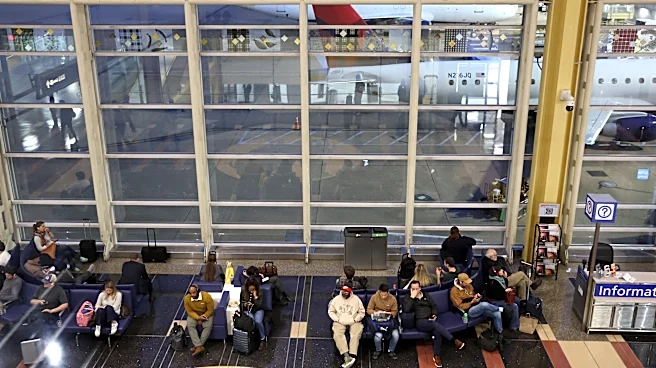
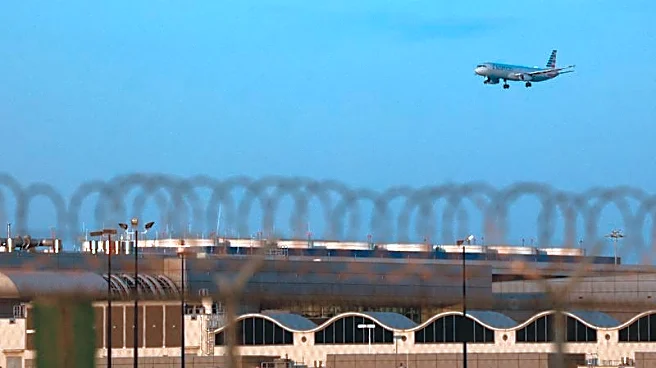
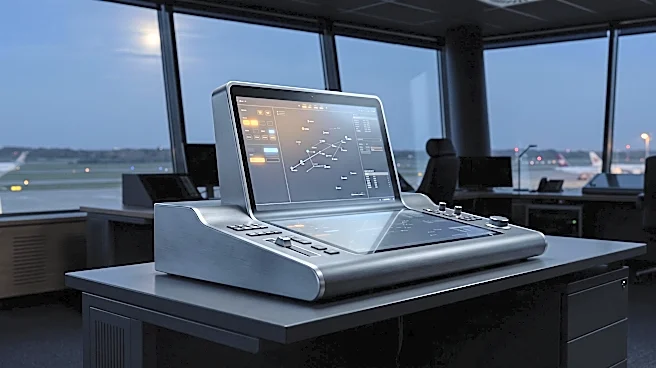
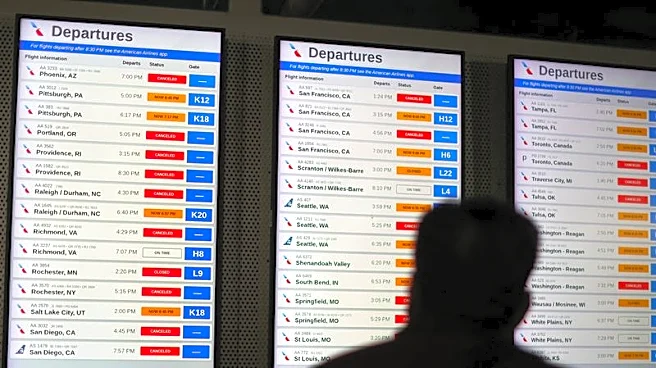
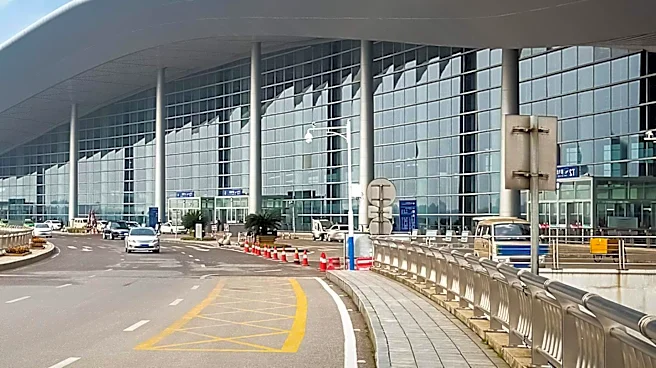
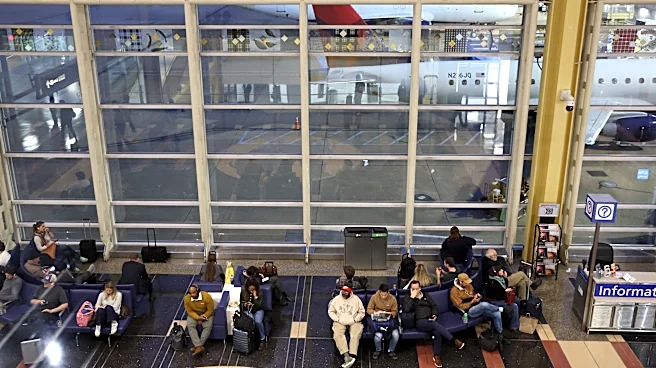
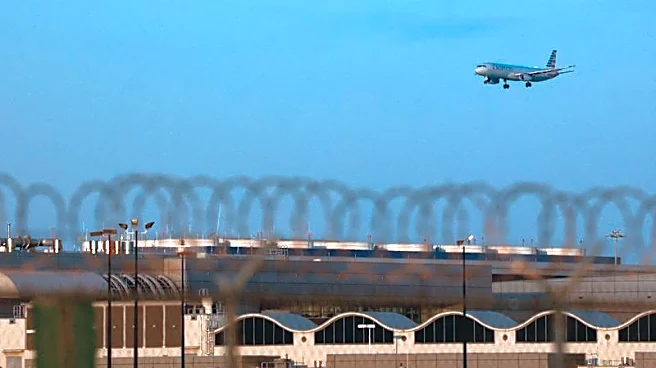
of Management and Budget Director Russell Vought sent a letter to lawmakers, emphasizing the critical need for this investment to complete the modernization of the national airspace. The proposed funding includes $7.2 billion for a common automation platform and controller workstations, $2 billion for cloud computing, and another $2 billion to replace and improve Federal Aviation Administration (FAA) air traffic control towers. Additionally, $18 billion is earmarked for airport-related projects, with $10 billion specifically for modernizing or replacing aging terminals. This request follows a previous congressional approval of $12.5 billion over five years in July 2025 for ATC upgrades and increased controller hiring, which was prompted by concerns over airport congestion, flight delays, and technology issues, including a midair collision in January 2025 at Ronald Reagan Washington National Airport that resulted in 67 fatalities. The FAA has already replaced 68% of its legacy copper telecommunications network with high-speed fiber infrastructure, and major airlines like American Airlines, Delta Air Lines, United Airlines, and Southwest Airlines have voiced their support for the new funding request.
Why It's Important?
This substantial funding request underscores a critical need to address the aging infrastructure of the U.S. air transportation system, which directly impacts national safety, economic efficiency, and global competitiveness. The modernization of air traffic control and airport facilities is essential for preventing future incidents like the midair collision that killed 67 people, ensuring the safety of millions of air travelers. Economically, an efficient air travel system is vital for business and tourism, as delays and cancellations can lead to significant financial losses for airlines, businesses, and individual travelers. The proposed investment in high-speed fiber infrastructure and cloud computing will enhance the resilience and capacity of the national airspace, reducing congestion and improving flight punctuality. Furthermore, the support from major U.S. airlines highlights the industry-wide recognition of the urgency and necessity of these upgrades, indicating a unified front in advocating for a more robust and reliable air travel system. Failure to secure this funding could perpetuate existing problems, leading to continued operational inefficiencies, increased safety risks, and a potential hindrance to economic growth.
What's Next?
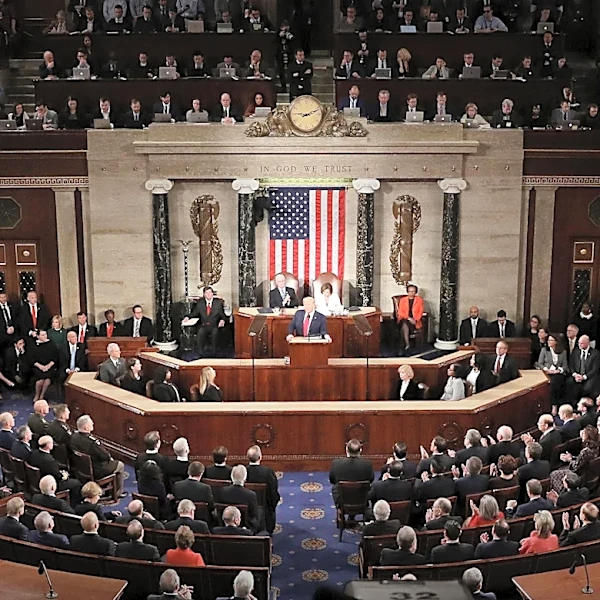
The request for $30.1 billion will now move to Congress for consideration and approval. Lawmakers will need to evaluate the proposed allocation of funds, balancing the urgent need for infrastructure upgrades with budgetary constraints. The support from major airlines and the White House indicates a strong push for swift action, but the legislative process can be complex and time-consuming. If approved, the funding will facilitate the continued replacement of outdated technology, the deployment of advanced automation platforms, and the construction or renovation of critical airport infrastructure. The FAA will likely continue its efforts to transition from legacy copper networks to fiber infrastructure, further enhancing the reliability of communication systems. The outcome of this congressional decision will significantly influence the future trajectory of U.S. air travel, determining whether the nation can effectively address its long-standing infrastructure challenges and maintain a competitive and safe air transportation system.