







What's Happening?
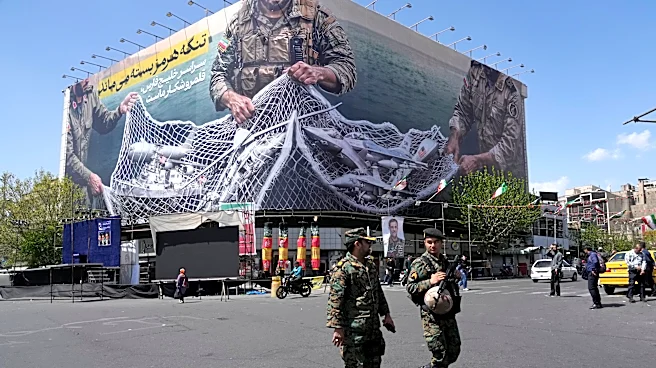
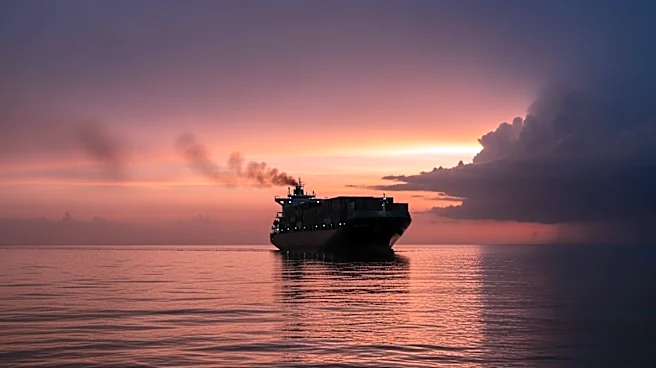
The ongoing situation in the Persian Gulf, particularly the closure of the Strait of Hormuz, underscores the persistent interconnectedness of global markets, including those of the United States. Despite narratives suggesting the decline of globalization,
the U.S. and other major economies remain deeply integrated into global supply chains for vital commodities such as oil, gas, and fertilizers. The U.S. has made strides towards energy independence through investments in shale oil and liquefied natural gas, yet the recent disruptions highlight its continued reliance on global energy markets. The closure of the Strait of Hormuz has led to significant price increases in gas, demonstrating the U.S.'s vulnerability to international supply chain disruptions.
Why It's Important?
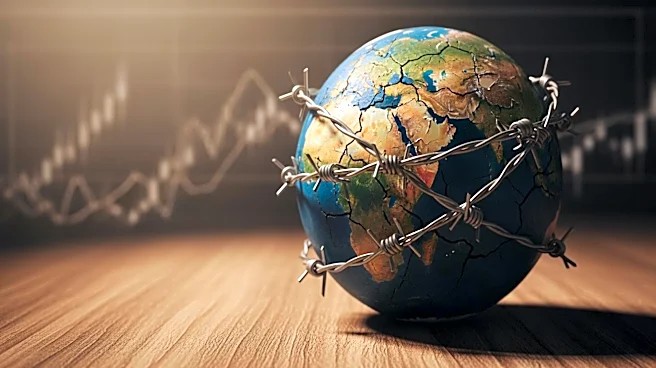
The situation emphasizes the ongoing importance of globalization in shaping economic realities, even for large economies like the U.S. The reliance on global supply chains for energy and other commodities means that disruptions in one part of the world can have immediate and significant impacts elsewhere. This interconnectedness challenges the notion of complete energy independence and highlights the complexities of global trade. For U.S. industries and consumers, this means continued exposure to global market fluctuations, which can affect everything from fuel prices to the cost of goods. The situation also underscores the need for strategic investments in diverse energy sources and resilient supply chains to mitigate such vulnerabilities.
What's Next?
In response to the current disruptions, there may be increased calls for the U.S. to further diversify its energy sources and enhance its supply chain resilience. This could involve significant investments in infrastructure, such as pipelines and refineries, and a reevaluation of trade policies to ensure more stable access to essential commodities. Additionally, the situation may prompt discussions among policymakers and industry leaders about the balance between globalization and national economic security, potentially influencing future economic and foreign policy decisions.
Beyond the Headlines
The crisis in the Persian Gulf also raises broader questions about the sustainability of current global trade practices and the ethical implications of dependency on certain regions for critical resources. It highlights the need for a more equitable global economic system that considers the environmental and social impacts of trade. Furthermore, the situation may lead to increased scrutiny of geopolitical tensions and their influence on global markets, prompting a reevaluation of international relations and cooperation strategies.