




What's Happening?
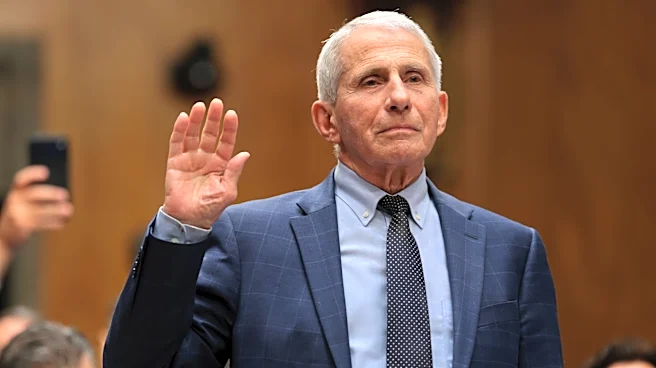
Dr. David Morens, a former senior advisor to Dr. Anthony Fauci, has pleaded guilty to a conspiracy charge related to evading open records requests concerning coronavirus research grants. The Department of Justice (DOJ) announced that Morens conspired
to defraud the United States by intentionally hiding communications from public view during the COVID-19 outbreak. This scheme involved using his personal Gmail account instead of his official NIH email, anticipating that his communications would be subject to Freedom of Information Act (FOIA) requests. Morens served as a senior advisor to Fauci, the former director of the National Institute of Allergy and Infectious Diseases (NIAID), from 2006 to 2022. The plea comes after the National Institutes of Health (NIH) terminated a grant, "Understanding the Risk of Bat Coronavirus Emergence," due to allegations that the COVID-19 virus originated from the Wuhan Institute of Virology (WIV). The NIAID had awarded this grant to a company, which then made a subaward to the WIV. Morens also admitted to colluding with a co-conspirator to pay illegal gratuities, including receiving wine in exchange for authoring a scientific commentary advocating for the natural origins of COVID-19.
Why It's Important?
This guilty plea is significant as it confirms the deliberate efforts by a high-ranking official to circumvent transparency laws during a critical public health crisis. The evasion of FOIA requests prevented public scrutiny of communications related to the origins of COVID-19 and the allocation of research grants. This case highlights concerns about accountability within federal agencies and the potential for officials to manipulate information. The involvement of a co-conspirator, potentially former EcoHealth Alliance President Peter Daszak, and the alleged efforts to downplay the lab leak theory, raise questions about the integrity of scientific discourse and the influence of personal interests on public health narratives. The Department of Health and Human Services had previously cut federal funding and debarred EcoHealth and Daszak for reckless coronavirus research. This development underscores the ongoing debate and investigations into the origins of the pandemic and the actions of key figures in the U.S. response.
What's Next?
Dr. David Morens faces a maximum of five years in prison for the conspiracy charge, with a federal judge expected to determine his sentence at a later date. The case was prosecuted by the U.S. Attorney’s Office for the District of Maryland. This guilty plea may lead to further scrutiny of other individuals involved in the alleged scheme and could prompt additional investigations into the handling of coronavirus research grants and related communications. The confirmation of deliberate efforts to evade transparency could also fuel calls for stricter oversight and accountability measures within federal scientific and health agencies. The ongoing public and congressional interest in the origins of COVID-19 and the actions of officials like Dr. Fauci and his associates suggests that this case will continue to be a point of discussion and potential further action.
Beyond the Headlines
The implications of Morens' guilty plea extend beyond the immediate legal consequences, touching upon broader issues of scientific integrity, government transparency, and public trust. The deliberate use of personal email accounts to avoid FOIA requests undermines the public's right to information and can erode confidence in government institutions. This case also highlights the ethical dilemmas faced by scientists and public health officials when their work becomes entangled with political and financial interests. The alleged efforts to influence scientific narratives, such as advocating for the natural origins of COVID-19 in exchange for gratuities, raise serious questions about the objectivity of scientific publications and the potential for conflicts of interest. This incident could lead to a re-evaluation of policies governing communication and record-keeping within federal agencies, particularly those involved in sensitive research and public health matters, to ensure greater transparency and accountability in the future.