




What's Happening?
Glenn Beck, a prominent radio host, has issued an urgent warning, suggesting that governments in Europe and the United States may be anticipating a major international crisis. Beck stated on X (formerly Twitter) on October 28 that the last time he felt
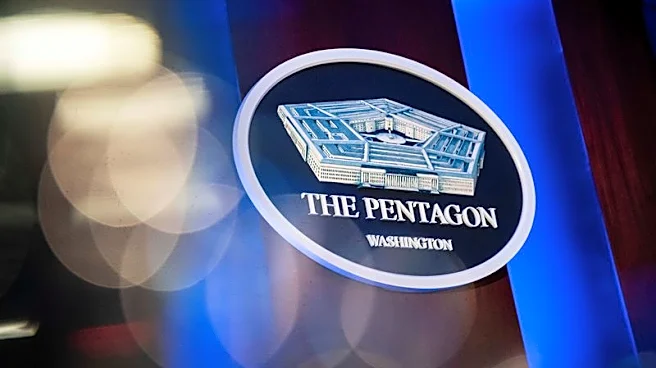
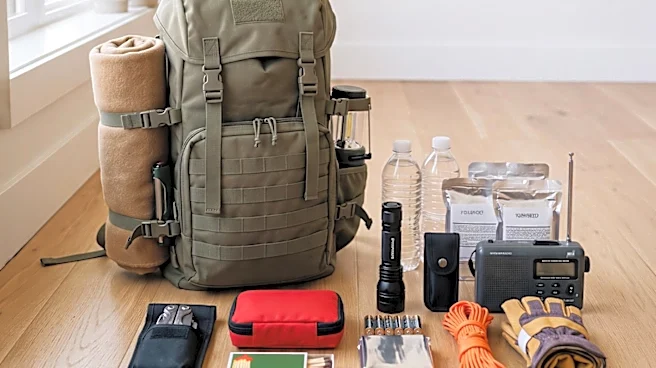
such an urge to warn his audience was in 2007, prior to the 2008 financial crash. His concerns stem from two primary developments: European governments advising households to stockpile emergency supplies and the Pentagon's new FORTRESS initiative. The United Kingdom, for instance, launched its 'Be Ready' campaign on October 22, encouraging citizens to prepare three days' worth of drinking water, nonperishable food, cash, and other essentials. Simultaneously, the Pentagon's FORTRESS initiative aims to ensure major U.S. military installations can sustain essential operations independently for at least 90 days, covering electricity, water, fuel, and communications. While British officials describe their campaign as routine emergency preparedness and the Pentagon frames FORTRESS as a way to maintain military operations during potential crises, Beck interprets these combined efforts as signs of an impending 'massive global conflict.'
Why It's Important?
Glenn Beck's warning, drawing parallels to his pre-2008 financial crisis predictions, carries significant weight for his audience and could influence public perception regarding national and international stability. The convergence of civilian preparedness campaigns in Europe and the Pentagon's FORTRESS initiative highlights a growing emphasis on resilience and self-sufficiency in the face of potential disruptions. For U.S. citizens, this could translate into increased awareness and potentially a shift in personal preparedness habits, impacting consumer markets for emergency supplies. The Pentagon's focus on military installation independence underscores a strategic concern about the vulnerability of civilian infrastructure to physical and cyber disruptions, which could lead to increased investment in secure energy generation, supply-chain resilience, and strategic reserves. This could create new opportunities for defense contractors and technology firms specializing in these areas. Conversely, if Beck's interpretation of an impending 'massive global conflict' gains traction, it could contribute to heightened anxiety and potentially influence political discourse and foreign policy decisions, with implications for international relations and global trade.
What's Next?
Following Glenn Beck's warning, it is likely that discussions around emergency preparedness, both at the individual and governmental levels, will intensify. His audience may be prompted to review or enhance their personal emergency supplies, potentially leading to a short-term increase in demand for related goods. For the U.S. military, the FORTRESS initiative will continue to be implemented, with ongoing efforts to bolster the independence and resilience of major installations. This will involve further investment in infrastructure, technology, and training to ensure sustained operations during crises. Political leaders and defense officials may face increased scrutiny regarding the rationale behind such preparedness measures, potentially leading to public statements clarifying the nature of these initiatives. The broader implications of Beck's 'massive global conflict' prediction could also fuel debates on national security, defense spending, and international alliances, influencing policy decisions in the coming months. The public will likely monitor official communications from both European and U.S. governments for further insights into the perceived threats and preparedness strategies.
Beyond the Headlines
Beyond the immediate concerns of emergency preparedness, Glenn Beck's warning touches upon deeper societal anxieties regarding global stability and the reliability of essential services. The emphasis on individual and military self-sufficiency reflects a growing distrust in the ability of existing systems to withstand major shocks, whether from natural disasters, cyberattacks, or geopolitical conflicts. This trend could foster a more self-reliant culture, but also potentially lead to increased social fragmentation if communities feel isolated in their preparedness efforts. Ethically, the balance between informing the public about potential threats and avoiding undue alarm is a delicate one, and Beck's pronouncements will likely spark debate on the responsibility of media figures in shaping public perception during uncertain times. The Pentagon's FORTRESS initiative, while pragmatic, also highlights a potential long-term shift in military strategy, moving towards greater operational autonomy and reduced reliance on civilian infrastructure, which could have significant implications for civil-military relations and resource allocation in the future. This could also lead to a re-evaluation of critical infrastructure vulnerabilities across various sectors, prompting broader national security discussions.