







What's Happening?
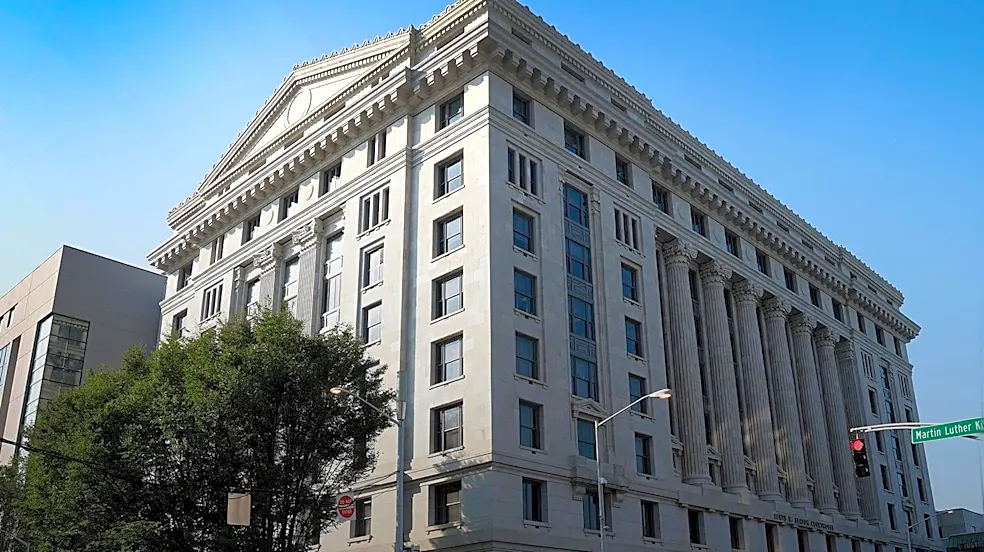
The Atlanta City Council has voted 8-7 to authorize Mayor Andre Dickens to proceed with negotiations for the sale of the city's jail to Fulton County. This decision, made late Monday, allows the mayor to explore the transaction, though specific details
of the deal still need to be finalized between the city and the county. Fulton County Sheriff Patrick Labat has consistently advocated for acquiring the Atlanta City Detention Center, which has approximately 1,300 beds. Sheriff Labat believes this acquisition would alleviate the severe and dangerous conditions currently present at the county jail located on Rice Street. He also anticipates that such a move could ultimately lead to the termination of the federal consent decree imposed on the county jail. The lease agreement for the approximately 700 beds the county currently utilizes at the city facility was set to expire in early December. Councilman Wayne Martin supported the measure, citing potential benefits for individuals in custody, while Senior Councilman Michael Julian Bond opposed it, suggesting the city should focus on broader criminal justice reform rather than a quick sale.
Why It's Important?
This decision carries significant implications for criminal justice and public safety in Atlanta and Fulton County. The potential sale of the Atlanta City Detention Center is primarily driven by the urgent need to address overcrowding and hazardous conditions at the Fulton County Jail, which is currently under a federal consent decree. If the sale is successfully negotiated and completed, it could provide much-needed capacity and resources to improve the living conditions for inmates and potentially enhance the overall management of the county's correctional facilities. For the city of Atlanta, the sale could generate revenue, which Councilman Bond estimated at $68 million, though he argued against prioritizing this over systemic reform. The outcome will directly impact the welfare of incarcerated individuals and could influence future policy decisions regarding jail capacity and criminal justice reform efforts in the region. The debate also highlights differing philosophies within the city council regarding the best approach to addressing complex issues within the justice system.
What's Next?
Following the City Council's narrow approval, Mayor Andre Dickens will now engage in detailed negotiations with Fulton County officials, including Sheriff Patrick Labat, to iron out the specifics of the jail sale. Both parties will need to agree on terms, including the sale price, operational transfer, and any conditions related to the facility's future use. The Sheriff's office has not yet commented on the council's decision, but their long-standing interest suggests they will be keen to move forward. The expiring lease for the county's use of beds at the city facility adds urgency to these discussions. Key stakeholders, including civil rights advocates and community groups, will likely monitor the negotiations closely to ensure that any agreement prioritizes humane conditions and effective criminal justice practices. The final deal will require further approval, potentially from both the City Council and the Fulton County Commission, before the sale can be finalized.
Beyond the Headlines
The proposed sale of the Atlanta City Detention Center transcends a simple property transaction, touching upon deeper societal issues related to criminal justice, urban development, and inter-governmental cooperation. The underlying problem of dangerous conditions at the Fulton County Jail, leading to a federal consent decree, underscores systemic challenges within the correctional system, including overcrowding and understaffing. A successful sale could represent a pragmatic solution to an immediate crisis, but it also raises questions about long-term strategies for criminal justice reform. Critics, like Senior Councilman Michael Julian Bond, suggest that a sale might be a short-term fix that sidesteps the need for more comprehensive changes to the criminal justice system. This situation highlights the ongoing tension between immediate operational needs and broader, more transformative policy goals in addressing complex social issues within major U.S. cities.