






What's Happening?
Research indicates that yeast protein plays a significant role in enhancing gut health and mitigating age-related issues. The gut microbiota, often referred to as the 'second brain,' is crucial for overall health, with imbalances linked to various chronic
diseases such as liver damage, cardiovascular issues, and neurological conditions like autism, depression, and Alzheimer's. A 2022 study from Huazhong University of Science and Technology found that yeast protein supplementation not only improved muscle loss in aging rats but also alleviated gut deterioration. It regulated the imbalanced gut microecology by increasing the alpha and beta diversity of gut microbiota and the Firmicutes/Bacteroidetes ratio. These changes were correlated with glycan biosynthesis, amino acid, and lipid metabolism, linking directly to the muscle aging process. Dr. Yuyu Zhang of Beijing Technology and Business University also highlighted yeast protein's role in maintaining the intestinal epithelial barrier and promoting beneficial bacteria, thereby enhancing nutrient absorption and intestinal immune function.
Why It's Important?
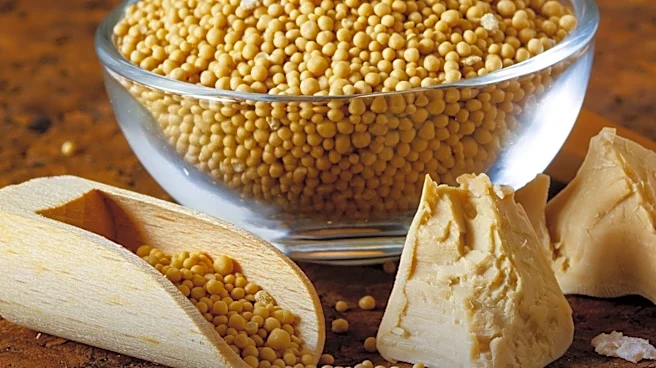
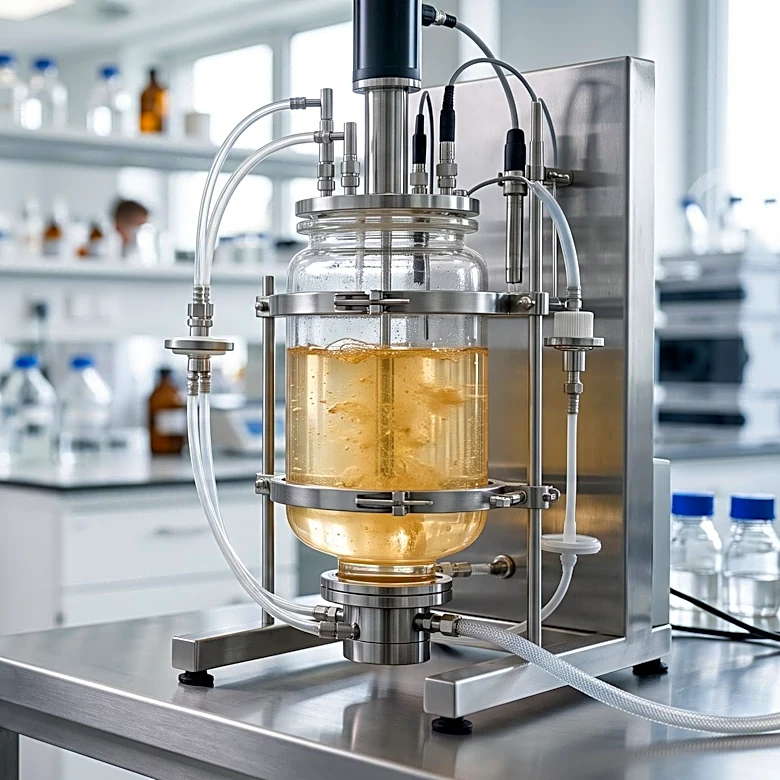
The findings on yeast protein's benefits for gut health are significant for public health and the nutritional supplement industry. As consumers increasingly recognize the link between gut health and overall well-being, including immune function and mental health, demand for effective solutions is growing. Yeast protein offers a sustainable and high-quality protein source, with a short and efficient production cycle that is not dependent on seasonal or climatic factors. Its nutritional value, including a balanced amino acid profile and high digestibility, makes it an attractive alternative to traditional protein sources. This research could lead to the development of new functional foods and supplements aimed at improving gut health, preventing chronic diseases, and supporting healthy aging, potentially benefiting a wide demographic, particularly the aging population susceptible to muscle loss and gut dysbiosis.
What's Next?
The growing recognition of yeast protein's benefits suggests increased integration into various food products and supplements. Companies like Angel Yeast are already developing yeast protein products, such as AngeoPro, for applications in sports nutrition, healthy snacks, and bakery foods. Future developments may include more targeted formulations designed to address specific gut health issues or age-related conditions. Further clinical trials in humans will be crucial to validate the findings observed in animal studies and to establish recommended dosages and long-term effects. As consumer awareness of gut-brain axis and overall gut health continues to rise, the market for yeast protein and similar ingredients is expected to expand, driving innovation in the functional food sector and offering new avenues for dietary interventions to promote health and prevent disease.
Beyond the Headlines
The research on yeast protein underscores a broader shift in understanding health, moving beyond symptom management to focusing on foundational elements like the gut microbiome. This highlights the interconnectedness of bodily systems, where gut health influences muscle integrity, cognitive function, and overall metabolic processes. The emphasis on sustainable and environmentally friendly protein sources like yeast also reflects a growing consumer and industry demand for ethical and ecological food production. This trend could reshape dietary recommendations and food manufacturing practices, promoting a more holistic approach to nutrition and health. Furthermore, the potential of yeast protein to address multiple health concerns simultaneously—from muscle wasting to neurological health—positions it as a versatile ingredient that could contribute to more comprehensive wellness strategies, moving beyond single-nutrient approaches to integrated health solutions.