






What's Happening?
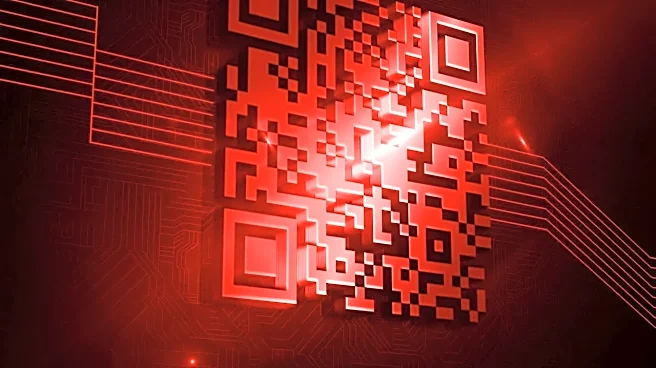
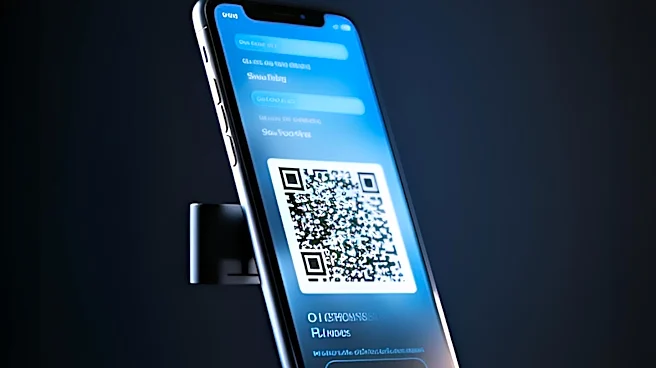
Cybercriminals are increasingly using QR codes embedded in emails to conduct phishing attacks, a technique known as 'quishing.' This method involves sending emails that appear to be legitimate business communications, but instead of containing traditional
clickable links, they feature a QR code. When a user scans this QR code with a smartphone, they are redirected to fraudulent websites designed to steal sensitive information such as login credentials, personal data, or financial details. This approach exploits a loophole in many secure email gateways, which are often designed to analyze text-based links and attachments but may not have the capability to decode and evaluate URLs hidden within images. Attackers leverage social engineering tactics, creating a sense of urgency or trust to prompt victims to scan the QR code without proper scrutiny. The malicious websites often mimic legitimate platforms like Microsoft 365, banking services, or cloud applications, making it difficult for users to distinguish between genuine and fraudulent sites. This cross-device interaction, where an email is viewed on a computer and the QR code scanned with a smartphone, further complicates detection by organizational security systems.
Why It's Important?
The rise of QR code phishing poses a significant threat to U.S. businesses and individuals, impacting cybersecurity, data privacy, and financial security. For organizations, quishing can lead to credential theft, account compromise, identity theft, and financial fraud, potentially escalating into larger cyberattacks like ransomware or data exfiltration. The ability of QR codes to bypass traditional email security measures means that existing defenses may be insufficient, requiring companies to invest in more advanced image analysis capabilities for their email gateways. This shift in attack methodology highlights the need for enhanced security awareness training for employees, emphasizing the risks associated with scanning unknown QR codes, especially those requesting sensitive information. The financial sector, cloud service providers, and any industry handling sensitive customer data are particularly vulnerable. The exploitation of the gap between email security controls and mobile device browsing activity creates a complex challenge for cybersecurity teams, as it moves part of the phishing interaction outside the protected email environment, making it harder to monitor and mitigate.
What's Next?
In response to the growing threat of QR code phishing, cybersecurity firms are expected to enhance their email security solutions with native image analysis capabilities. These advancements will allow security gateways to detect, decode, and evaluate QR codes embedded in emails, identifying malicious destination URLs before users can scan them. Organizations will likely increase their focus on security awareness training, educating employees about the dangers of quishing and best practices for verifying QR codes. This training will emphasize that a QR code should be treated with the same caution as any other link, especially when it prompts for credentials or personal information. Furthermore, there may be a push for broader adoption of multi-factor authentication (MFA) and Zero Trust policies to add layers of security, even if credentials are compromised. Regulatory bodies might also consider issuing updated guidelines or recommendations for businesses to address this evolving phishing technique, potentially leading to new compliance requirements for data protection and cybersecurity.
Beyond the Headlines
The proliferation of QR code phishing underscores a deeper trend in cybercrime: the continuous adaptation of attack vectors to exploit both technological blind spots and human psychology. This method leverages the convenience and ubiquity of QR codes, which have become an integral part of daily life for payments, information access, and authentication. The inherent trust users place in these codes, often viewing them as harmless shortcuts, makes them an effective tool for social engineering. This highlights a broader societal challenge in digital literacy and critical thinking in the face of evolving online threats. The cross-device nature of quishing also points to the increasing complexity of securing interconnected digital environments, where interactions can seamlessly transition between different devices and networks, each with varying levels of security. This necessitates a holistic approach to cybersecurity that extends beyond traditional perimeter defenses, encompassing user behavior, device security, and continuous threat intelligence to protect against sophisticated, multi-stage attacks.