




What's Happening?
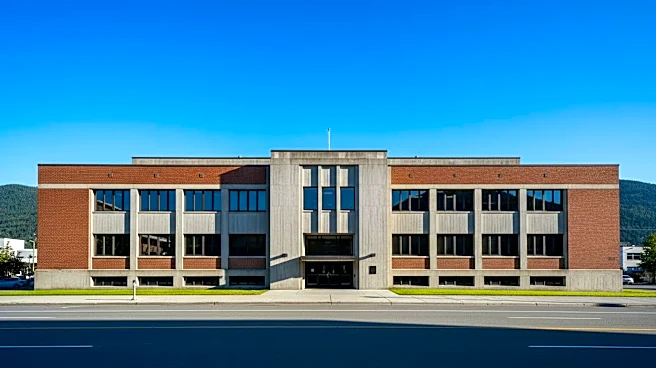
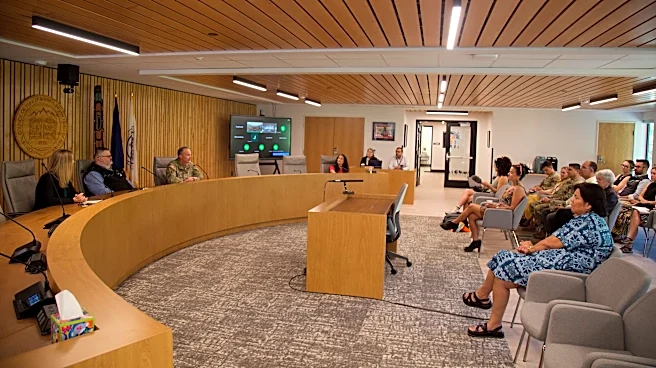
The Juneau Assembly has approved the sale of the city's City Hall building to the Sealaska Heritage Institute (SHI) for $1.5 million. This decision, made by a 6-3 vote, allows SHI, an Alaska Native nonprofit organization, to acquire the 75-year-old building.
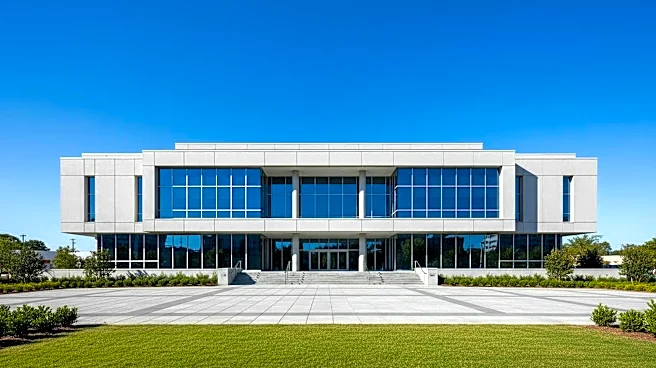
SHI plans to demolish the existing structure and construct a new $40 million, three-story complex. This new facility is envisioned to include a glass-blowing studio, a retail gallery for high-end art, and other cultural facilities, aiming to benefit the community and promote cultural diversity. The current City Hall, originally built as a fire station in 1951 and renovated in the 1970s, has been deemed insufficient for city staff needs, leading the Assembly to seek new premises for several years. The city is relocating its programs and offices to the Michael J. Burns Building, a project expected to cost approximately $20 million and be completed by next May.
Why It's Important?
This sale is significant for Juneau as it represents a substantial urban redevelopment project and a shift in the city's real estate strategy. The decision to sell to SHI for $1.5 million, rather than pursuing an open auction with a minimum bid of $2.5 million, has sparked debate regarding the fair value for city assets and the long-term financial implications. Supporters of the sale highlight SHI's positive impact on downtown Juneau through previous development projects, such as the Walter Soboleff Building, which replaced a dilapidated site. They argue that SHI's new complex will be a "crown jewel" that enhances cultural diversity and community well-being. However, opponents express concerns about the city potentially losing out on higher revenue from an auction and the removal of another property from the tax rolls, as SHI, as a nonprofit, is largely exempt from property taxes. This transaction underscores the ongoing challenge for municipalities to balance immediate financial gains with broader community development goals and cultural preservation.
What's Next?
Following the Assembly's approval, Sealaska Heritage Institute's Chief Operating Officer, Lee Kadinger, will consult with the city manager's office to determine the next steps for demolishing the old City Hall building and commencing construction of the new $40 million complex. Kadinger estimates that fundraising for the new building will take approximately four years, with construction then lasting about 18 months. The fate of the 61-foot-long "Raven discovering mankind in a clamshell" mural on the exterior wall of the current City Hall, facing Marine Park, is also a point of discussion. Kadinger indicated that SHI is exploring various methods to preserve the mural's memory, noting its current defaced condition. Meanwhile, the city will continue with its plans to relocate City Hall programs and offices to the Michael J. Burns Building, which is slated for completion by next May. The financial implications of the sale, particularly concerning the city's budget deficit, will likely remain a topic of discussion among Assembly members and residents.
Beyond the Headlines
The sale of Juneau's City Hall to the Sealaska Heritage Institute delves into deeper implications beyond a simple real estate transaction. It highlights the complex interplay between urban development, cultural preservation, and economic policy in a U.S. city. The debate over selling to a nonprofit at a lower price versus an open auction for maximum financial return reflects differing philosophies on public asset management—whether to prioritize immediate revenue or long-term community and cultural benefits. The project's emphasis on a glass-blowing studio and high-end art gallery suggests a strategic effort to enhance Juneau's cultural tourism and artistic economy, potentially drawing new visitors and residents. Furthermore, the discussion around the mural's preservation underscores the challenge of balancing progress with the retention of historical and artistic elements, prompting questions about how cities can honor their past while building for the future. This decision could set a precedent for how Juneau, and potentially other cities, approach the disposition of public property when cultural institutions are involved.